
 2 days ago
29
2 days ago
29
Lindsay Clancy broke down crying in court Wednesday as jurors heard graphic testimony about the injuries suffered by her three children, prompting multiple courtroom recesses and an emotional warning from the judge.
The testimony marked a stark shift in Clancy's murder trial, which has spent much of the past several days examining her mental health, psychiatric treatment and the defense's claim that she was suffering from postpartum psychosis when her children died.
Jurors also heard from a mental health counselor who acknowledged she had not reviewed notes from another provider treating Clancy, while a Massachusetts State Police sergeant testified that there was no investigative basis for a theory that a psychologist had prompted Clancy to say she heard voices.
Here are the biggest moments from Wednesday's testimony.
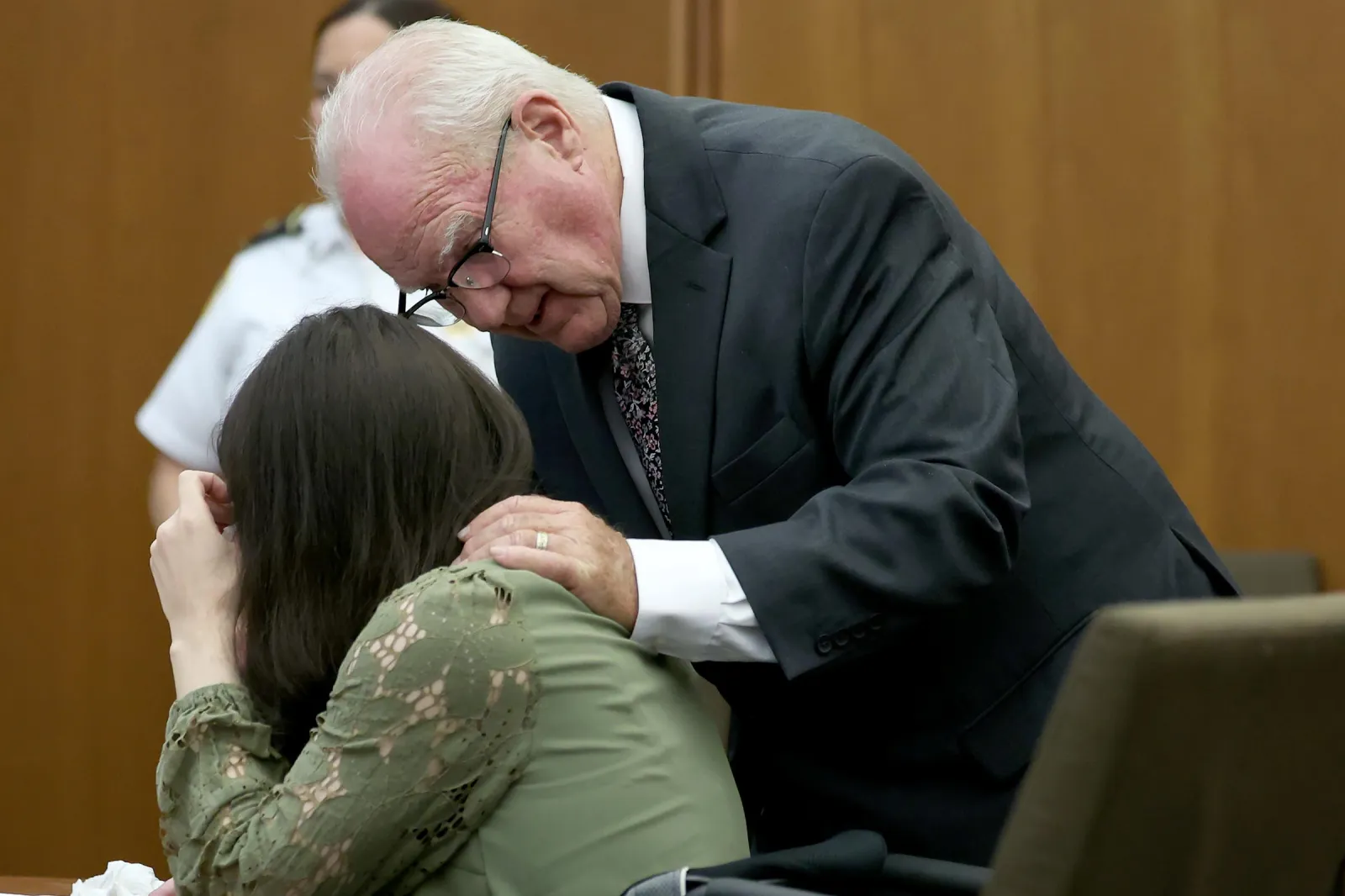
1. Lindsay Clancy Breaks Down During Testimony About Her Children's Injuries
The most emotional moment of Wednesday's proceedings came after medical examiner Dr. Renee Stonebridge took the stand and began describing the injuries found during the children's autopsies.
Clancy began crying as Stonebridge testified. The judge eventually called a recess after Clancy was heard sobbing loudly with her head in her hands.
After the courtroom returned, Judge William Sullivan reminded jurors that they could not allow their emotional reactions to the testimony to influence their verdict.
“Your verdict in this case is going to have to be based solely on the evidence and it cannot be based on sympathy, or anger, or passion or prejudice,” Sullivan told the jury.
But the emotional reaction continued.
Medical examiner Dr. Barbara Olsen subsequently testified about Cora's injuries, and Clancy began crying again. At one point she could be heard saying, “I can't do it.”
The judge again sent the jury out of the courtroom. When testimony resumed, Clancy continued sobbing and put her head down on the table.
Defense attorney Kevin Reddington also objected during the testimony, saying, “It's obvious what she wants.”
The court ultimately ended for the day at around 4 p.m.
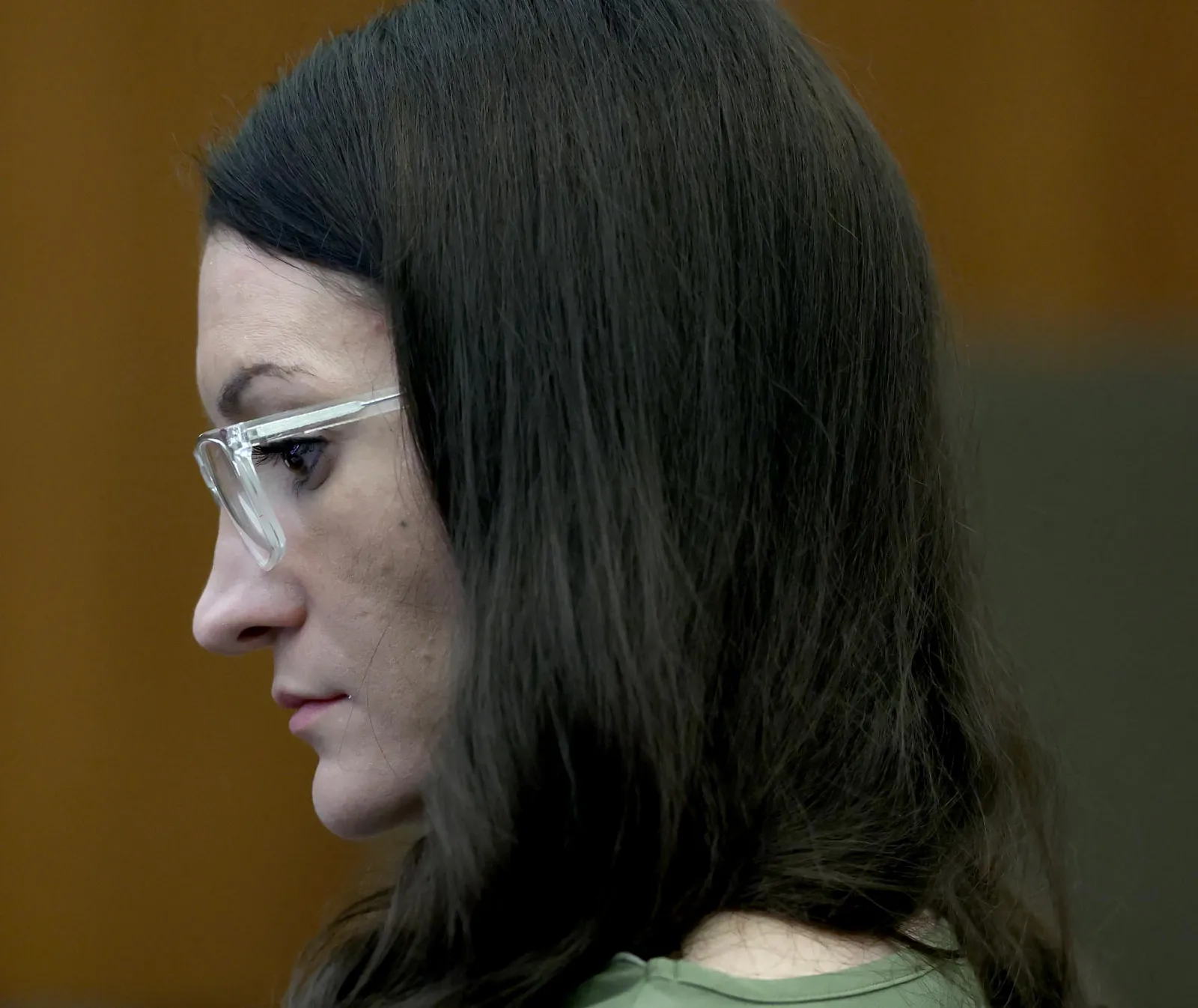
2. Medical Examiner Describes Fatal Injuries to Her Children
Stonebridge testified about the examinations of all three children, with the testimony focusing on physical evidence consistent with strangulation.
In Cora's case, Stonebridge testified that damage to the child's eyes was consistent with strangulation. Dawson also had hemorrhaging in his eyes, according to testimony.
The testimony was part of the prosecution's presentation of forensic evidence concerning how the children died.
Clancy is accused of strangling 5-year-old Cora, 3-year-old Dawson and 8-month-old Callan with exercise bands at the family's Duxbury, Massachusetts, home on January 24, 2023. She has pleaded not guilty.
The defense does not dispute that Clancy killed the children. Instead, her attorney has argued that she should not be held criminally responsible because she was suffering from severe mental illness, including postpartum psychosis, at the time.
Stonebridge also testified about the injuries suffered by Callan, the youngest of the three children.
The medical examiner said Callan suffered a brain injury showing that insufficient oxygen and blood were reaching his brain, along with brain swelling.
Stonebridge also told jurors that when the brain is deprived of oxygen for approximately six to eight minutes, brain cells begin to die and the damage cannot be reversed.
The testimony was particularly difficult for Clancy, who was visibly crying as the medical examiner described the autopsy findings.
The detailed forensic testimony gives jurors evidence about the physical consequences of the killings as they weigh the central legal question in the case: whether Clancy was criminally responsible for her actions.
3. Therapist Had Not Read Another Provider's Notes
Under cross-examination, Latiesha Dukes, a licensed mental health counselor (LMHC), acknowledged that she had not reviewed psychiatric nurse practitioner Rebecca Jollotta's notes before treating Clancy—even though both providers were working with her through the same perinatal behavioral health program at South Shore Health in Massachusetts
Dukes said she wanted to approach Clancy's treatment with “new eyes.”
The admission became one of the more significant exchanges of the morning because Jollotta had testified Tuesday about symptoms that were more concerning than those Dukes described.
Jollotta testified that Clancy had reported going without sleep for extended periods, experiencing racing and intrusive thoughts and feeling increasingly desperate for help. She had also considered whether Clancy might have bipolar disorder.
Dukes said she was unaware that Clancy had gone to an emergency department for help on December 15.
She also acknowledged that Clancy had told her she had lost 10 pounds in a month and was crying while describing anxiety and numbness.
The defense is using the differing assessments to argue that Clancy's providers did not have a complete picture of her rapidly changing mental state.
4. Trooper Admits There Was No Investigative Basis for 'Voices' Theory
Another significant exchange came during testimony from Massachusetts State Police Sergeant Dan Lawlor, who was questioned about what investigators knew about a conversation between Clancy and psychologist Paul Zeizel after the killings.
Zeizel treated Clancy while she was hospitalized following the deaths of her children. Clancy's statements at the time about hearing voices have become a significant point of dispute at trial, with the defense arguing they support its claim that she was experiencing psychosis. Prosecutors, meanwhile, have challenged the credibility and timing of those statements, including whether the claim emerged only after Clancy came into contact with Zeizel.
During Wednesday's questioning, defense attorney Kevin Reddington questioned Sergeant Lawlor about a police investigator's theory that Zeizel may have prompted Clancy to tell her husband, Patrick, that she had heard voices.
But Lawlor made clear that he had not personally witnessed the conversation between Zeizel and Clancy.
Instead, Lawlor testified that he learned about the theory from lead investigator Josh McKelligan. When Reddington asked whether there was an investigative basis for the idea that Zeizel had prompted Clancy to make the claim, Lawlor agreed there was not.
“That's McKelligan's speculation,” Lawlor said, according to testimony.
Lawlor also confirmed that he had no firsthand knowledge of what took place inside the hospital room while Zeizel was with Clancy.
5. Clancy Had Reported Suicidal Thoughts But No Plan
Dukes also testified about Clancy's suicidal thoughts in December 2022.
She said Clancy reported thoughts of wanting to die and not wanting to be alive, but did not have a specific suicide plan. Dukes testified that if Clancy had told her she had a plan, she would have sought a higher level of crisis support.
After one appointment, Dukes recommended partial hospitalization. But by December 19, she believed Clancy appeared to be improving, based partly on her increased engagement, exercise and ability to enjoy time with family.
That testimony gives both sides material for their respective arguments.
The defense can point to the repeated suicidal thoughts and recommendation for a higher level of care as evidence of a deteriorating mental state.
Prosecutors can point to the absence of a suicide plan and Dukes' assessment that Clancy appeared to be improving as evidence that she remained capable of communicating and functioning in the weeks before the killings.
What Happens Next
Wednesday's testimony brought the trial into a particularly emotional phase, with jurors hearing detailed forensic evidence about the deaths after days of testimony focused largely on Clancy's psychiatric history.
Clancy's defense is seeking to establish that she was suffering from postpartum psychosis and other severe mental-health problems when her children died.
Prosecutors have argued that Clancy is criminally responsible for the killings and have challenged the defense's portrayal of her mental state.
The trial is expected to continue with additional testimony about Clancy's mental health, the events surrounding the children's deaths and the evidence prosecutors say demonstrates her state of mind.
If convicted of first-degree murder, Clancy faces life in prison without parole. If jurors find her not criminally responsible, she would instead be committed to a state psychiatric hospital.
This story has been updated with the latest testimony from Wednesday's proceedings.
Contact Newsweek editors on this story: Samantha Beech and Gray R. Thomas