
 1 hour ago
17
1 hour ago
17
Tiktok 'fibermaxxing' trend takes over as internet turns to gut health
Gastroenterologist Dr. Will Bulsiewicz joins 'Fox & Friends' on Wellness Wednesday to analyze the viral 'fibermaxxing' TikTok trend. Bulsiewicz reveals that 95% of Americans are fiber deficient, falling short of recommended daily targets. He warns viewers to increase their dietary fiber intake slowly to prevent gut health issues while balancing fiber with protein.
NEWYou can now listen to Fox News articles!
People who suffer from mild constipation may find some relief with a simple daily vinegar drink, new research suggests, even as experts urge more study and share cautions.
Constipation is a condition in which a person generally has fewer than three bowel movements a week, according to the National Institutes of Health (NIH). Stools may also be hard, dry or lumpy and difficult or painful to pass.
The NIH says adults should get 22 to 34 grams of fiber a day, depending on age and sex — though fewer than 10% of women and about 3% of men reach the recommended daily intake, according to federal dietary guidelines.
THE 8 HEALTHIEST BEANS YOU SHOULD BE EATING MORE OFTEN, ACCORDING TO NUTRITION EXPERT
Left untreated, chronic constipation can lead to hemorrhoids and anal fissures and, in severe cases, complications such as fecal impaction that may require emergency care.
The NIH recommends changes to diet and lifestyle, such as increasing fiber intake with foods including legumes, whole grains, fruits, vegetables, nuts and seeds, as a first step in treating constipation — along with over-the-counter medicines if needed.

A new study suggests drinking a vinegar beverage daily may help increase bowel movements in adults with mild constipation. (iStock)
Now, a new study has found that consuming vinegar in liquid form may also increase bowel movements.
Published online in the journal Scientific Reports by Japanese researchers, the study reported that eating vinegar-based dishes more often was positively associated with better defecation status, though it remained unclear how much vinegar and its potentially active ingredient, acetic acid, were necessary to be effective.
"Given that acetic acid may play a key role in the effects of vinegar and that its intake can be strictly controlled, we conducted a randomized controlled trial in which healthy adults with mild constipation (defecation frequency of 3–5 times per week) consumed a vinegar beverage instead of vinegar-based dishes to investigate the effects of vinegar on defecation," the researchers wrote.
CLICK HERE FOR MORE LIFESTYLE NEWS
The researchers randomly assigned a total of 44 participants — healthy Japanese adults between 20 and 69 years old — to consume either a beverage made with vinegar or a placebo drink at breakfast for four weeks.
The participants reported to have an average of three to five bowel movements a week, which the researchers classified as mild constipation.
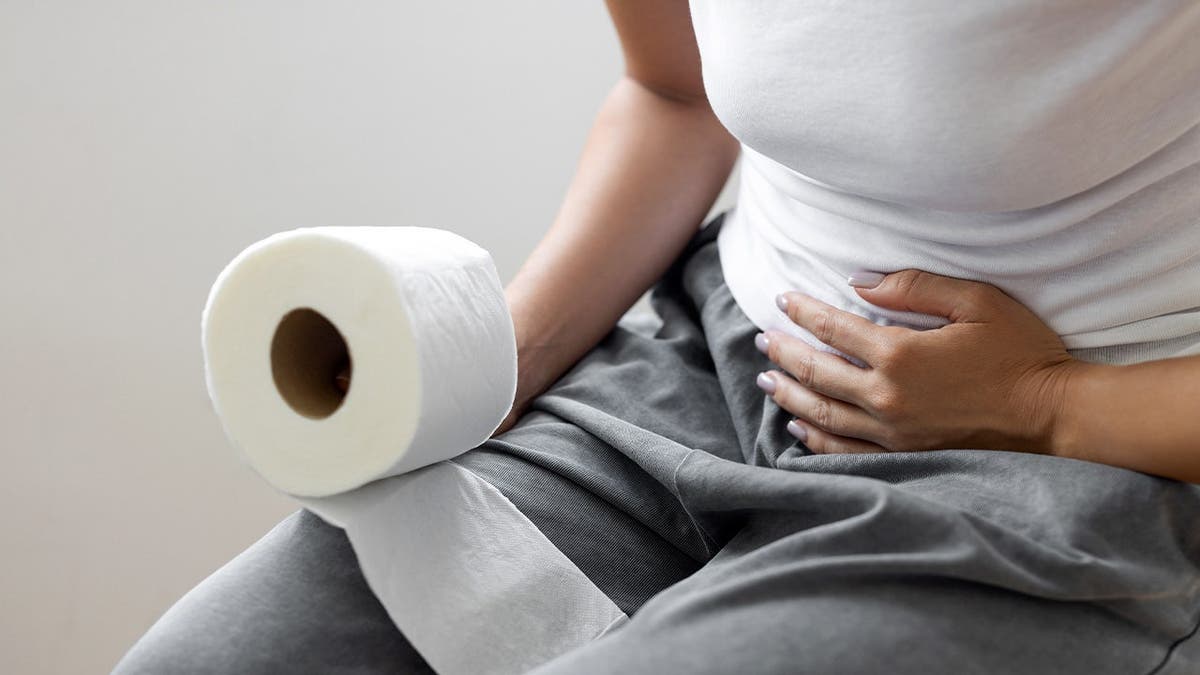
Constipation commonly involves fewer than three bowel movements per week, along with stools that can be hard, dry or difficult to pass. (iStock)
The vinegar drink was made by mixing brewed vinegar with water, providing 750 milligrams of acetic acid in each 200-milliliter serving. The placebo used a small amount of citric acid instead of vinegar to give it a similar tart taste, so participants couldn't tell which drink they had.
Both drinks were sweetened with sucralose and flavored with apple.
"These findings … [support] a potential dietary approach for maintaining bowel health."
During the first week, the vinegar group showed trends toward improvement in bowel-movement frequency, number of defecation days and stool volume compared with the placebo group.
TEST YOURSELF WITH OUR LATEST LIFESTYLE QUIZ
By week four, defecation frequency was "significantly higher" in the vinegar group than in the placebo group — about 1.2 more bowel movements a week — the study concluded.
"These findings suggest that daily consumption of vinegar beverages may improve defecation status in healthy adults with mild constipation, supporting a potential dietary approach for maintaining bowel health," the researchers wrote.
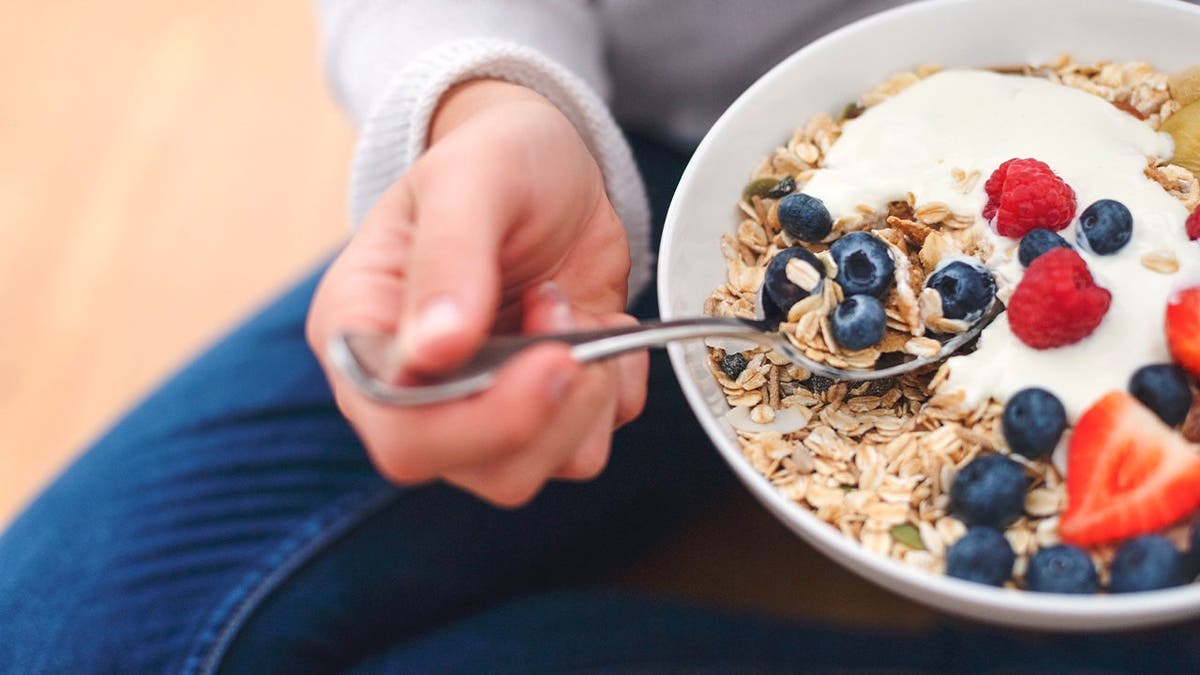
Dietary and lifestyle changes, including getting enough fiber and fluids, are commonly recommended as first steps for managing constipation. (iStock)
Both groups experienced gradual improvement over the course of the study — and the researchers suggested that some participants may have been habitually underhydrated, so the added daily drink may have played a part in relieving their constipation.
"They did not study typical apple cider vinegar supplements or concentrated vinegar shots."
They noted, however, that during the first week, participants in the vinegar group showed signs of greater improvement than those in the placebo group, implying that vinegar or acetic acid may have had an additional early benefit.
Limitations of the study
The study is intriguing and "a promising clue rather than proof that vinegar treats constipation," Florida-based registered dietitian Jamie Lee McIntyre, who was not involved in the study, told Fox News Digital.
"I wouldn’t leap from this study to recommending apple cider vinegar shots for constipation," she said. "The researchers used a standardized vinegar beverage containing a specific amount of acetic acid. They did not study typical apple cider vinegar supplements or concentrated vinegar shots."
CLICK HERE TO SIGN UP FOR OUR LIFESTYLE NEWSLETTER
Mizkan Holdings Co., Ltd., a Japanese food company that manufactures vinegar, funded the study; three of the researchers were employed by Mizkan.
The scientists further noted that their findings "should be regarded as preliminary and require more confirmation in further studies."

Drinking more water alone may not necessarily ease constipation, according to experts, who say adequate hydration is more important than simply increasing fluid intake. (iStock)
"For now, I'd stick with the constipation strategies we know have a stronger evidence base: adequate fiber and fluids, regular physical activity and a consistent bathroom routine," McIntyre said.
"Vinegar can certainly be part of a meal, or serve as a wonderful base to a dressing or sauce, but I wouldn't consider it a constipation treatment based on this one small study."
Dr. Eric Shah, a gastroenterologist and clinical associate professor at the University of Michigan, told Fox News Digital that there "is this misnomer that drinking more water helps constipation, when it just makes most people have to urinate more."
"I wouldn't consider it a constipation treatment based on this one small study."
The key to avoiding constipation is to stay adequately hydrated, take soluble fiber and consider pelvic floor physical therapy when needed, which is a growing field that is readily accessible from primary care, he said.
"What generally comes out of those water trials is that mineral-rich water, particularly magnesium-rich, tends to help more with constipation in clinical trials. The mineral content is probably more important than the volume of intake for most people."
CLICK HERE TO DOWNLOAD THE FOX NEWS APP
McIntyre added that "more vinegar isn't necessarily better."
"Because vinegar is highly acidic, drinking it regularly — particularly undiluted — can irritate the esophagus and contribute to dental enamel erosion," she said.
Teresa Mull is a freelance writer with the Lifestyle team at Fox News Digital.