 4 days ago
35
4 days ago
35
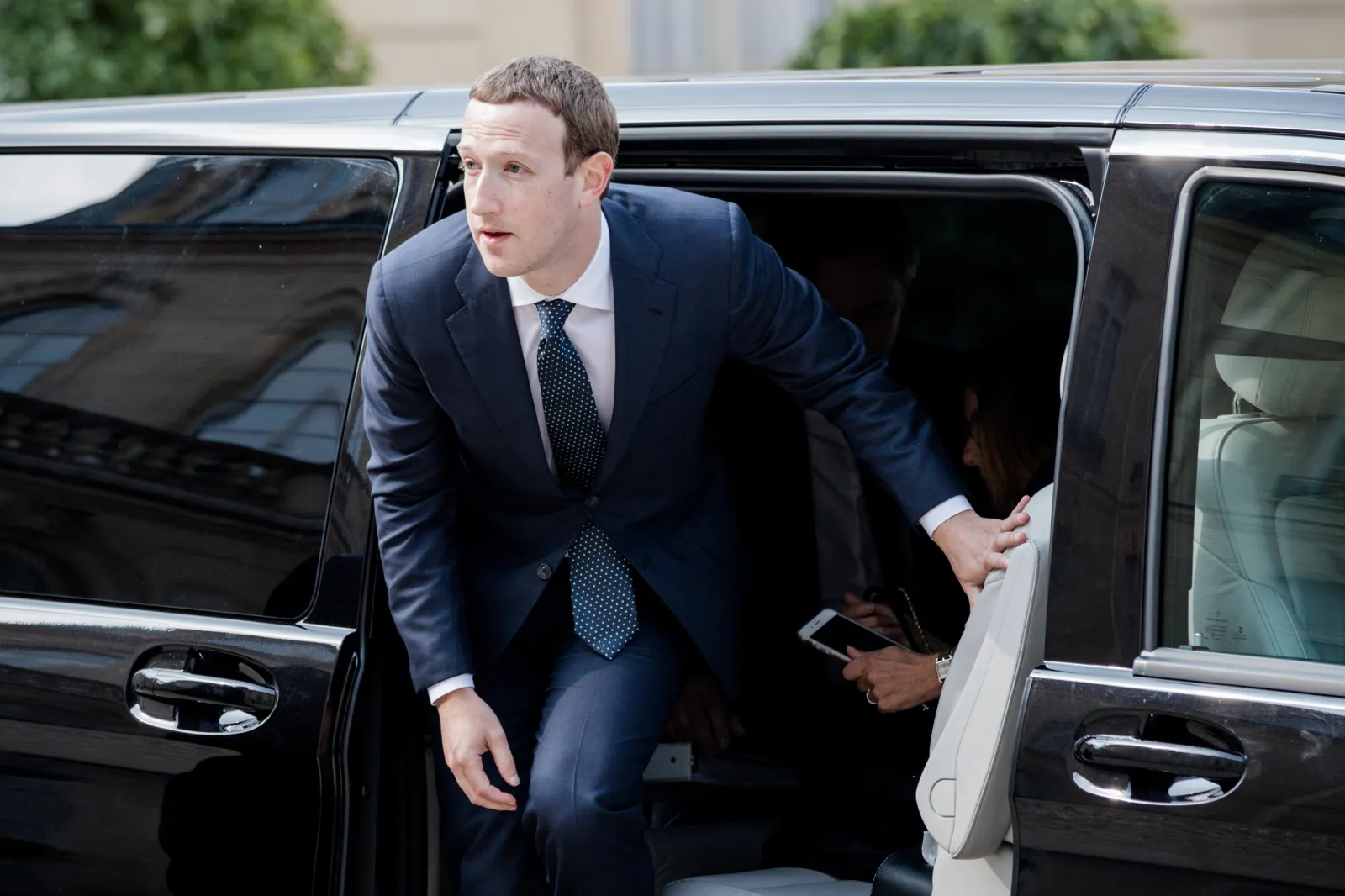
A yacht owned by Meta CEO Mark Zuckerberg is facing scrutiny after a passenger aboard an Alaska cruise ship claimed it failed to respond to a call for help involving a stranded boat.
The allegation spread rapidly online, with social media users questioning whether the billionaire's vessel ignored a nearby mariner in need of assistance.
What Happened?
According to reports, a 21-foot skiff ran out of fuel off the coast of Southeast Alaska on August 3 and contacted the U.S. Coast Guard seeking assistance. A nearby cruise ship, the Wilderness Legacy, responded and eventually towed the vessel to Farragut Bay, where it was refueled.
Coast Guard Public Affairs Specialist Shannon Shepard said the agency first received the skiff's request for help at approximately 9:32 p.m.
"At approximately 9:56 p.m., the Coast Guard determined they were not in distress and issued a marine assistance request broadcast on their behalf," Shepard told the Alaska Beacon.
The controversy centers on Launchpad, Zuckerberg's 387-foot yacht. YachtWorld estimated its cost at around $300 million. The vessel was closer to the stranded boat when the assistance request was broadcast.
Part of the attention stems from the contrast between a billionaire-owned superyacht and a small vessel in need of help.
Michael Love, who said he was a passenger aboard the Wilderness Legacy, wrote in a Bluesky post that the Coast Guard radioed Zuckerberg's yacht and that it "repeatedly refused to respond." Love added that there was "near unanimous booing" from passengers when the ship's captain informed them of the situation.
Newsweek contacted the U.S. Coast Guard, Meta and UnCruise Adventures, which operates the Wilderness Legacy, for additional comment.
What Did Zuckerberg's Team Say?
A Meta spokesperson told the Associated Press that the crew aboard Launchpad did not initially hear the Coast Guard communication. The spokesperson also said Zuckerberg and his family were not aboard the vessel at the time.
"As the Coast Guard noted, the boat was not in distress, and by the time the crew reviewed the Coast Guard contact on a different radio channel from the one they were operating on, the assist was already underway," the spokesperson added.
What Did the Coast Guard Say?
According to the U.S. Coast Guard, the call for assistance was made over VHF Channel 16, which vessels are expected to monitor.
The agency then issued a marine assistance request on the vessel's behalf.
A nearby cruise ship, the Wilderness Legacy, responded to that request, reached the vessel about an hour later, towed it to Farragut Bay and helped refuel it. The Coast Guard said the skiff made it safely to its destination.
The Coast Guard's determination that the vessel was not in distress is central to the debate because maritime experts say distress situations carry different obligations for nearby vessels than routine assistance requests.
Was Zuckerberg's Yacht Required to Respond?
Maritime law expert Ian Ralby told the AP that the situation appeared to fall into the assistance category rather than an emergency distress situation.
Ralby compared the difference to calling roadside assistance rather than emergency services.
"It's the difference between calling AAA and 911," he said. A true distress call generally creates a legal obligation for nearby vessels to assist if doing so would not endanger their own crews, while non-emergency assistance requests are treated differently.
He added that the key issues that typically trigger a mandatory response are threats to human life or significant environmental danger. Based on the available information, the Alaska incident did not appear to meet that threshold.
Contact Newsweek editor for this story: Anthony Murray.