 1 hour ago
8
1 hour ago
8
In this series, Newsweek maps the road to 9/11 as it happened 25 years ago, day by day.
Yesterday: Ziad Jarrah took his 9/11 role seriously. But a delay in takeoff from Newark Airport gave passengers the information they needed to fight back.
August 18, 2001: The FBI Minneapolis field office sent a detailed memorandum to the Radical Fundamentalist Unit (RFU) at headquarters in Washington describing the information they learned to date in the investigation of Zacarias Moussaoui, taken into custody two days earlier.
In the August 18 memo, the field office states that Moussaoui answered some preliminary questions but would not consent to voluntarily being interviewed, nor in having his belongings or electronics searched.
The memorandum stated that the Minneapolis field office believed that Moussaoui and his roommate were part of a larger international radical fundamentalist group. It stated that Moussaoui's roommate told the FBI that Moussaoui told him that "true Muslims must prepare themselves to fight."
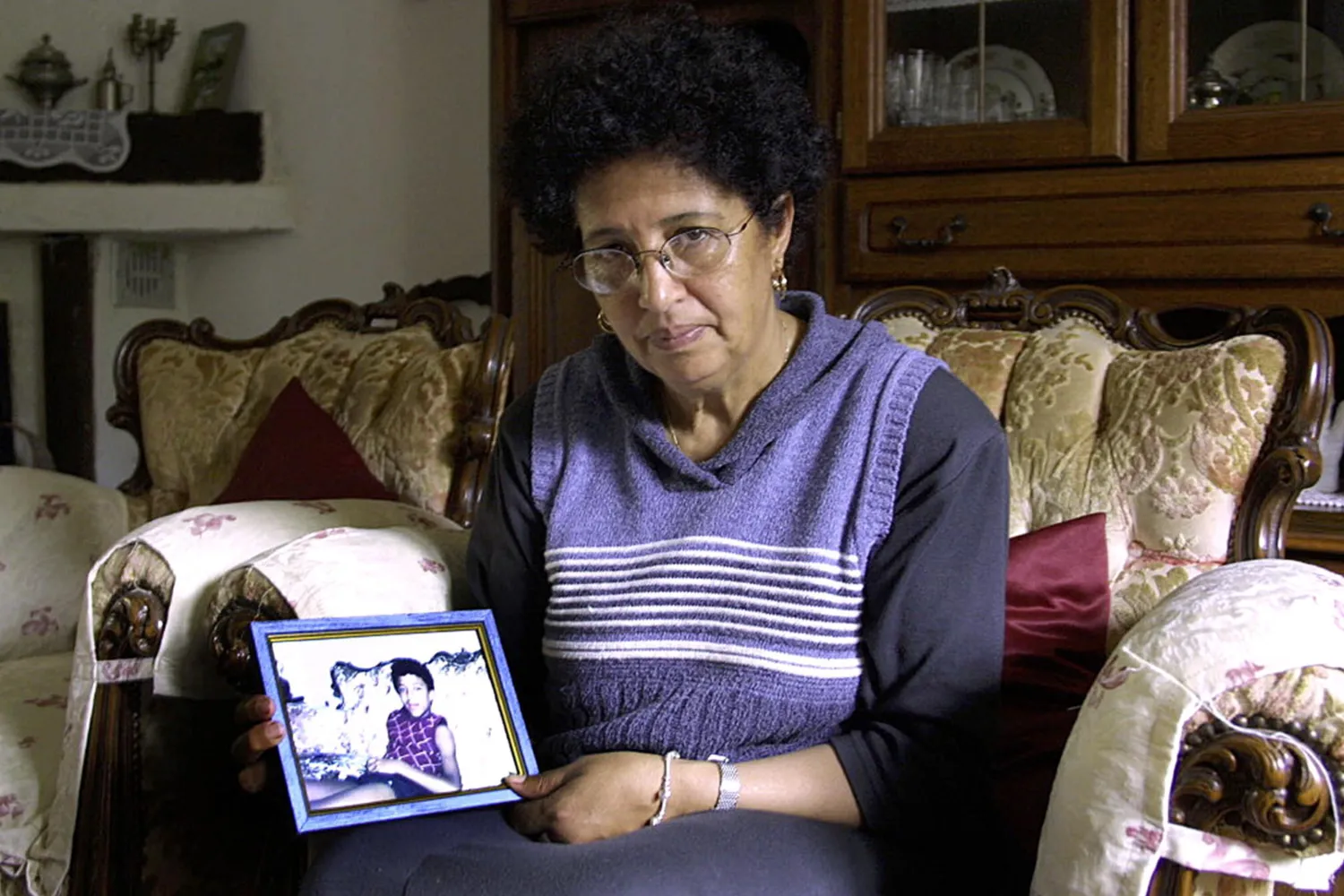
Based on Moussaoui's "possession of weapons and his preparation through physical training for violent confrontation," the Minneapolis field office said that it had reason to believe that Moussaoui, his roommate, "and others yet unknown," were conspiring to seize control of an airplane to be used in an attack.
The RFU did not take any special action upon receiving the memo, and FBI headquarters was focused on building a case for a search warrant under the Foreign Intelligence Surveillance Act (FISA).
As a result, the Minneapolis field office decided not to try to obtain a criminal search warrant to search Moussaoui's belongings (an easier proposition), believing that such a search warrant might prejudice any subsequent efforts to get a FISA warrant approved.
The FBI also contacted the CIA Counterterrorist Center (CTC) for more information. They responded that they had nothing on him in their files.
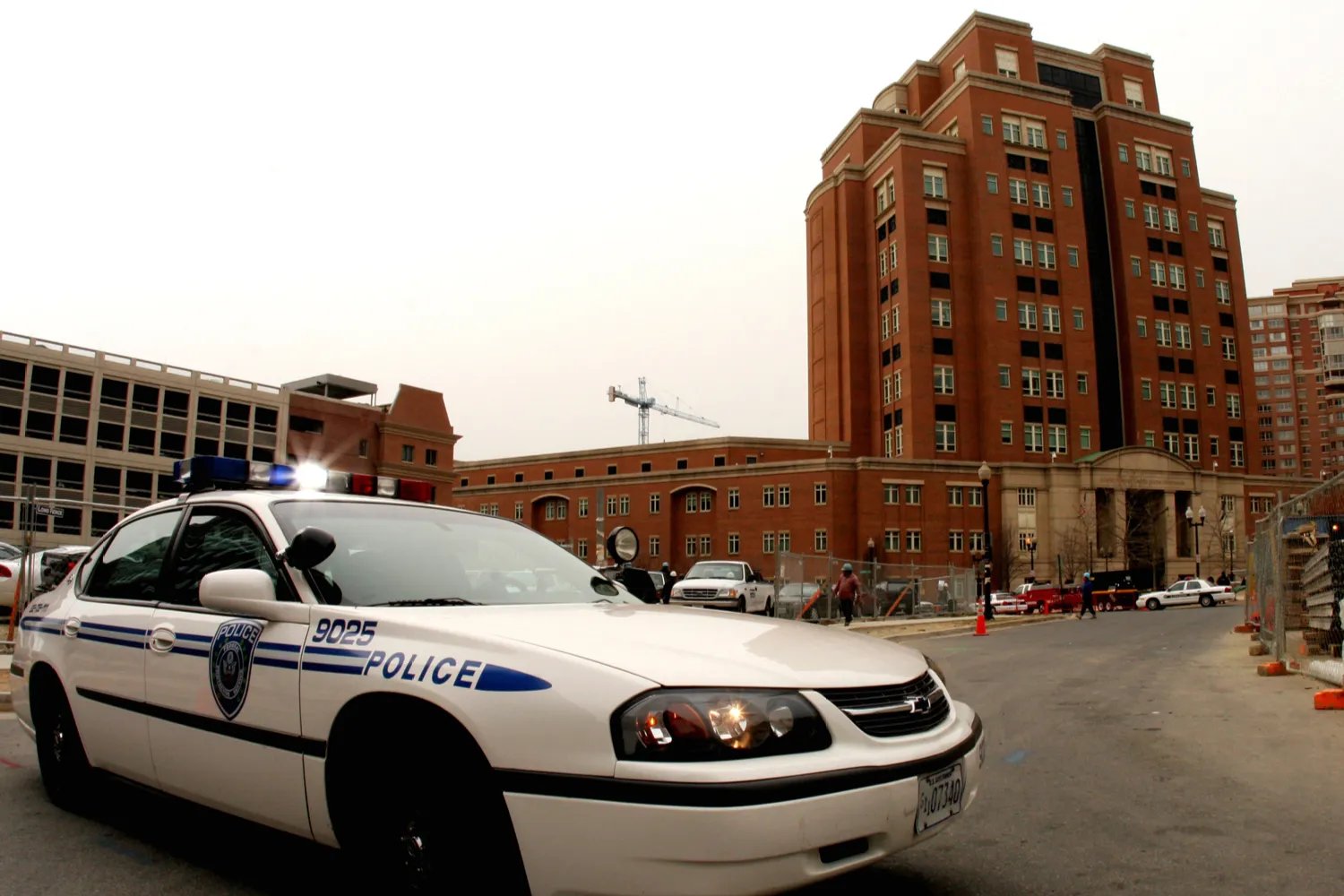
In later contacting CIA stations worldwide asking for any information they might have or be able to collect, CTC described Moussaoui and his roommate as "suspect 747 airline attackers" and a "suspect airline suicide attacker" who might be "involved in a larger plot to target airlines traveling from Europe to the U.S."
But other than that, their lackadaisical assessment of the FBI arrest as expressed in the August 18 memo (and later declassified) was that "for every UBL [Osama bin Laden] operative that we stop, an estimated 50 operatives slip through our loose net undetected. Based on recent arrest [of Moussaoui], it is clear that UBL is building up a worldwide infrastructure which will allow him to launch multiple and simultaneous attacks with little or no warning."
But the CTC did not see Moussaoui as an imminent threat, nor did they connect him, his flight training, or the information known about his radical Islamic views to any other intelligence in their possession.
Tomorrow: The men used code. "Architecture" meant the World Trade Center, "arts" was the Pentagon, "law" was the U.S. Capitol building, "politics" was the White House.