
 1 week ago
37
1 week ago
37
A type of plastic used in many food packaging products could contribute to fatty liver disease and make the condition worse when combined with an unhealthy diet, according to new research.
Scientists at Texas A&M University found evidence that polyethylene, one of the world's most widely used plastics, increased signs of fatty liver disease on its own and further aggravated the condition when paired with a diet high in fat, fructose and cholesterol.
The findings are notable because polyethylene has long been regarded as one of the more biologically inert forms of microplastic.
The Study of Polyethylene
Microplastics, tiny plastic particles that can result from the breakdown of larger plastic products, have been detected throughout the environment and even within the human body. While scientists have investigated the health effects of several types of microplastics, polyethylene has received comparatively little attention despite accounting for roughly one-third of global plastic production.
"There are no studies that have really looked into polyethylene's effect on liver health, and it's the most widely produced plastic," study author Dr. Adi Joshi, an associate professor in Texas A&M's Department of Veterinary Physiology and Pharmacology, said in comments included with the research.
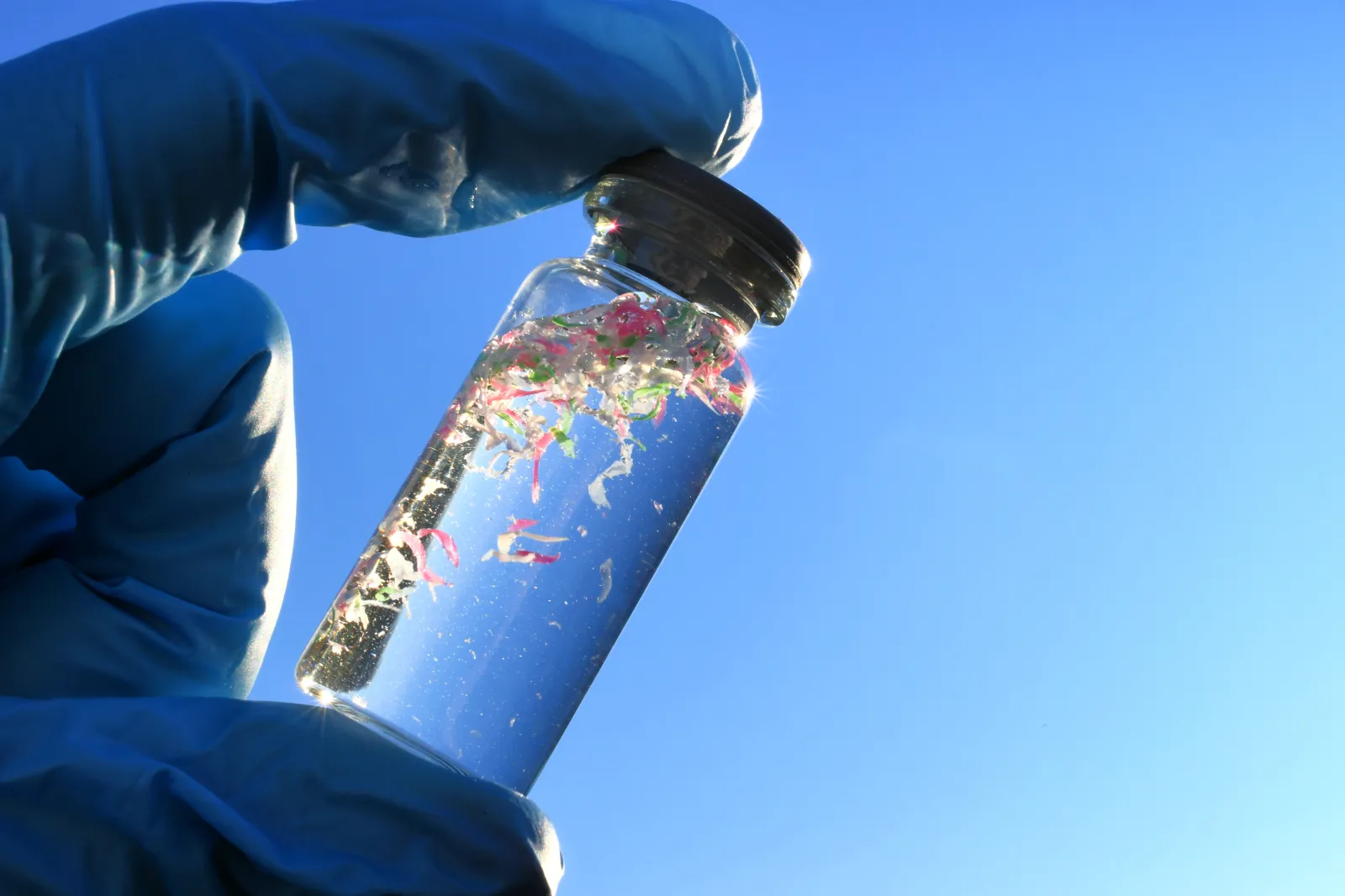
The team set out to determine whether polyethylene could contribute to fatty liver disease, a condition in which excess fat accumulates in liver cells.
Polyethylene & Fatty Liver Disease
According to the researchers, polyethylene exposure increased markers of the disease and produced even greater effects when combined with a diet resembling a typical Western eating pattern.
"Those who have a more Western-style diet, including foods like burgers and sodas, may have a greater chance of progressing to fatty liver disease if they are also exposed to polyethylene," Joshi said.
To understand what was happening inside the liver, researchers collaborated with scientists at the University of Oklahoma and used a technology known as spatial transcriptomics. The approach allowed them to examine gene activity while preserving the precise location of cells within the tissue, helping them identify specific areas where damage occurred.
The analysis pointed to a protein called PPAR-alpha, which is known to regulate fat production in the liver, as a key factor in the organ's response to polyethylene exposure. The researchers also identified ANXA2, a gene involved in tissue repair, as another possible contributor to the disease process.
Dr. Nhan Nguyen, who was not involved in the research, told Newsweek: "Unfortunately, many common household items contain microplastics and PFAS chemicals that can be detrimental to health...so this is a very important conversation, in my opinion.”
Nguyen said previous research has linked microplastic exposure with worsening liver disease in animal models, but stressed that a direct causal connection in humans has not been established.
He noted that the biological pathway highlighted by the researchers exists in humans and that polyethylene has previously been found in human liver tissue, factors that make the findings worthy of attention.
"Now that's a lot of data that could support the argument that it's plausible in humans," Nguyen said. Still, he cautioned against drawing conclusions about human health based solely on the new findings.
"What the study shows is that in mice with diet-driven liver stress, adding polyethylene made injury markers worse," he said. "It has NOT been shown in people, and the dose question matters... So I would want to see the exposure level compared to realistic human intake before drawing conclusions about anyone's kitchen."
The researchers say their work opens several new directions for future study. They plan to investigate whether polyethylene contributes to later stages of liver disease, including fibrosis, and explore additional molecular pathways involved in the body's response to microplastic exposure. They also hope to determine whether manipulating the PPAR-alpha pathway could help reduce polyethylene's harmful effects on the liver.
"This is the pioneering study showing that polyethylene can contribute to fatty liver disease and the use of spatial transcriptomics has determined exactly where the damage has happened within the liver," Joshi said.
What Happens Next
Nguyen said that while much more research is needed, studies such as this may help increase public awareness of exposure to microplastics and other environmental chemicals.
"As microplastics and PFAS show up in more and more headlines, I am encouraged that it will increase awareness about the dangers of the chemicals in our society and even found in our everyday products," he said.
Reference:
Joshi et al. Spatial transcriptome mapping identifies Ppara-Anxa2 cross-talk in microplastic-induced hepatotoxicity. Science Advances.
Contact Newsweek editors on this story: Kara Dolman and Gray R. Thomas