 3 hours ago
8
3 hours ago
8
Progressives are having a strong year in Democratic primaries, but they have struggled to win support from Black voters in places such as New York City, Denver and Detroit.
Frustration with the Democratic Party has boiled over in recent primaries as voters back more progressive candidates, including some democratic socialists, over longtime incumbents and centrists. But Democrats aren't united in supporting the progressive surge. There are still many more moderate voices in the party who back less progressive candidates, creating a tension between the party's left and establishment wings.
Polls consistently show that Black Democrats are more moderate than white Democrats, and moderate candidates have performed well in areas with high concentrations of Black voters in recent primaries, even in cases where the more progressive candidate went on to win.
Some progressives have done well in areas with high Black populations. For instance, democratic socialist Janeese Lewis George won the Democratic primary in Washington, D.C.'s mayoral race and is expected to easily win the general. Michigan Representative Donavan McKinney likewise won in a Detroit-based congressional district with a high concentration of Black voters.
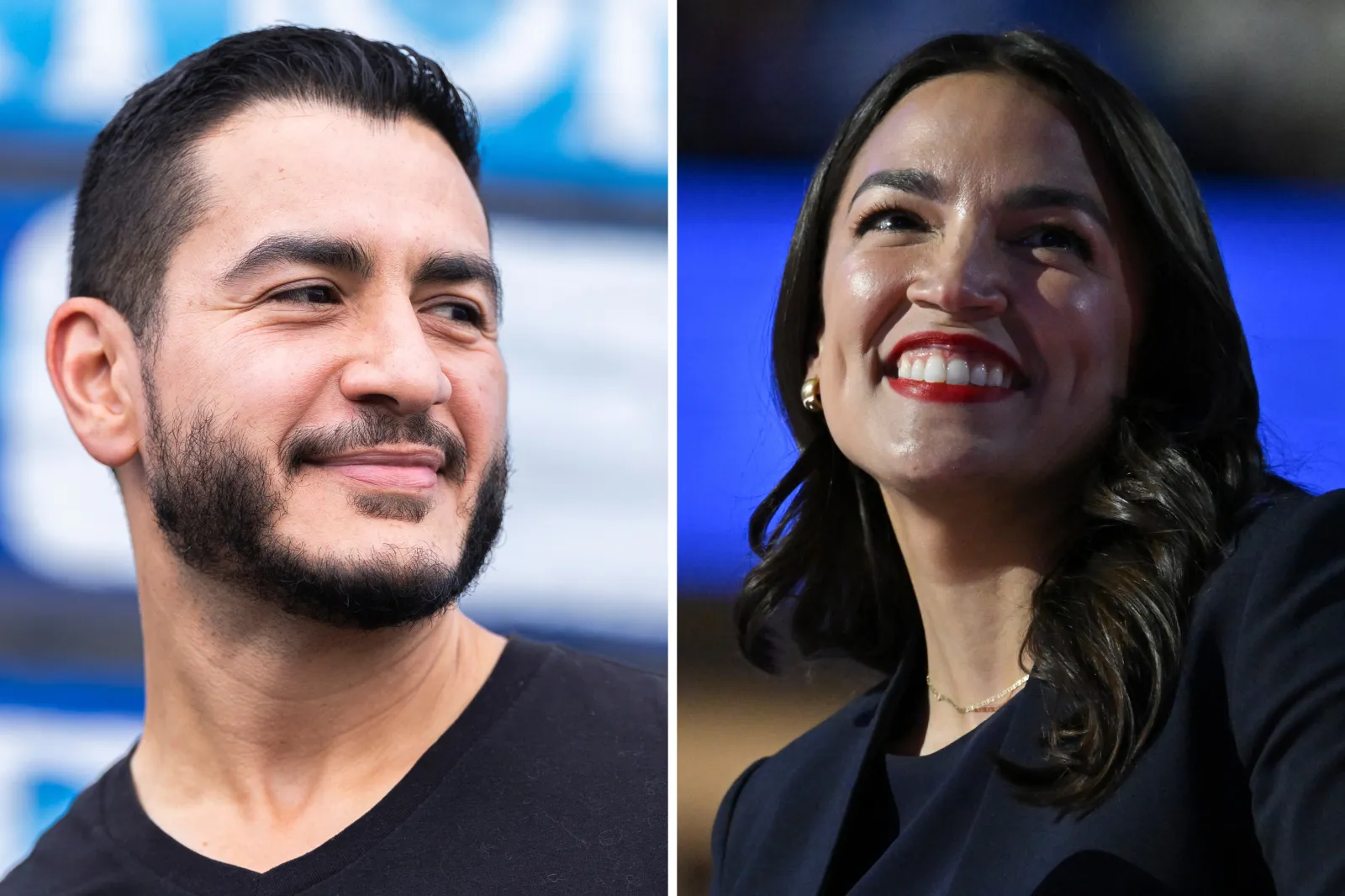
But others, including Michigan Senate candidate Abdul El-Sayed and New York City Mayor Zohran Mamdani, have not done as well with Black voters in their primaries.
Progressives struggling to win over Black voters, a critical bloc in the Democratic coalition, could be a major roadblock to their success, especially in the 2028 presidential primaries.
In 2028, South Carolina, where Black voters dominate, is set to be an early-voting state. If progressives perform poorly among the state's Black electorate, that could spell trouble for their presidential election odds. That was the case for Bernie Sanders in 2020, as his momentum stalled after Joe Biden's strong victory in the state.
Why Progressives Aren’t Winning Over Black Democrats
There are numerous reasons Black voters tend to prefer moderate candidates in primaries, experts told Newsweek.
They tend to be "very strategic" in their voting behavior and focus on questions of who they believe can actually win in a general election, Keneshia Grant, an associate professor of political science at Howard University, told Newsweek.
To win more support from Black voters, progressives and democratic socialists have to prove they can win, she said.
"The biggest thing in the mind of Black voters, certainly older Black voters, is going to be not wasting a vote," Grant said. "The thing that democratic socialists can do to win over Black voters is win elections. If they can demonstrate that they can win general elections, I think that Black voters might find themselves more comfortable to support them."
Grant said there is also a generational aspect, with younger Black voters being "more willing to take chances" on more progressive candidates compared to older voters. She said there are areas of overlap between the issues Black voters are concerned about and the policies supported by many democratic socialists around the economy and health care.
"I think that Black voters and the DSA are probably more aligned than either group might realize," she said. "But I think the messaging is going to be important."
Black voters also tend to be more conservative than many other Democrats, Sharon Austin, a professor of political science at the University of Florida, told Newsweek, noting that many "aren't in favor of progressive policies like defunding the police."
"Progressives and socialists need to do more to inform voters about their positions on issues that concern them. They not only need to do this to educate Black voters, but voters of other races as well. Conservative media outlets successfully have stereotyped progressives and socialists as being 'radical leftists,'" Austin said. "These candidates need to explain the benefits of their policies."
In Key Primaries, Moderates Do Well Among Black Voters
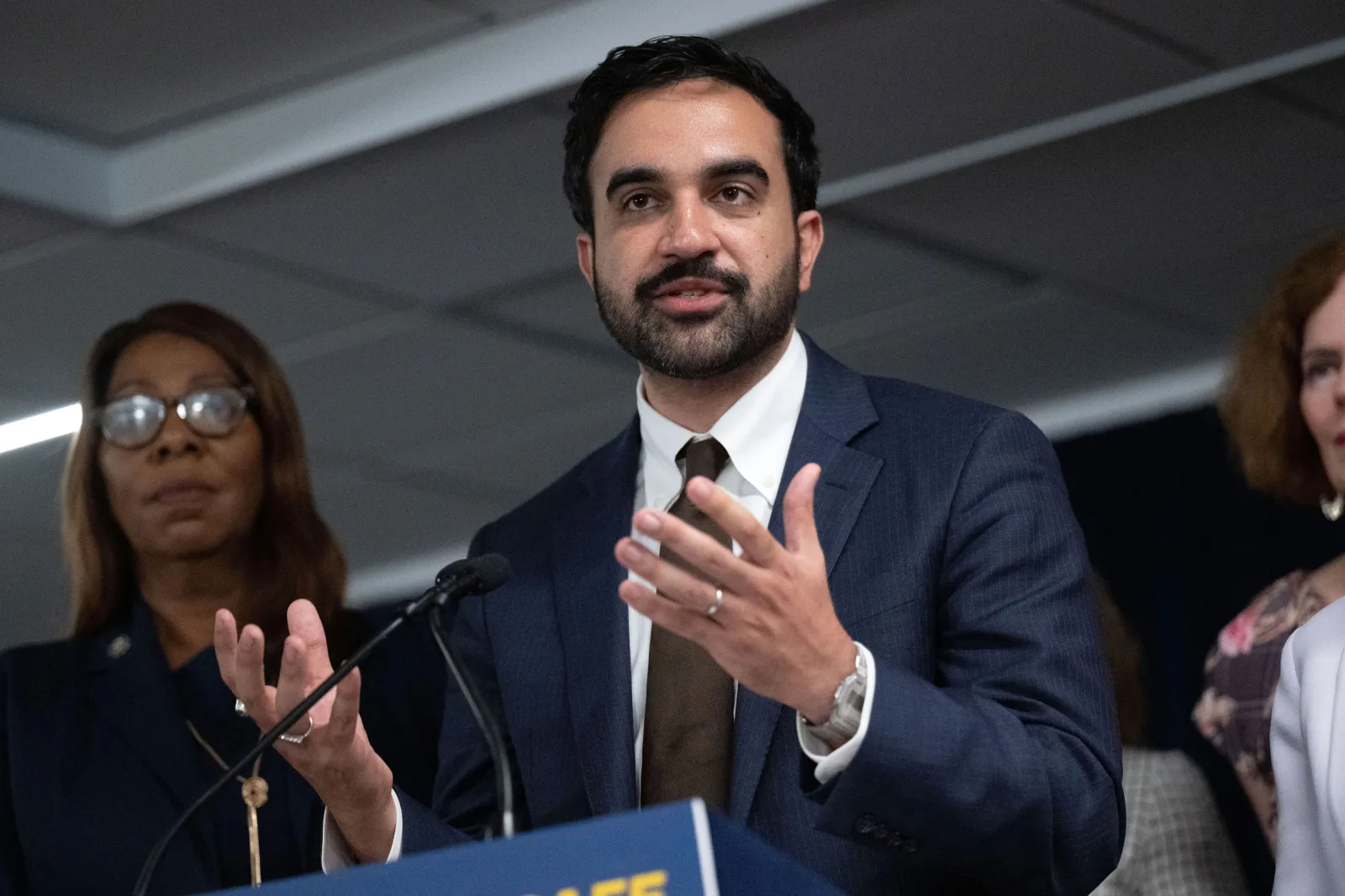
In last year's New York City mayoral primary, areas of the city with a high number of Black voters—such as South Brooklyn, Queens and the Bronx—largely backed former Governor Andrew Cuomo over Mamdani, who went on to win the primary and general election.
Many of those neighborhoods would go on to vote for Mamdani in the general election. He did better in so-called gentrified neighborhoods, such as Brooklyn's Park Slope, that are fairly wealthy and have larger white populations.
Mamdani's performance among Black primary voters served as a harbinger of a challenge progressives have continued to face in Democratic midterm primaries.
In Michigan, for instance, El-Sayed underperformed in Detroit despite winning statewide. Instead, centrist Representative Haley Stevens did well in the city, home to the state's largest concentration of Black voters. Many precincts with large Black populations voted for Stevens, according to an unofficial precinct-by-precinct report released by Wayne County.
Stevens also received the endorsement of many Black leaders, including the Congressional Black Caucus, and Representative James Clyburn of South Carolina campaigned for her.
Polling data released prior to the primary signaled that El-Sayed lacked support from Black voters. An Emerson College poll found that 63 percent of Black voters would vote for Stevens, while 33 percent said they would back El-Sayed. It surveyed 700 Democratic primary voters from July 26-27, with a margin of error of plus or minus 3.7 percentage points.
Wisconsin Representative Francesca Hong, a democratic socialist, did well in places such as Madison but performed less strongly in Milwaukee County, home to the state's largest Black population in Tuesday night's primary. Milwaukee County Executive David Crowley's statewide win was propelled by his showing in the state's largest county by population.
A Marquette Law School poll found Hong up 25 points overall, though she would go on to lose the election to Crowley. Her support among white voters in the poll stood at 40 percent, while her support among all other races stood at 34 percent—the poll's crosstabs did not break that into specifics. It surveyed 407 registered voters from July 22-27 and had a margin of error of plus or minus 6.6 percentage points.
Notably, polls of both Michigan and Wisconsin overestimated support among progressives across the state.
Both are battleground states, and the progressive candidates in these races have faced questions about whether they can win statewide. Trump narrowly won Michigan and Wisconsin in 2024, and some Democrats believe a more centrist candidate stands a better chance of winning over moderate and independent voters.
El-Sayed's victory in Michigan means the race is likely to become a major test for progressives' electoral viability in a swing state during the midterms.
While democratic socialist Melat Kiros defeated 15-term Democratic Representative Diana DeGette in the primary for Colorado's 1st District, DeGette outperformed her district-wide showing in the northeastern part of Denver, which has a higher concentration of Black voters.
A Pew Research Center survey earlier this year found that Black Democrats were less likely to say they viewed democratic socialist politicians in a positive light.
It found that 40 percent of white Democrats said they would view a political leader who identified as a democratic socialist positively, compared to 21 percent of Black Democrats, 20 percent of Hispanic Democrats and 30 percent of Asian Democrats.
The survey was conducted from January 20-26. A recent poll from The Washington Post and Ipsos found that 56 percent of Black voters were open to voting for a presidential candidate who identified as a democratic socialist. Fifteen percent said they liked politicians who identified as democratic socialists, while 13 percent said they disliked those politicians. Seventy percent said they neither liked nor disliked them.
That poll surveyed 2,648 adults from July 8-13 and had a margin of error of plus or minus 2.2 points across all groups.
Contact Newsweek editors on this story: Jason Lemon and Shakeema Edwards.