
 2 hours ago
9
2 hours ago
9
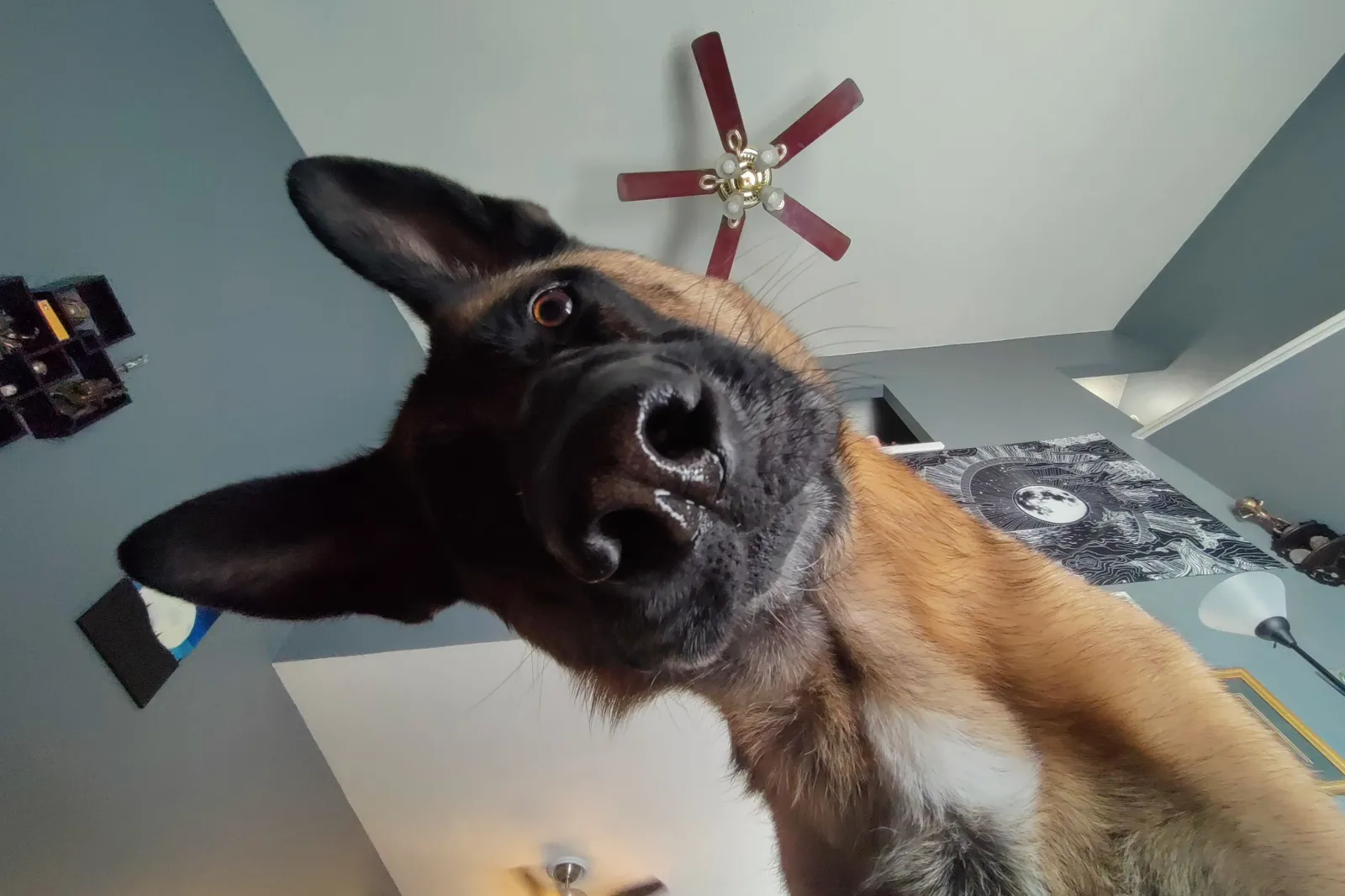
If your dog is always the first to investigate a strange noise, sniff a guest’s bag, or check out what is happening behind the fence, you may have a "nosy" dog.
While owners often use the word jokingly, this dog behavior is usually a sign of curiosity and a natural desire to gather information about the world around them.
"Nosy and curious are synonymous because being nosy achieves and answers similar questions as being curious," Dr. Noe Galvan, DVM, MPH, a Fetch Pet Veterinary Advisory Board Member, told Newsweek. "Dogs are extremely perceptive too."
So, the next time your dog sticks their head out the car window or spends several minutes sniffing a new spot on a walk, they may not just be distracted—they are collecting information about their surroundings.
What Makes a Dog Curious?
Dogs experience the world largely through their sense of smell. While humans often rely on sight, dogs use their noses to investigate and understand their surroundings.
A dog sniffing a new area may be trying to figure out: Who was here before me? What happened here? Is there something interesting nearby?
"Some possible signs a dog is naturally curious or attentive about their environment are keeping their body in a neutral position, ears erect, eyes on strangers or unfamiliar environments and, of course, sniffing the environment," Galvan said.
An article from Wag, a pet care app, states other signs of a curious dog can include:
- Tasting and licking objects
- Closely listening
- Pawing at an object
- Watching unfamiliar people or animals
- Growling or barking
"When outside, a dog may pace the fence line or sniff areas where other pets have marked," Galvan said. "All of this is intel on who or what was here before me."
Why Some Dogs Investigate More Than Others
While some dogs may appear more investigative than others, Galvan said there are not necessarily specific breeds that are universally more curious.
Instead, some breeds were historically developed with traits that encouraged investigation, including hunting, tracking, herding or other forms of work.
Curiosity can look different depending on the dog. A scent-driven breed may spend time following a trail outdoors, while another dog may investigate a household noise because they think it could lead to a treat.
"Equally as investigative but perhaps with different convictions, a French bulldog may hear a bag of chips opening in the next room and investigate a possible treat," he said.
A dog's curiosity can come from a combination of factors, including scent instincts, social curiosity, boredom and a dog’s natural drive to explore.
Canines have an extraordinary ability to detect smells, but simply noticing a scent does not necessarily mean a dog is more intelligent.
"How they act on it is often determined by their training and drive," Galvan said, pointing to working dogs such as police dogs and bomb detection dogs.
When Curiosity Becomes a Problem
Curiosity is generally a healthy behavior, but it can sometimes put dogs in risky situations.
A dog investigating a sound while hiking, for example, could accidentally encounter wildlife such as a rattlesnake.
However, that heightened awareness can also help owners by alerting them about possible danger in the area.
The biggest concern is when a dog cannot disengage from whatever has caught their attention, Galvan said.
Is My Dog Curious or Anxious?
Not every dog that investigates everything is simply being curious. Some behaviors that appear nosy can also be linked to stress or anxiety. But distinguishing between curiosity and anxiety relies on an owner to spot the subtle differences.
"A stressed or anxious dog may find it challenging to settle down," Galvan said.
Signs that a dog may be stressed include:
- Whining
- Panting without a clear reason
- Following their owner constantly
- Difficulty relaxing
- Repetitive behaviors
A curious dog will generally investigate something new and then return to their normal routine, while an anxious dog may remain fixated, struggle to settle or display signs of discomfort.
How to Channel a Curious Dog’s Behavior
Owners can turn their dog’s curiosity into a healthy outlet through enrichment and training.
"Dogs are naturally curious and inquisitive animals, especially dogs that were bred to work and have a high drive to perform," Galvan said.
These dog breeds often require more stimulation to channel their drive and enthusiasm in a healthy manner, which may include allowing extra time for sniffing during walks, using puzzle toys, practicing training exercises, playing hide-and-seek with toys or treats, and trying scent-based activities.
Ultimately, a dog that wants to investigate everything is often just doing what dogs do best: learning about their environment.
So, while your dog may seem like the neighborhood gossip—checking every visitor, sniffing every corner, and investigating every mysterious sound—they may simply be trying to figure out what is going on around them.
Contact Newsweek editors on this story: Rebecca Flood and Emma Lee-Sang