
 1 week ago
42
1 week ago
42
The mother of a seven-year-old girl diagnosed with stage 4 cancer has shared the warning signs other parents should look out for, after feeling there were signs she missed.
Emily Koska and her husband, Michael, are parents to three children: Abram, 11, five-month-old Ruthie, and Miriam, aged seven.
"Miriam is a girly girl," mom Koska, who lives in North Dakota, told Newsweek. "She loves singing, dancing, [and] playing with Barbies."
In October 2025, Miriam was diagnosed with stage 4 nodular ganglioneuroblastoma, a childhood cancer that occurs mostly in children aged between two and four years of age.
The cancer affects the nerve tissue, and malignant tumors are likely to be aggressive, growing quickly and spreading, according to MedlinePlus.
Most commonly, a lump can be felt in the abdomen, but may occur in other sites such as the neck, legs or chest cavity—but in Miriam's case, she felt there were signs she should have seen earlier.
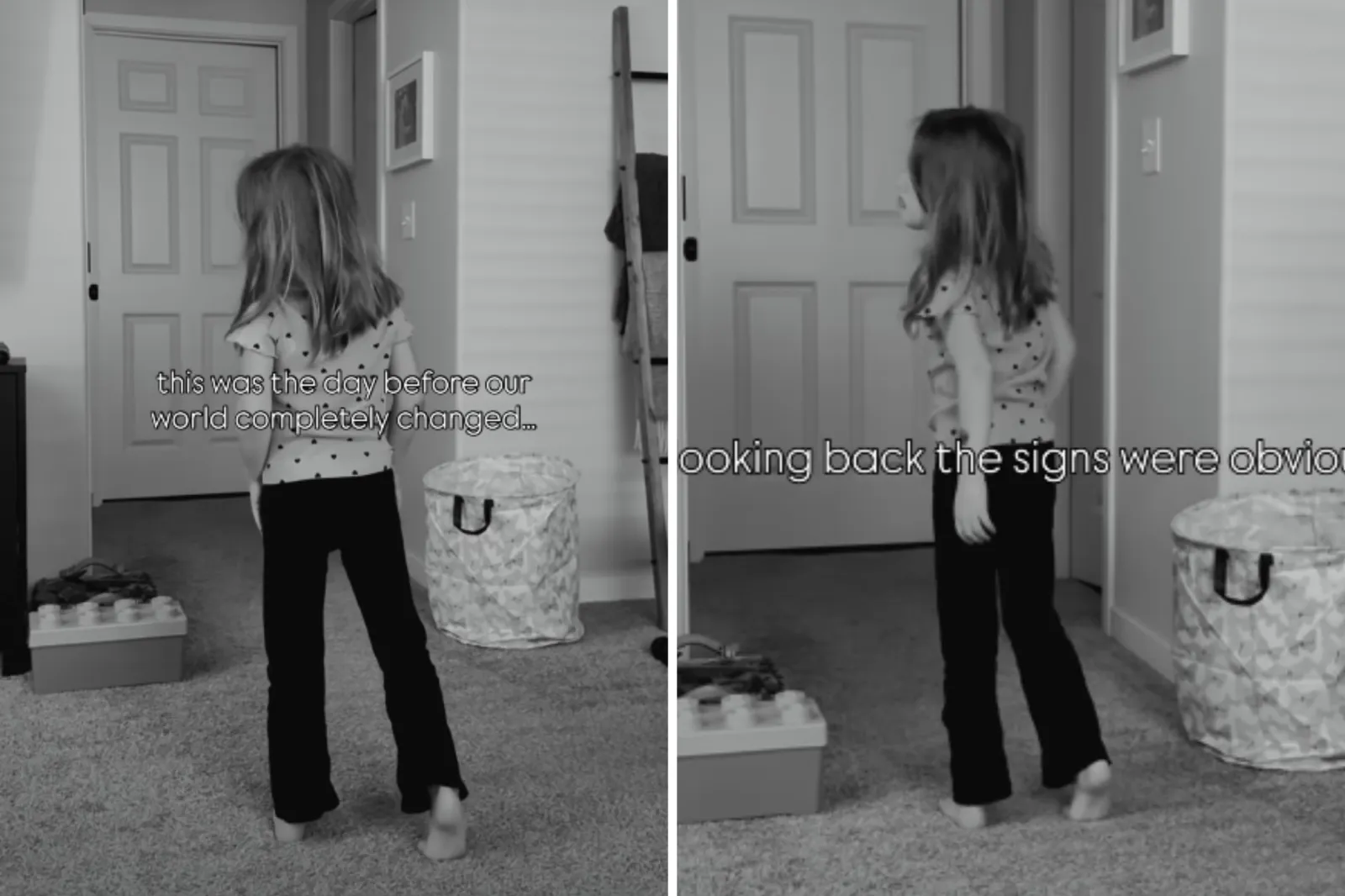
In July of this year, Koska shared a video of the day before her daughter was diagnosed, which showed her walking across a room with an apparent limp, in a way that seemed stiff.
She wrote over the video, shared to her Instagram account @emilykoska: "This was the day before our world completely changed. We had no idea she had cancer that spread to her bone marrow.
"Looking back the signs were obvious. I have to live with that forever."
Now, Koska is recalling the early days of Miriam's diagnosis and the "subtle" symptoms she had, urging other parents to "keep asking questions" if they feel there's something wrong with their children.
Miriam was six years old when she first began to experience occasional pain in her leg, but they put it down to growing pains due to her being a normal, active child.
But, when pain became frequent and more severe in the following weeks, including Miriam developing a limp, they became far more concerned.
Miriam developed "unexplained fevers, drenching night sweats, abdominal pain, and increasing fatigue," Koska recalled in a post to family and friends which she sent to Newsweek.
They went to clinics, saw two different pediatricians, met with a neurologist—but were suggested the symptoms were the result of everything from a virus to constipation.
Finally, they met a pediatrician who listened and asked more questions about Miriam's symptoms, looking at "the entire picture instead of each symptom in isolation"—and sent the family straight to the emergency department.
"Within hours, our daughter was diagnosed with cancer. And within days, we knew it was high risk ganglioneuroblastoma," she wrote.
Neuroblastoma can cause tumors which press on structures in a child's body, leading to a wide range of symptoms.
This can include feeling too full to eat, swelling in different parts of the body, trouble using the toilet, problems with balance, coordination or movement, coughing or difficulty breathing, difficulty swallowing, a drooping eyelid and one pupil smaller than the other, according to the Cleveland Clinic.
If tumors have spread, further symptoms might also include swollen lymph nodes, bone pain making it hard for a child to walk, dark circles around the eyes or bulging eyes, tiredness and irritability, weakness in the arms or legs, fever, bruising or bleeding more than expected, pale skin, and frequent illness.
As Koska put it, "the reality is that these symptoms are far more likely to be caused by something other than cancer."
But, while childhood cancer is considered rare, she added that "rare does not mean impossible. When symptoms persist, worsen, or don't make sense, they deserve another look."
She said she was sharing the post because she does not want "another parent to dismiss persistent symptoms," and urged anyone going through something similar to "keep asking questions, keep advocating, keep searching until someone listens."
In Miriam's case, there is good news, as Koska told Newsweek that her daughter is currently "doing well" after treatments and second opinions.
"She recently had clear scans and [has] very minimal disease remaining in her bone marrow," Koska said. "She will be in treatment into 2027."
The mother-of-three said it is "a long and grueling process, but we are incredibly proud of how brave and resilient she has been throughout this entire journey.
"It's an honor to be her mom and walk alongside her. She inspires us every day."
Contact Newsweek editors on this story: Rebecca Flood and Emma Lee-Sang