
 1 week ago
43
1 week ago
43
As millions of Floridians face the prospect of bumper-to-bumper evacuation traffic when a hurricane threatens, a private company is offering a different option: a guaranteed seat on a flight out of the state.
West Palm Beach-based PriorityEvac sells annual memberships that promise to evacuate customers before a storm arrives, flying them to Atlanta when National Hurricane Center forecasts meet predetermined activation thresholds.
The service, which costs $1,250 per person each year and even offers pet accommodations for an additional fee, is aimed at residents willing to pay for an alternative to crowded roads, packed airports and last-minute travel disruptions during hurricane season.
The company says it has seen interest from Florida residents, seasonal homeowners, corporations, sports teams, families with elderly relatives in the state and parents of college students attending Florida universities. While it does not publicly disclose enrollment figures, PriorityEvac said it expects to support approximately 5,000 members during its first year of operation.
"Since launching, we've seen a consistent stream of members signing up daily," a PriorityEvac spokesperson told Newsweek.
What Is PriorityEvac?
PriorityEvac is a hurricane evacuation membership program headquartered in West Palm Beach, Florida. According to the company, members enroll before a storm threat develops and are assigned a departure airport, allowing evacuation logistics to be planned in advance.
The company says its operations are focused on the critical period before a hurricane arrives, with a system built around monitoring forecasts, notifying members and coordinating departures once activation criteria are met.
On its website, PriorityEvac says members are monitored throughout hurricane season and receive notifications through multiple channels, including text messages, emails and phone calls.
How Much Does PriorityEvac Cost?
Membership to PriorityEvac costs $1,250 per member per year, including access to PriorityEvac's contracted evacuation network for the full Coverage Season (June 1 - November 30).
Couples can join for $2,400 per year, while a family of four membership costs $4,400 annually. Additional household members can be added for $1,100 per person. According to the company, each membership covers up to two hurricane evacuations per season.
"There are no per-event activation fees, aircraft repositioning charges, or storm-related surge pricing," the spokesperson said.
Optional pet accommodations are available for an additional fee, subject to aircraft and carrier requirements. PriorityEvac said household pets can be added for $125 per carry-on pet, while larger pets may also be accommodated during the membership onboarding process.
On their site, PriorityEvac compares its prices to alternatives, highlighting $2,000+ for a last-minute commercial fare, up to 30 hours northbound driving or a $20-22k self-charter flight.
How Does PriorityEvac's Hurricane Evacuation Service Work?
The company's process begins with enrollment. According to PriorityEvac, prospective members complete an application, provide information about their household and sign a membership agreement before peak hurricane season. Members are then assigned a departure airport and have their information stored for future activations.
If a storm reaches specified forecast thresholds, members receive an early warning notification. The company says this allows aircraft repositioning and operational preparations to begin before a full evacuation activation occurs.
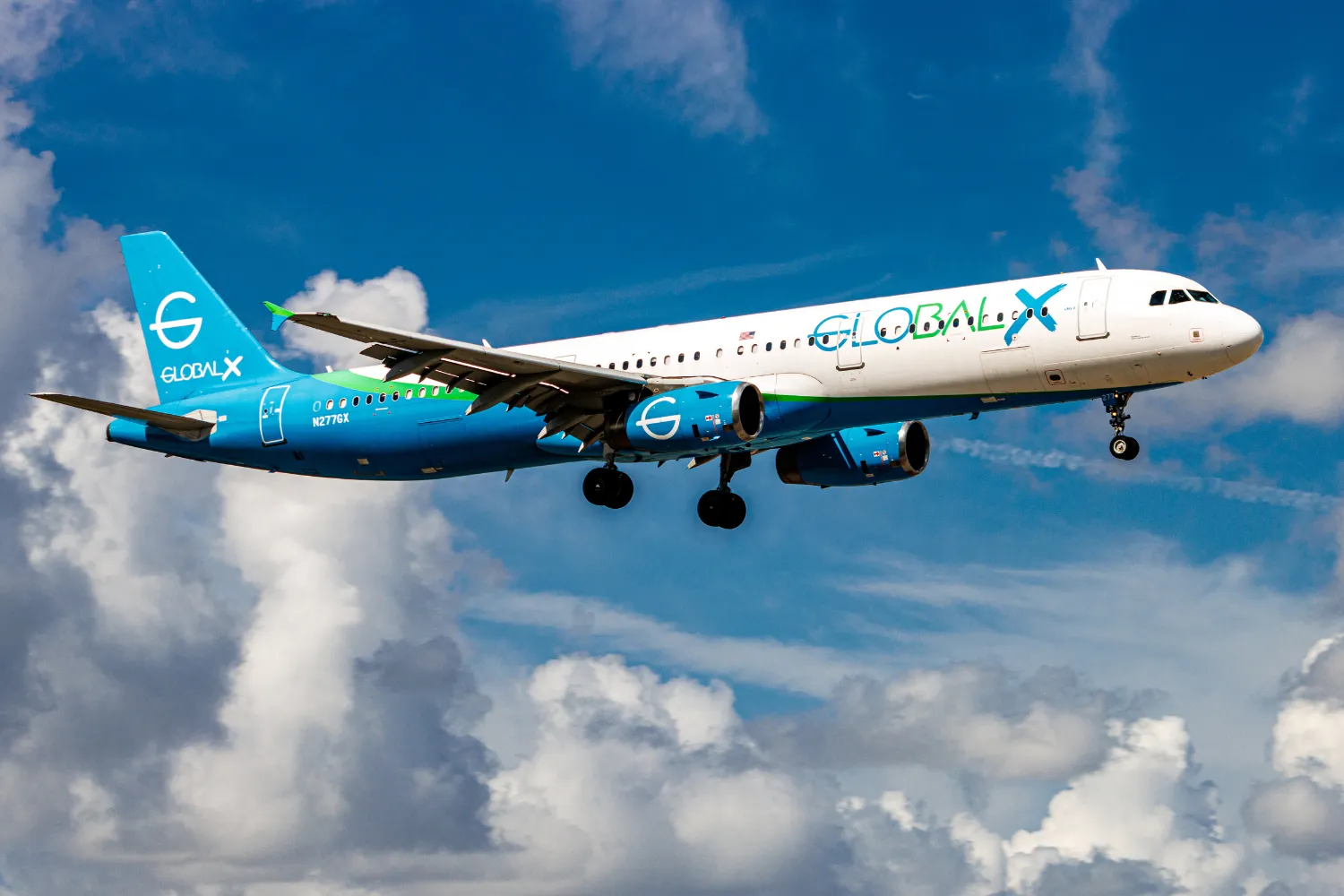
Once activation criteria are met, members receive assigned departure slots, airport information and check-in instructions before boarding evacuation flights. Members are transported on contracted Airbus A320 aircraft.
Although the service is new for the 2026 hurricane season, the company says it carried out extensive planning and scenario testing before launch.
"We back-tested the past 22 years of hurricane seasons, running every storm through our aviation evacuation operating window against our activation triggers and fleet capacity," the spokesperson said. "In each case, the analysis confirmed our throughput could move the covered member base within the available evacuation window."
The company also highlighted the experience of Chief Operating Officer Tim Houston, a retired U.S. Air Force colonel and former chief of operations at NORAD and U.S. Northern Command, as well as logistics partner Project Dynamo, a veteran-led nonprofit that says it has evacuated more than 7,500 people from natural disasters and political unrest.
Where Do PriorityEvac Evacuation Flights Go?
Evacuation flights are routed to Atlanta, Georgia, which is intended to place members outside the expected hurricane impact zone.
"Atlanta was selected for three reasons," the spokesperson said. "First, it's typically outside Florida's primary hurricane impact corridor. Second, Hartsfield-Jackson Atlanta International Airport provides exceptional onward connectivity. Third, the Atlanta metro area offers extensive lodging and ground transportation infrastructure."
The company notes that transportation and accommodation arrangements after arrival in Atlanta remain the responsibility of members.
How Active Will the 2026 Florida Hurricane Season Be?
While PriorityEvac is marketing its service as hurricane season enters its busiest stretch, forecasters currently expect 2026 to be less active than the average Atlantic season.
Colorado State University's latest outlook predicts nine named storms, four hurricanes and one major hurricane this year, below the 1991-2020 averages of 14.4 named storms, 7.2 hurricanes and 3.2 major hurricanes.
The Atlantic basin has also been relatively quiet so far. As of early August, only Tropical Storms Arthur and Bertha had formed, with no hurricanes recorded.
However, CSU researchers have cautioned residents against becoming complacent.
"It takes only one storm near you to make this an active season for you," Michael Bell of Colorado State University's Tropical Cyclones, Radar, Atmospheric Modeling and Software (TC-RAMS) team, said.
Forecasters note that August through October is typically the most active period of the Atlantic hurricane season, when the vast majority of tropical storms and hurricanes develop.
Contact Newsweek editors on this story: Rebecca Flood and Emma Lee-Sang