 1 week ago
41
1 week ago
41
As smart-home technology becomes increasingly common, some home sellers are using cameras and recording devices to monitor potential buyers during property tours—giving them access to conversations and reactions that buyers may assume are private.
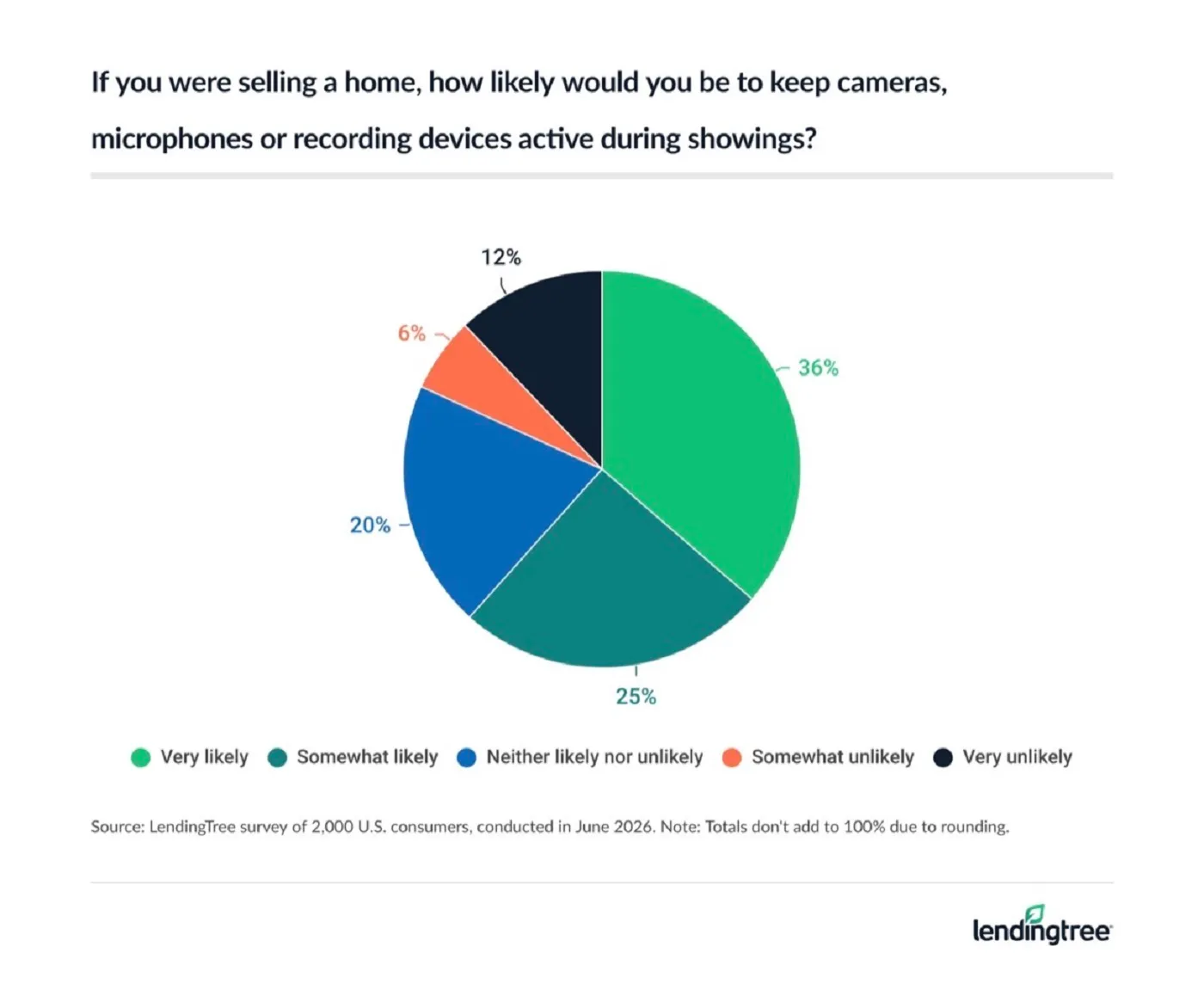
A LendingTree survey of 2,000 consumers in June 2026 found that 56 percent of home sellers said they had used hidden cameras while buyers were viewing their homes, while 72 percent of buyers said they believed they had been watched during a home tour.
The findings highlight a growing tension in the real estate market: sellers are gaining new tools to protect their properties and gather information, but buyers are increasingly concerned that their private discussions about a home—including their impressions and negotiating strategies—may be recorded.
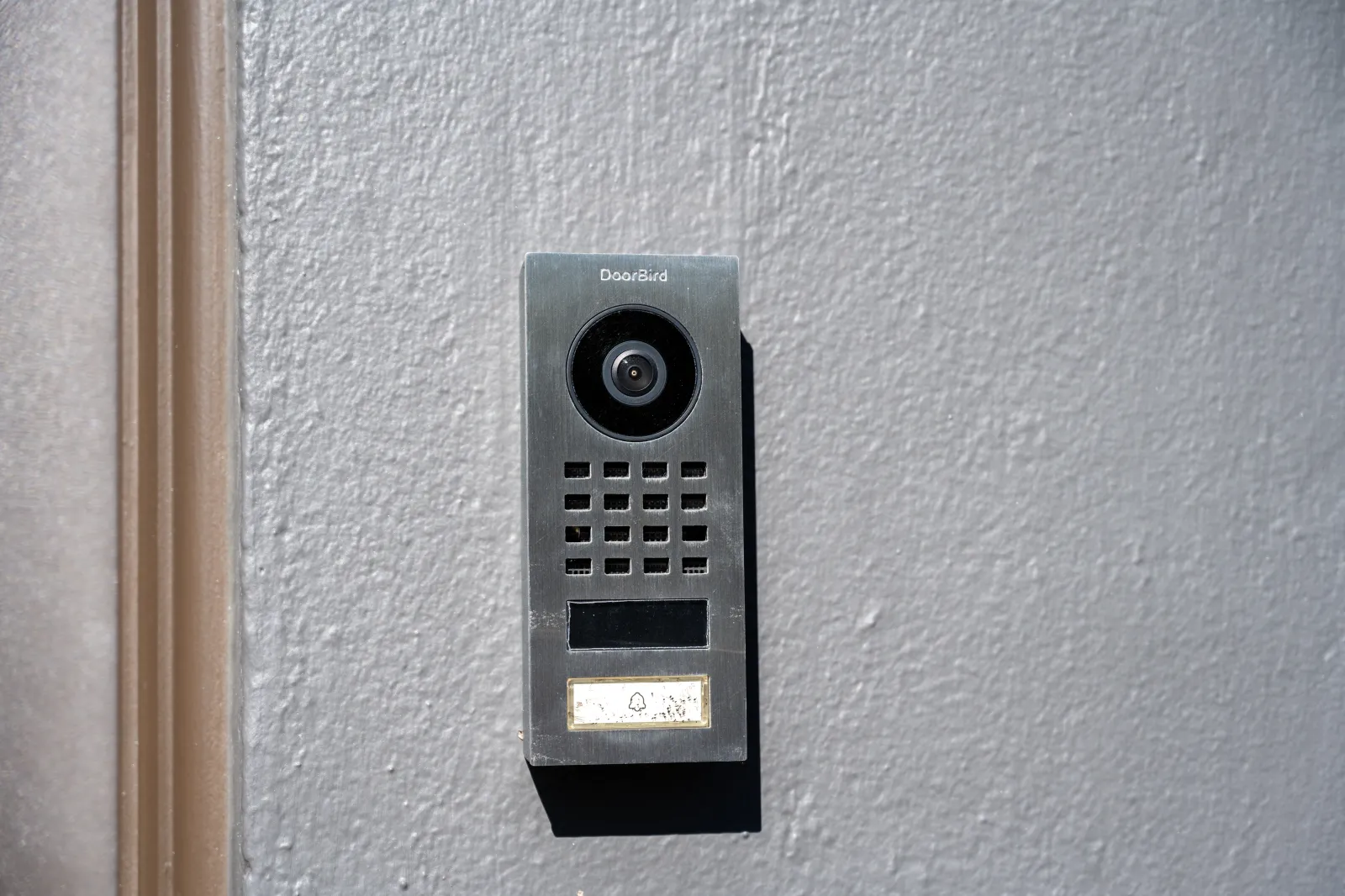
"Modern smart doorbells capture crystal-clear audio 50 feet away from the front door," says Greg Field, a specialized Solar Home Realtor® with HomeSmart Realty Pros in Tempe, AZ, as reported by realtor.com.
"From the moment you arrive to the house, consider yourself in a reality show."
Newsweek contacted the National Association of Realtors via email on Saturday for comment.
Why Are Sellers Using Surveillance?
The most common reason sellers gave for using cameras was for protection (61 percent ) as many sellers acknowledged using cameras to keep tabs on potential buyers as they walked through their homes.
Other reasons included to learn what buyers liked or disliked about the property, with 19 percent saying they wanted insight into visitors’ reactions. At least 18 percent said they used cameras to gain an advantage regarding buyer’s interest or hear what their real estate agent said about the property (6 percent).
"Homebuyers today should just assume everything they say or do is being recorded when they are looking at homes and plan accordingly," says Cara Ameer, an agent with Coldwell Banker who is licensed in California and Florida, as reported by realtor.com. "The seller is likely watching from somewhere."
LendingTree’s Matt Schulz agrees: "Assume you’re on camera the moment you walk through the front door," he says. "Whether you like it or not, that’s the safest assumption. With that in mind, it makes sense to wait until after you’ve left the property to have any conversations that you wouldn’t want heard by the seller."
Some Buyers Would Walk Away If They Were Secretly Recorded
For buyers, the possibility of being watched can change how they approach a showing.
Real estate agents often advise clients to be careful about what they say inside a property because they may not know whether cameras or recording devices are present. Buyers who once felt comfortable openly discussing whether they liked a home or how much they might offer may now choose to save those conversations for outside the property.
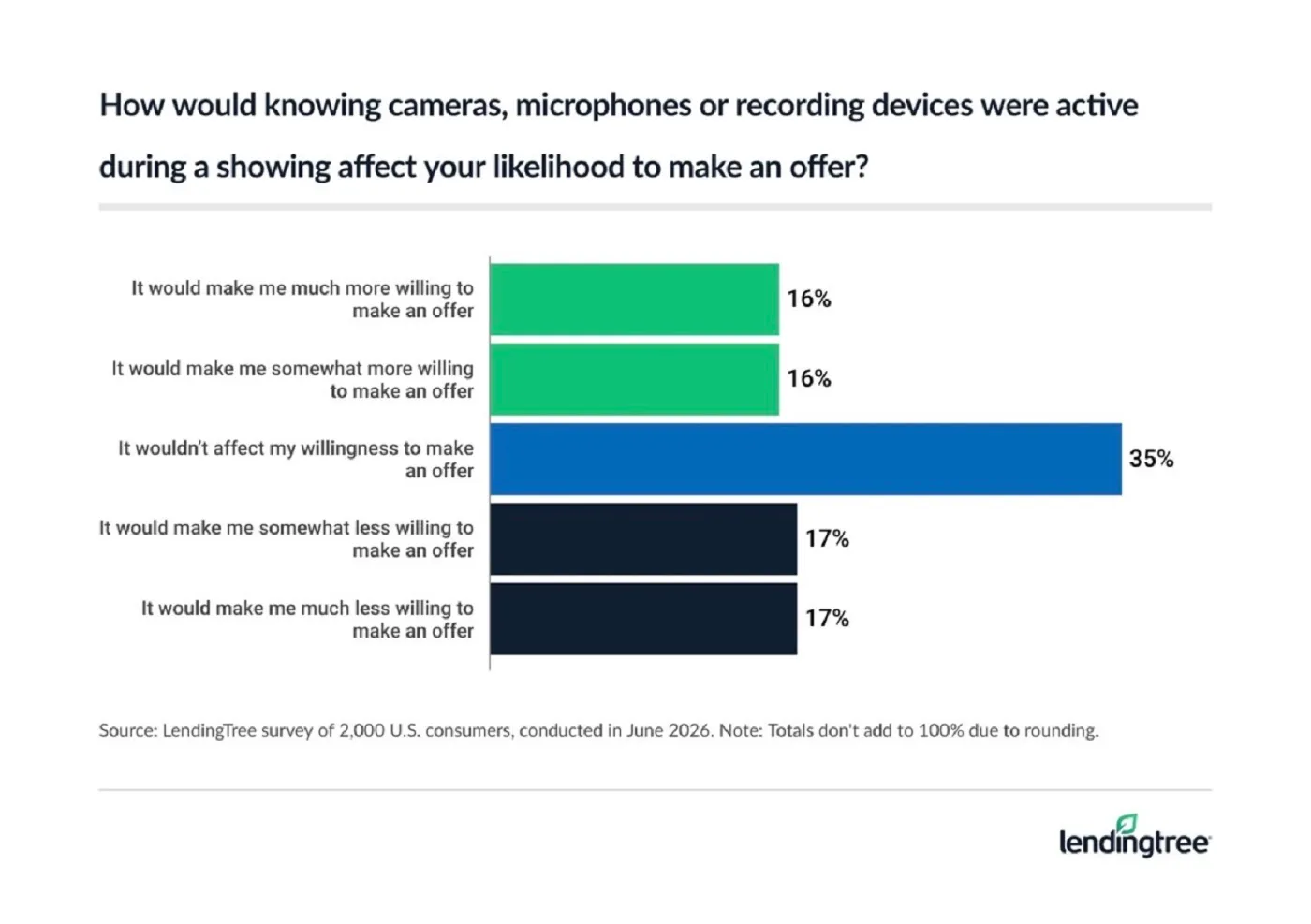
Cameras can create a sense of discomfort among buyers, with 19 percent saying they have left a showing or open house because they felt they were being watched and 18 percent saying they decided not to make an offer.
According to the survey, 64 percent of recent buyers say they’re concerned about sellers watching, listening to or recording them during home tours. More than 1 in 5 recent buyers say they avoided discussing their budget or offer strategy (22 percent), hid their excitement about a home (22 percent) or avoided saying what they disliked (21percent) because of concerns about being recorded, LendingTree reported.
Added to that, 34 percent of Americans say knowing recording equipment was used during a showing would make them less likely to submit an offer.
Are Home Sellers Allowed to Record Buyers?
The privacy concerns could also have real consequences for sellers. Whether sellers can legally record home tours depends on where the property is located and what is being recorded.
"Video recording inside the private home is a common practice. Audio is a dangerous legal minefield," says Field, as reported by realtor.com.
"If the buyer or showing agent does not know that the microphone is recording everything they say, there is no consent from any party in that room. That is not only a violation of the real estate ethics code, but it also becomes a possible wiretapping case."
Video surveillance is generally treated differently from audio recording. Many states have stricter rules around capturing private conversations without consent, meaning sellers who record sound may face different legal considerations than those using cameras without audio.
Real estate professionals often recommend that sellers disclose surveillance devices and that buyers assume any conversation inside a home could potentially be overheard.
For buyers, the safest approach may be to save detailed discussions about price, negotiating strategy and impressions of the property until after leaving the home.
In an increasingly connected housing market, the open house may no longer be just a chance for buyers to inspect a property—it may also be a chance for sellers to inspect the buyers.