 6 days ago
36
6 days ago
36
An unexpectedly weak jobs report this week suggests that all bets that the Federal Reserve will increase its interest rates this year are off, a sudden shift that could give some relief to homebuyers bracing for even higher mortgage rates—but at a cost.
U.S. employers cut 23,000 jobs in July and hiring in previous months was revised sharply down, according to the latest data by the Bureau of Labor Statistics, with employment declining nationwide in local government, education, and retail trade.
It was overall a much more downbeat report than analysts were expecting, which suggests that the labor market is weaker than previously thought.
"The magnitude of the payroll miss suggests the labor market may be losing momentum and can no longer be considered the pillar of strength," Charlie Ripley, senior investment strategist for Allianz Investment Management, said in a statement shared with Newsweek on Friday.
"This report squarely puts the spotlight back on the employment side of the Fed’s mandate. The Fed is unlikely to ignore this signal, and, if anything, it raises the bar for any Fed rate increases heading into the fall," he said.
What the Jobs Report Means for Mortgage Rates
The loss of 23,000 jobs is "another reason the Fed was right to hold off on raising rates in July," Jamie Cox, managing partner for Harris Financial Group said in a statement shared with Newsweek on Friday.
In late July, the Federal Reserve decided to keep interest rates unchanged, as broadly expected, between 3.5 percent and 3.75 percent, even as concerns over inflation continuing to rise in the coming months persists as the war in Iran goes on. New chair Kevin Warsh said that the central bank will try to bring down inflation to its target of 2 percent, but admitted that it might take time.
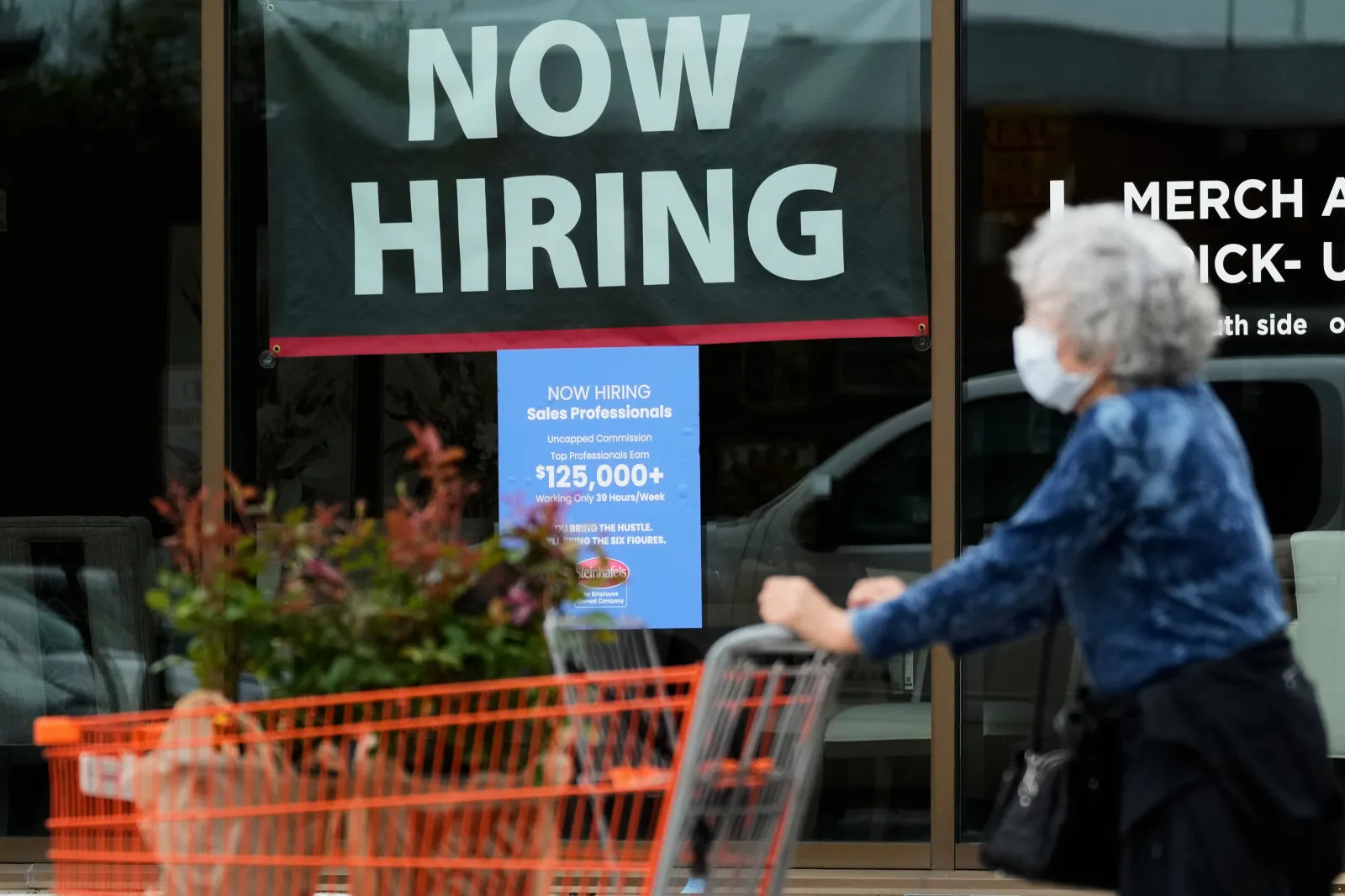
Cox thinks that the poorer-than-expected jobs report this week reflects a temporary weakness in the labor market, but its softening "remains one of my biggest concerns for the economy," he said.
If the labor market remains weak, it would make it less likely for the Fed to hike its key rate later this year.
"The decline in the unemployment rate will complicate the Fed’s decision process because the economy appears to be at full employment. But, the broad slowdown in hiring will add support for those arguing to keep rates unchanged at next month’s Fed meeting," Jeffrey Roach, chief economist for LPL Financial, said in a statement shared with Newsweek.
While the Fed does not set mortgage rates, it has an indirect influence on them, as its decisions play a significant role in the percentages lenders offer borrowers purchasing a home. Both 15- and 30-year fixed mortgage rates follow the lead of long-term Treasury yields, which respond to the Fed’s decisions on the federal funds rate.
Essentially, if the Fed decides to increase interest rates to curb the potential rise of inflation later this year, mortgage rates are also likely to climb even further up. Its possible concerns over a continuously weak job market, however, could mean that the central bank will continue to press pause on increasing rates.
"Before today, many were expecting that the Fed had no choice but to raise rates in order to fight stubbornly high inflation, because the job market was so strong, but this report shows that isn’t the case," Chris Zaccarelli, chief investment officer for Northlight Asset Management, said in a statement shared with Newsweek.
The Fed’s next decision-making meeting is set for September.
What This Means For Homebuyers
As the Fed’s timeline on rate hikes is likely being pushed forward by the latest jobs report, the data bolsters "the case for cuts," Realtor.com senior economist Jake Krimmel said in a statement.
Anything other than a rate hike is likely good news for homebuyers, meaning that mortgage rates are unlikely to climb further than they already are as a result of the war in Iran. A pause would be good, a cut even better.
But it all comes at a cost for homebuyers: a weaker jobs market means less confidence to buy. Even if mortgage rates stop rising, people are less likely to make a 30-year commitment if they are worried about layoffs, hiring is slowing, wage growth is weakening, or the economic outlook looks uncertain.
A softer labor market could improve financing conditions while reducing demand from would-be buyers at the same time. The housing market would only benefit from the current situation if the labor market’s weakness remained modest.
According to Realtor.com data, the housing market had "a calmer July than the labor market, though there were some signs of a summer slowdown as well," Krimmel said.
Sellers, which outnumber buyers by the thousands nationwide, "kept pricing more realistically, pending sales continued to beat last year’s pace (though that lead is narrowing), and homes spent a day less on market than they did a year ago," Krimmel explained.
"Friday’s messy jobs print doesn’t change that story, but it does underscore that labor market momentum, on average, isn’t providing any outsized added support to housing demand right now."
As things are, both the Fed and U.S. would-be buyers seem to be embracing a wait-and-see approach. As of this week, the 30-year fixed-rate mortgage averaged 6.69 percent, according to Freddie Mac, up from 6.66 percent last week.
The annual inflation rate fell to 3.5 percent in June from 4.2 percent in May, reporting the first decline in five months. In an update issued on Wednesday, the Federal Bank of Cleveland’s inflation "nowcasting" model projected that core inflation increased about 0.2 percent in July and about 2.5 percent for the 12 months ending in July.
We will have to wait until BLS publishes its July inflation report next week, on August 12, to know if inflation actually increased last month.
Contact Newsweek editors on this story: Matthew Robinson and Trevor Davies