 1 week ago
39
1 week ago
39
Six months after Nancy Guthrie disappeared from her Arizona home, the release of two purported ransom notes has offered the public its fullest look yet at messages linked to her suspected abduction—but there are still some central questions left unanswered.
The first note, sent to a Tucson television station on February 2 and addressed to Guthrie’s daughter, Today co-anchor Savannah Guthrie, demanded $4 million in bitcoin and contained a threat to kill the 84-year-old if the money was not paid. It cited details from Guthrie’s home—including a white smartwatch near her bed and a damaged backyard floodlight—that suggested its author had knowledge of the scene.
A second message, sent four days later and addressed to the Guthrie family, claimed she had died shortly after being taken, possibly because of a heart condition, and had been "buried in nature."
Newsweek obtained both ransom notes.
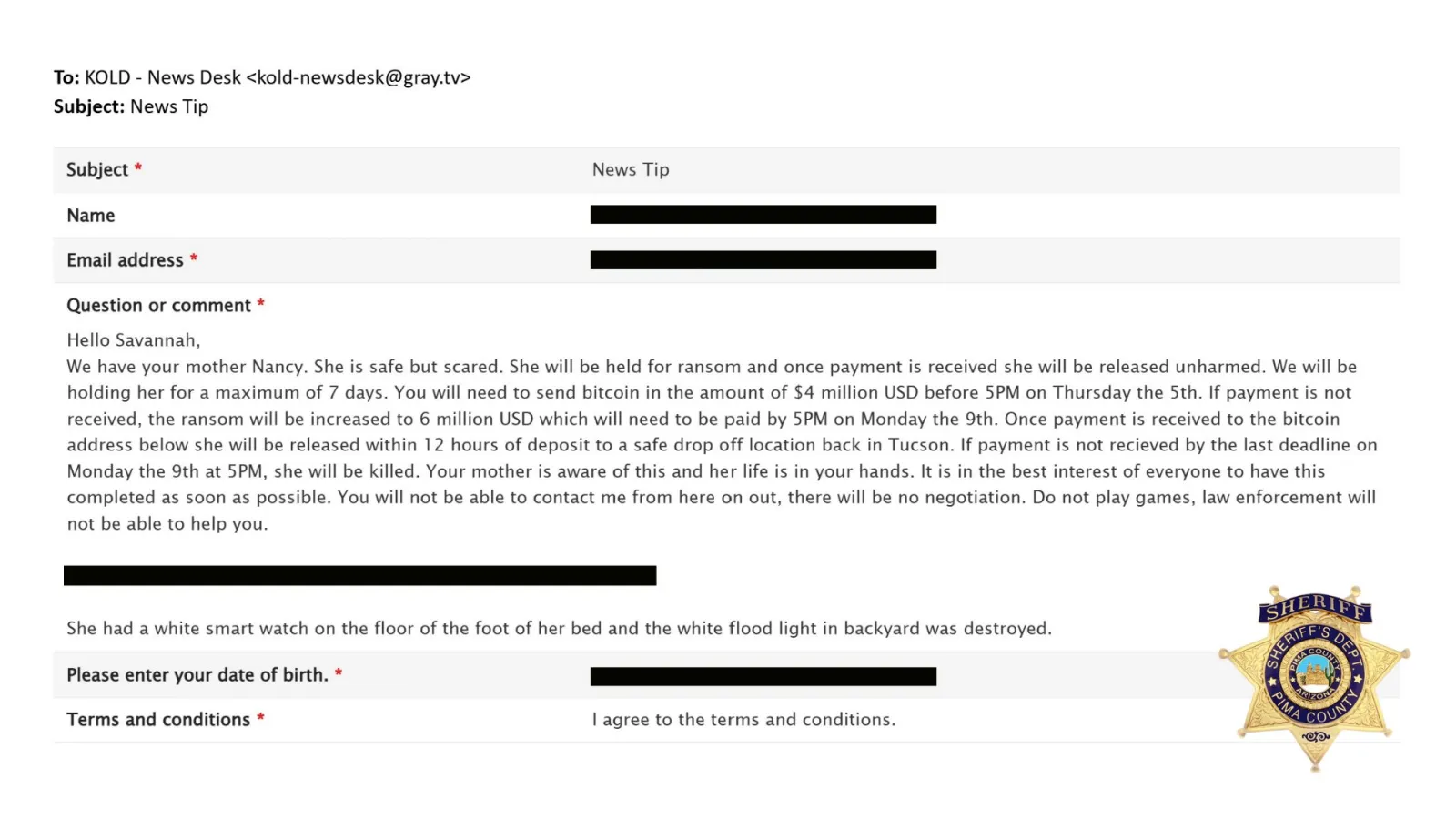
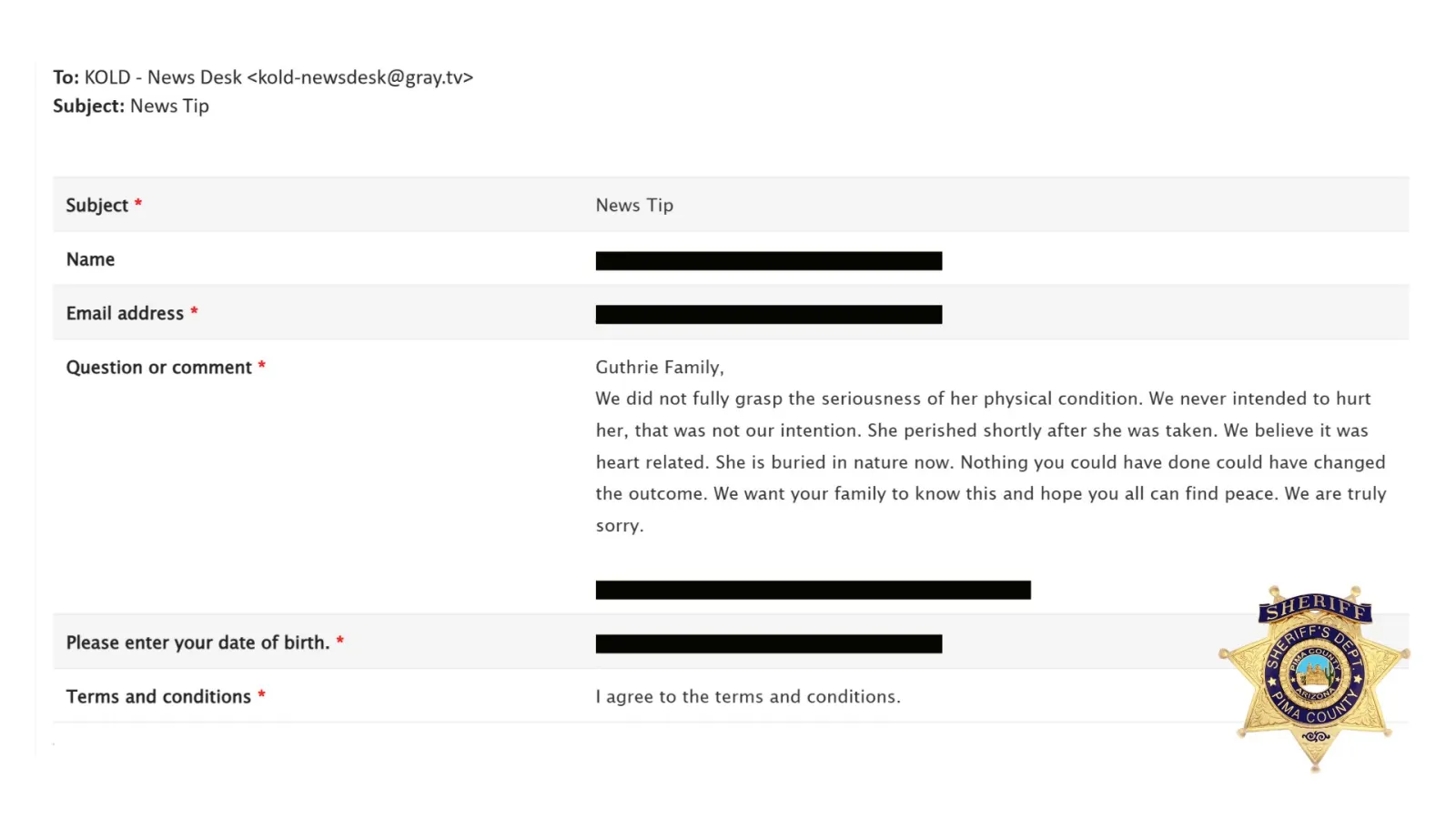
The Pima County Sheriff’s Department said the notes contained distinctive patterns in their wording, syntax and phrasing that someone familiar with the writer might recognize. Sheriff Chris Nanos said their release could prompt a member of the public to identify the style or recall hearing similar language.
Savannah Guthrie spoke out after notes became public, repeating the family’s appeal for help, saying someone might recognize the writing and urging anyone with information to come forward.
Below, Newsweek examines four unresolved questions about the notes’ authenticity, language, authorship and possible connection to a man in surveillance footage, drawing on statements from investigators and analysis by a former FBI agent, a forensic psychologist and a journalist who has covered the case.
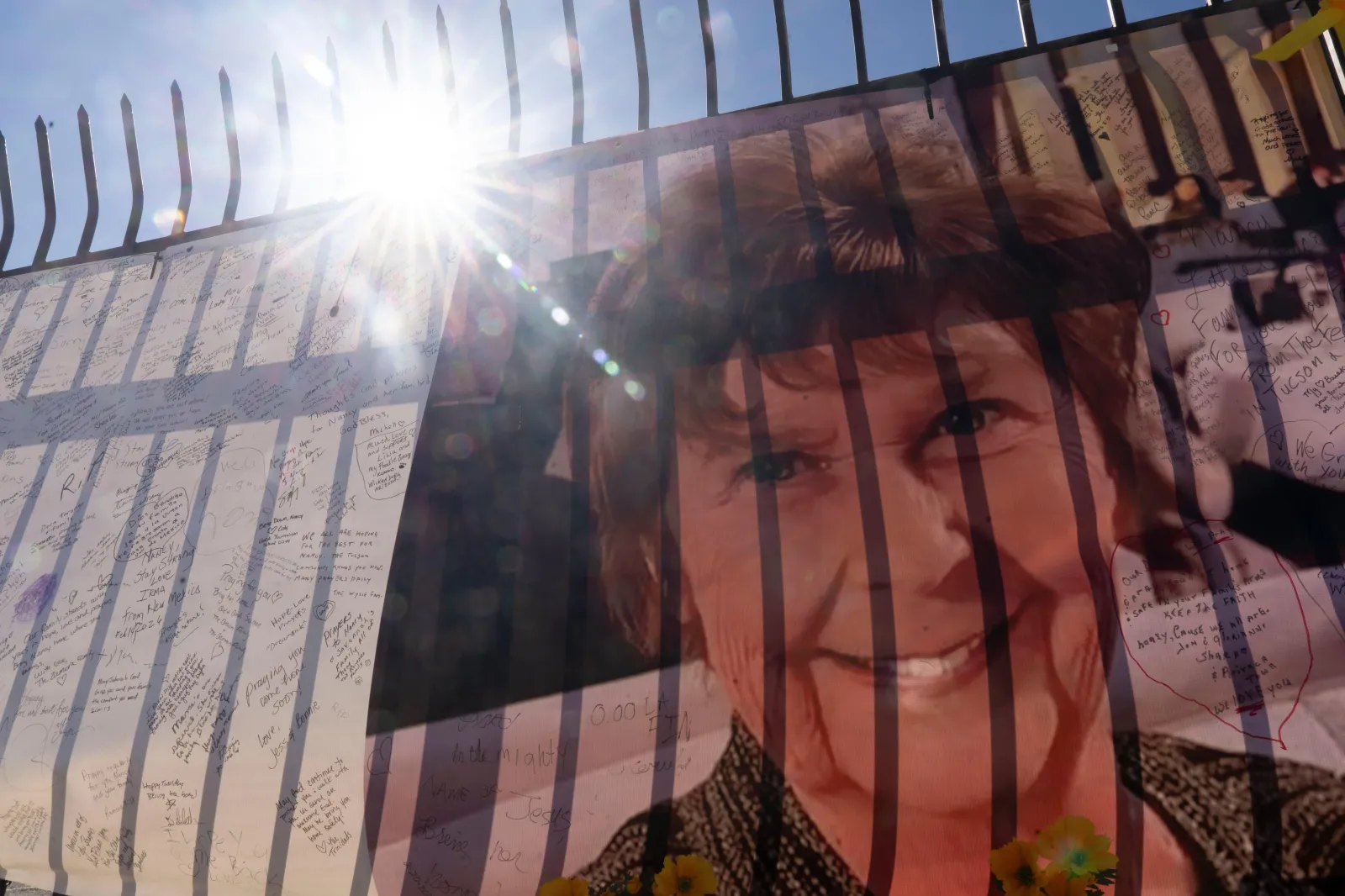
Are the Notes Real?
The Pima County Sheriff’s Department has not said whether it believes the notes are authentic. In releasing them, the department said the two messages, that were sent to media outlets "purport to have been written by kidnappers." It nevertheless said the communications offered "valuable insight into the person’s mindset, motives, and the evolution of their tone over time."
Savannah Guthrie appears to believe the notes are real as she said in a social media post on Saturday: "Someone suspects something. Someone recognizes the writing in the ransom demand notes. Someone has noticed something different, strange, troubling or just unusual—perhaps with someone they deeply love. Perhaps they are afraid to come forward. Perhaps they are conflicted. Perhaps they are angry or upset for being in this situation. There is a way out—to tell what you know. You can do so anonymously. The reward is available. There is a way to end this situation and do the right thing…Please. Bring her home."
Guthrie said in a March interview that she believed two notes received by her family were genuine, among others she thought were fake. But it is not clear whether these are the same two messages later released by the sheriff’s department.
NewsNation senior national correspondent Brian Entin, who has covered the case in detail from the start, said the letters "feel legit" because of the details included in the first message.
"That last line, knowing that the watch was on the ground near the bed—and knowing that the floodlight was busted out—if it wasn’t for that, you’d just think, ‘OK, maybe these are fake,’" Entin said.
"But those are some legit details, and I think the fact that they’re releasing these letters and asking people to look at them closely and look at all of the verbiage also shows that the FBI is leaning to believe that they’re legit."
What Can the Notes’ Language Tell Investigators?
The Pima County Sheriff’s Department asked the public to examine the notes for language that might identify their author, saying the messages contained "distinctive patterns of word choice, syntax, and phraseology."
The department said those characteristics reflected the writer’s "unique linguistic style" and might be recognizable to a friend, relative, coworker, classmate or acquaintance. It also said changes in the tone of the two messages could offer insight into the author’s mindset and motives.
Sheriff Chris Nanos later said investigators hoped someone might recognize "the wording" or "the style of the writing" and think about who could have produced it. Authorities have not publicly identified a writer or said whether artificial intelligence or translation software was used.
Former FBI Special Agent Jennifer Coffindaffer said she believes the notes were generated using artificial intelligence because "the phrases are awkward, the words that are used are awkward" and the phrasing is "very pattern-driven."
"This is AI, which tells me they’re smart," Coffindaffer told NewsNation.
Coffindaffer also said she was "not convinced" that English was the author’s first language. She suggested someone could have written a prompt in Spanish and used an AI tool to produce similar English-language text.
Entin agreed that the "awkward phrasing" in the notes may be because the writers are not native English speakers.
Did the Same Person Write Both Notes?
Authorities have not publicly confirmed whether one person composed both messages. The Pima County Sheriff’s Department referred to the notes’ "writer" in the singular and said the communications showed an evolution in tone over time.
CBS News, citing investigators familiar with the case, reported that both were sent from the same IP address. That could connect the messages to the same device or internet connection, but it does not establish who wrote them.
Coffindaffer was asked on NewsNation whether the sharply different tones suggested different authors. She argued that the messages were written for "different reasons."
"That second note is self-serving," Coffindaffer said. "I don’t call it a ransom note. I call it an apology note, because they know if they get caught, they’re facing the death penalty if she is indeed deceased."
Forensic psychologist Dr. Gary Brucato disagreed, telling Entin on his show Brian Entin Investigates that the change in tone suggested "two different people who are experiencing some kind of rupture in terms of their attitude about what happened."
Brucato theorized that this possible division could explain why authorities have appealed directly to those responsible: Investigators may hope to reach a more remorseful or sympathetic participant.
Doorbell-camera footage from Nancy Guthrie’s home, released in March, shows an armed, masked man apparently tampering with her front-door camera around the time she disappeared.
Authorities have said two recovered recordings may have been captured on separate days, suggesting the man could have visited the property earlier and "took steps to prepare" for the night of January 31 into February 1.
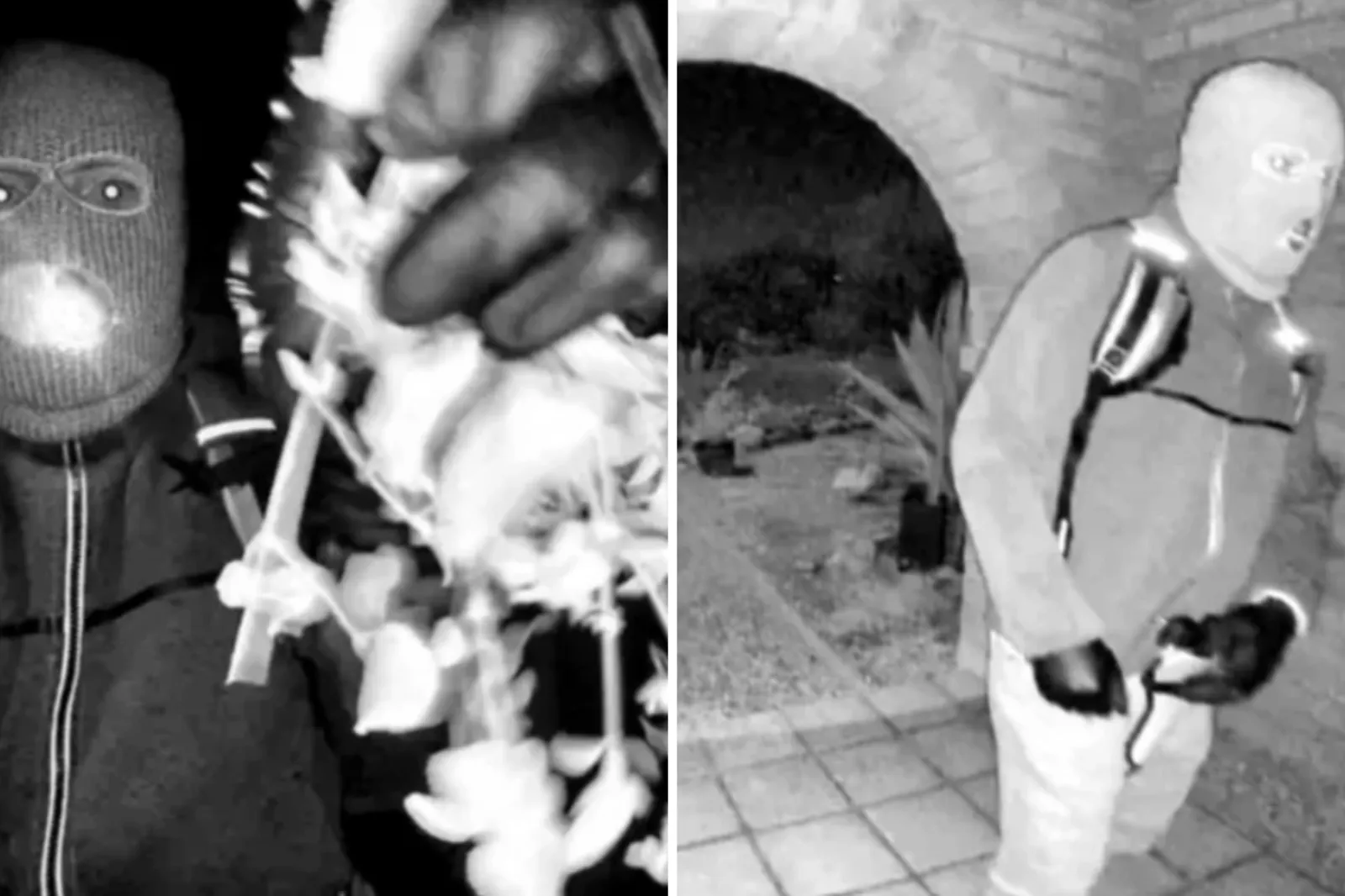
Brucato told Entin that he did not believe the man in the footage, who he referred to as "porch guy," wrote either message. He theorized that the man was "some sort of goon" used to create the appearance of an outside attacker who had never met Guthrie and had been brought in to "do the dirty work."
Brucato said the first note appeared to have been written by someone "more intelligent" than the man shown in the footage and who seemed "much more scheming and manipulative."
The second note, he said, had "a more emotional quality" and might have come from someone who knew Savannah Guthrie, felt some sympathy for the family or wanted to distance themselves from what had happened.
"I think these are three different people who are involved to different degrees," Brucato said.
He theorized that the case would ultimately reveal "a person who did the deed," whom he identified as the man in the footage, and "at least two people with different psychologies and motives" operating behind the scenes.
Contact Newsweek editors on this story: Tobias Meyjes and Tony Phillips.