
 1 week ago
37
1 week ago
37
Many parents assume they would immediately recognize if their child was depressed, believing sadness would be the clearest sign. But according to one clinical psychologist, depression in children and teens can look very different from depression in adults.
Newsweek spoke to Dr. Carolyn Spiro, a clinical psychologist specializing in parenting and child and adolescent mental health, about the warning signs parents should be aware of.
"Depression can present quite differently in children and teens than it does in adults," she said.
Nearly 1 in 5 children ages 3 to 17 (21 percent) had ever been diagnosed with a mental, emotional, or behavioral health condition in 2021, according to the Centers for Disease Control and Prevention (CDC).
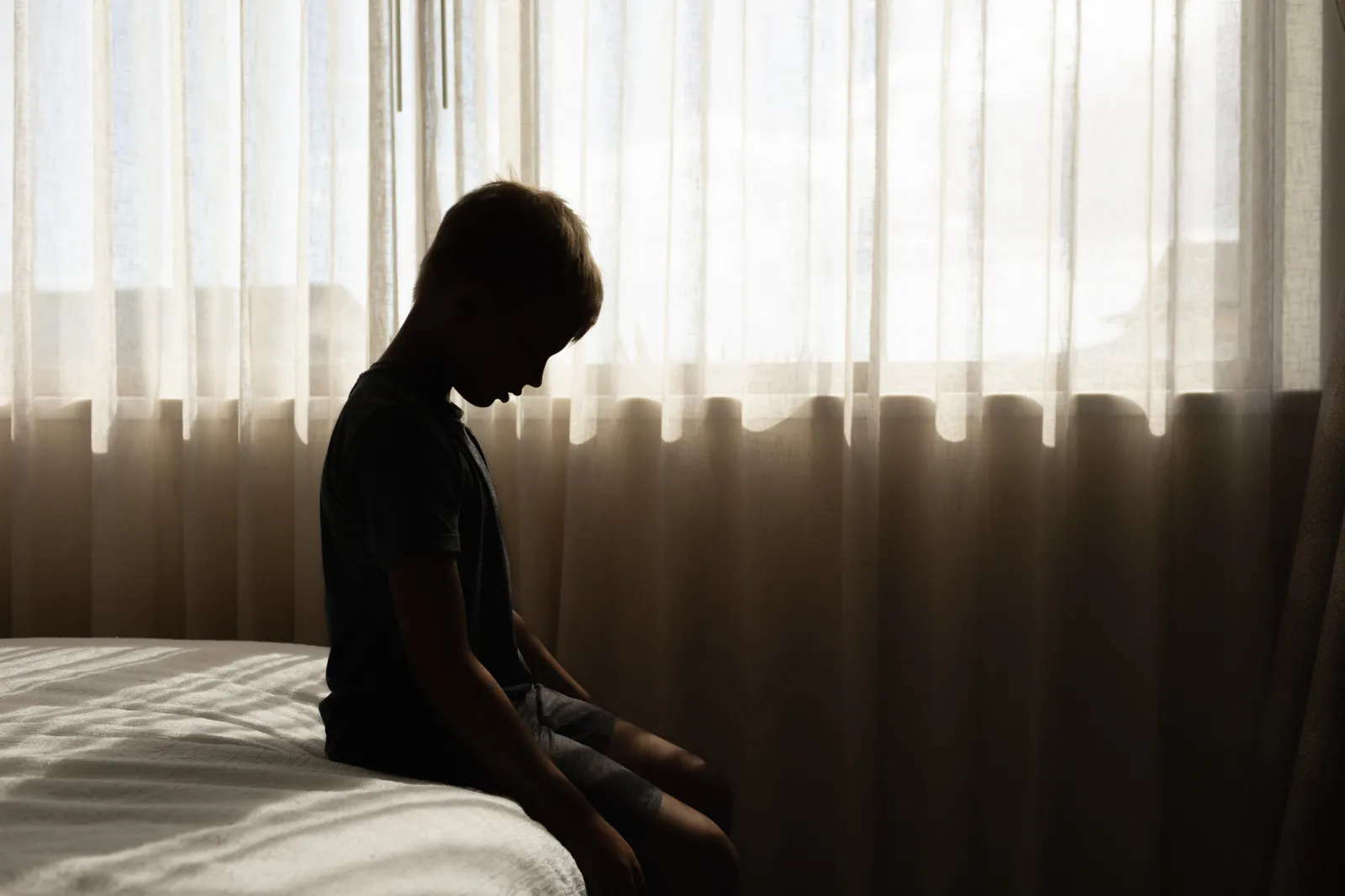
Irritability Can Be a Key Warning Sign
Spiro, who is based in New York, told Newsweek that the primary sign of depression in young people is not necessarily sadness.
Spiro said one of the most important clues that a child may be struggling is a noticeable change in mood or behavior.
"If parents notice that their typically easy-going child suddenly becomes much crankier than usual, more oppositional, more tearful, or has reactions that seem out of proportion to everyday situations," she said.
Spiro previously served as a clinical assistant professor at the NYU Child Study Center and now owns her own private practice. She shared several signs that may indicate a child or teenager is experiencing depression.
Signs Parents Should Look Out For
Parents should be aware of the following potential warning signs:
- Withdrawing from friends or isolating themselves.
- Losing interest in activities they once enjoyed, such as riding a bike or drawing.
- Moving or talking more slowly than usual.
- Feeling very tired or lacking energy.
- Sleeping poorly or sleeping much more than normal.
- Eating significantly more or less than usual.
- Having difficulty focusing.
- Appearing less motivated at school.
- Experiencing a decline in grades or school performance.
- Turning to alcohol or drugs as a coping mechanism, particularly among older children and teens.
When Parents Should Seek Help
Spiro stressed that all children and teenagers experience bad moods from time to time. The key difference is whether symptoms persist.
"A diagnosis of depression typically requires symptoms to be present for at least two weeks, parents don't need to wait to seek professional guidance if they are concerned," she said.
She said parents should seek help if symptoms are causing significant distress to the child or family, interfering with school, friendships, family life or daily functioning, or if a child expresses hopelessness or thoughts of wanting to die.
"Early intervention for depression can make a huge impact on a child's treatment outcome," she concluded.
Contact Newsweek editors on this story: Charlotte Nisbet and Emma Lee-Sang