 1 hour ago
8
1 hour ago
8
Four Republican-led states will give voters the chance to cut or roll back property taxes this November, in an attempt to respond to years of hikes which have made the bills an unbearable financial burden for many homeowners across America.
These states—Florida, North Carolina, Oklahoma, and Wyoming—are a few where efforts to reform property taxes succeeded in getting on the ballot, whereas similar proposals in other states—including Missouri and Nebraska—reached a dead end or were killed over the past year.
If voters will support efforts to give relief to homeowners in these four states, the nationwide fight against property taxes waged by Republican lawmakers is likely to be bolstered. If they reject it over concerns of their impact on funding for local services, opponents would be vindicated and the fight against property taxes might be forced to take a step back.
The Red States’ Fight Against Property Taxes
Housing costs have been spiraling since the pandemic, when historically low mortgage rates and the rise of remote work triggered a nationwide home-buying frenzy. As home values shot up, property taxes followed.
Average annual property taxes for single-family homes surged 30 percent since 2019, according to the Institute on Taxation and Economic Policy (ITEP), with homeowners paying a median of $3,119 a year, or $260 a month—as of 2024, based on an estimate by LendingTree.
Last year, according to estimates by property data company ATTOM, the average single-family home, with an estimated value of $494,231, generated $4,427 in taxes—up 3 percent from a year earlier. In some states, homeowners have faced even higher increases and are paying much higher bills.
Nationwide, the effective tax rate for single-family homes was 0.9 percent last year, up from 0.86 percent in 2024 and the highest since 2020, when the national effective tax rate was 1.1 percent.
Responding to homeowners’ reported struggles to keep up with higher property tax bills, especially seniors on fixed income, lawmakers across the country—but especially in Republican-led states—have tried to offer them some sort of relief, even as experts and local authorities expressed concerns over the resulting loss in revenues for local governments.
The Proposals on the Ballot in November
States are approaching the problem of higher property taxes with different solutions.
The proposals for relief that will be on the ballot in Florida and Wyoming in November offer the largest direct tax cuts, while Oklahoma is giving voters the option to tighten existing assessment-growth limits, and North Carolina is trying to make it a requirement for lawmakers to create future caps on property tax increases.
Florida
In Florida, voters will decide on a constitutional amendment (known as Amendment 3) that would dramatically expand the homestead exemption for primary residences.
The proposal would increase the exemption on nonschool property taxes from its current level to $150,000 in 2027 and $250,000 in 2028, while also reducing the cap on annual assessment increases for non-homestead properties from 10 percent to 5 percent.
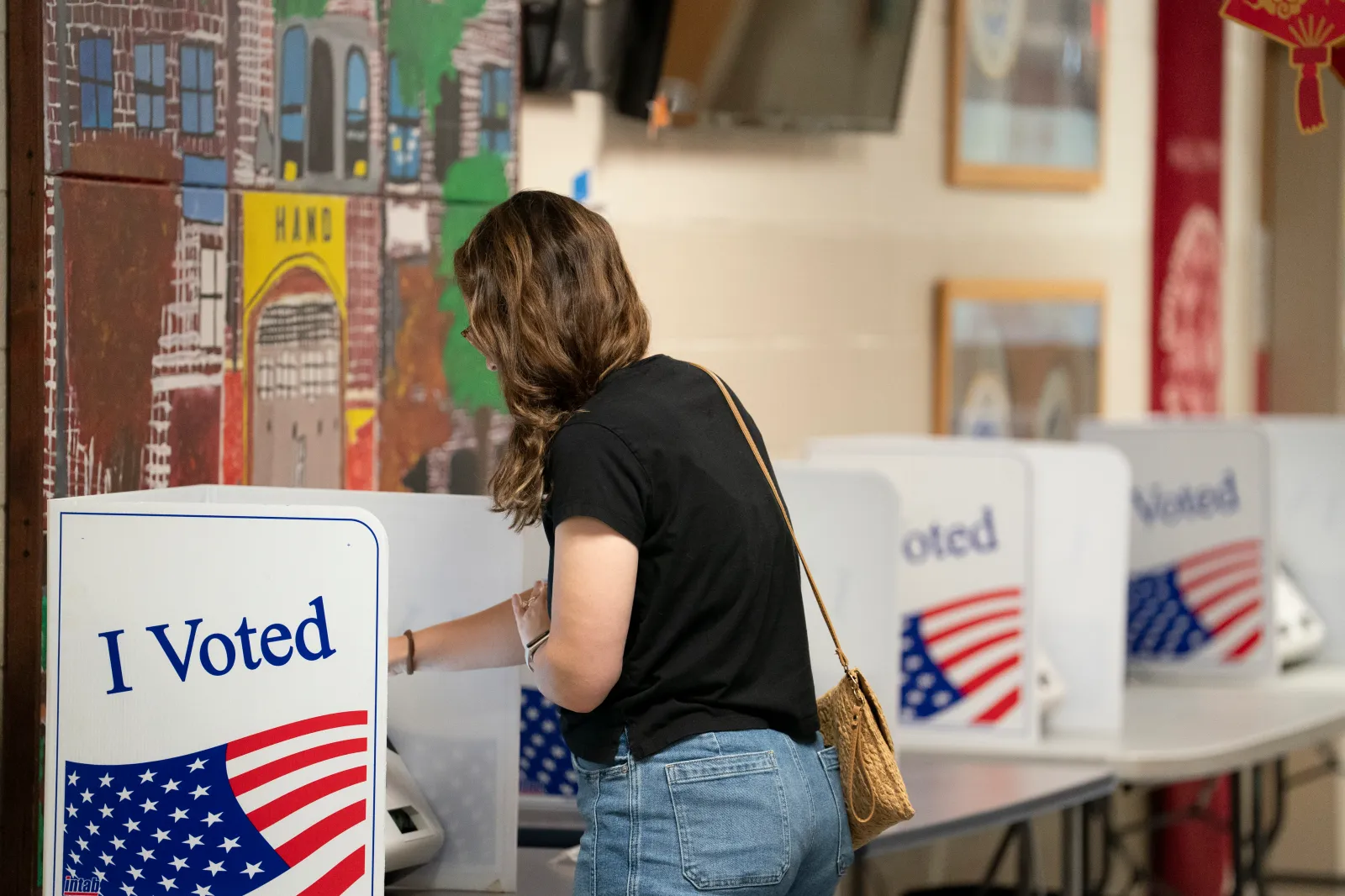
The proposal, which has already been engulfed in legal battles over its "misleading" language, as a judge concluded, has been criticized by many experts and local leaders who argue that it would significantly cut local government revenue and threaten key services such as law enforcement.
Legally, a constitutional amendment in Florida needs the backing of at least 60 percent of voters to be introduced.
North Carolina
The proposal on the ballot in North Carolina would amend the state constitution to require the General Assembly to enact laws limiting how much property taxes can increase.
The amendment itself does not set a cap or formula, leaving those details to lawmakers. Supporters say it would protect homeowners from steep tax hikes, while critics argue it could drastically cut local government funding and harm public services.
Oklahoma
Oklahoma voters will be asked in November whether to tighten existing limits on annual increases in taxable property values.
The proposal would lower the cap on assessed-value growth for homesteads from 3 percent to 1.75 percent and for most other properties from 5 percent to 4 percent.
Supporters say it would provide predictable tax relief amid rising home values; opponents warn it could constrain funding for schools and local services.
Wyoming
Wyoming’s property tax relief proposal is the first citizen-initiated measure to be on the ballot in the state in three decades, according to Ballotpedia.
The measure would create a 50 percent property tax exemption on a homeowner’s primary residence. Eligible homeowners would pay taxes on only half of their home’s assessed value.
Supporters frame it as relief for homeowners and retirees facing rising tax bills, while opponents raise concerns about the loss of revenue for local governments and schools.
The reform, if passed, would give Wyoming homeowners additional relief after the state’s Republican-led legislature and governor already introduced a 25 percent property-tax exemption on the first $1 million of a primary home’s fair-market value.
Contact Newsweek editors on this story: Ben Kelly and James Debens