 1 week ago
37
1 week ago
37
For years, Saudi Arabia’s Public Investment Fund (PIF) has displayed a clear investment strategy: buy up teams, launch new leagues, and host as many high-profile tournaments as possible to make the Kingdom a global sporting powerhouse.
Now, just as the Iran war has exposed the vulnerability of a portfolio tied to stadiums, race tracks and teams, the strategy has changed.
PIF announced earlier this year it was pulling its funding from LIV Golf, its multi-billion-dollar initiative to tempt top golfers from the PGA Tour. That came amid the sale of a 70 percent stake in Saudi’s top football club Al-Hilal, and Riyadh walking away from plans to host the Asian Winter Games and the Rugby World Cup.
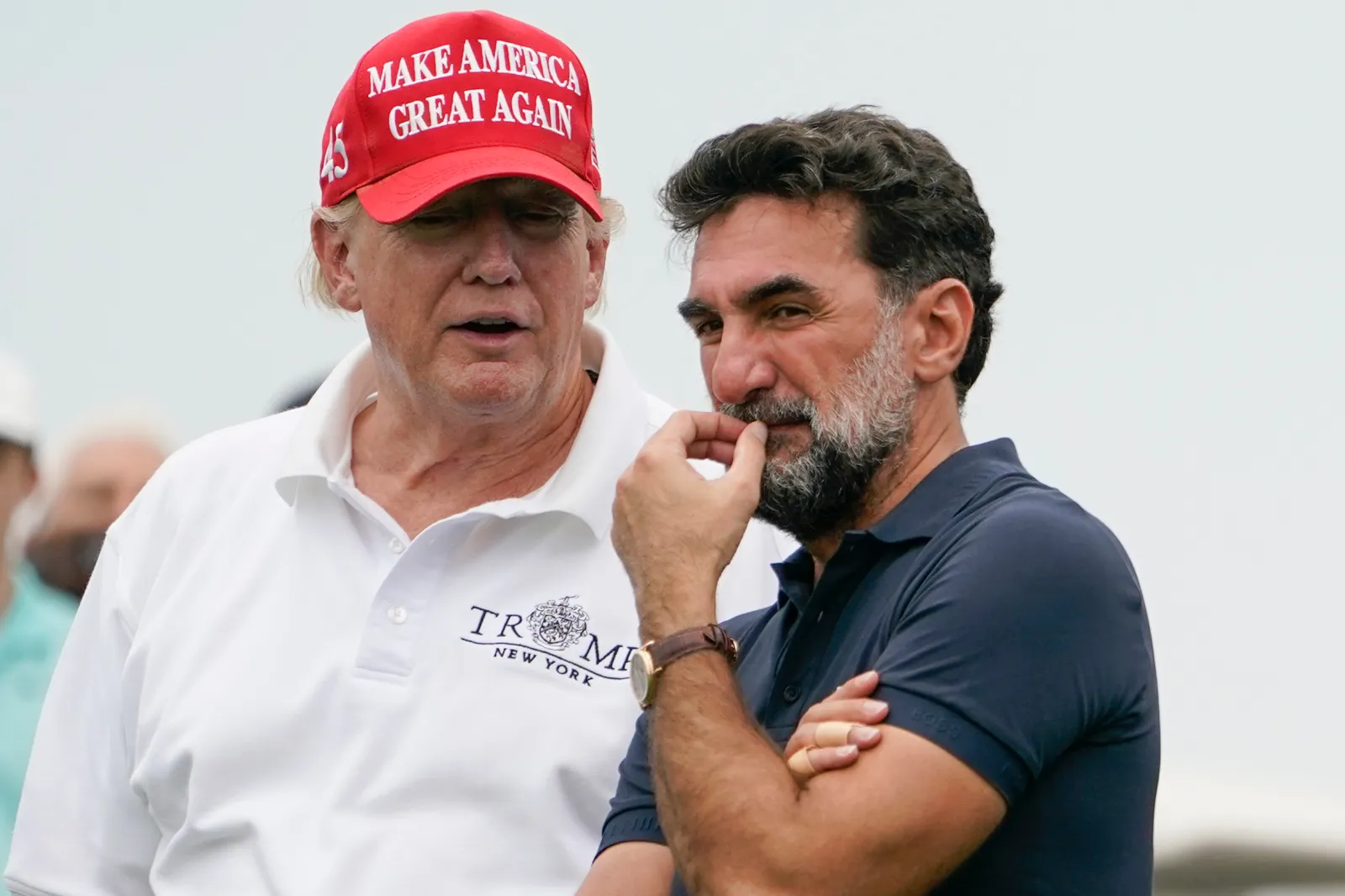
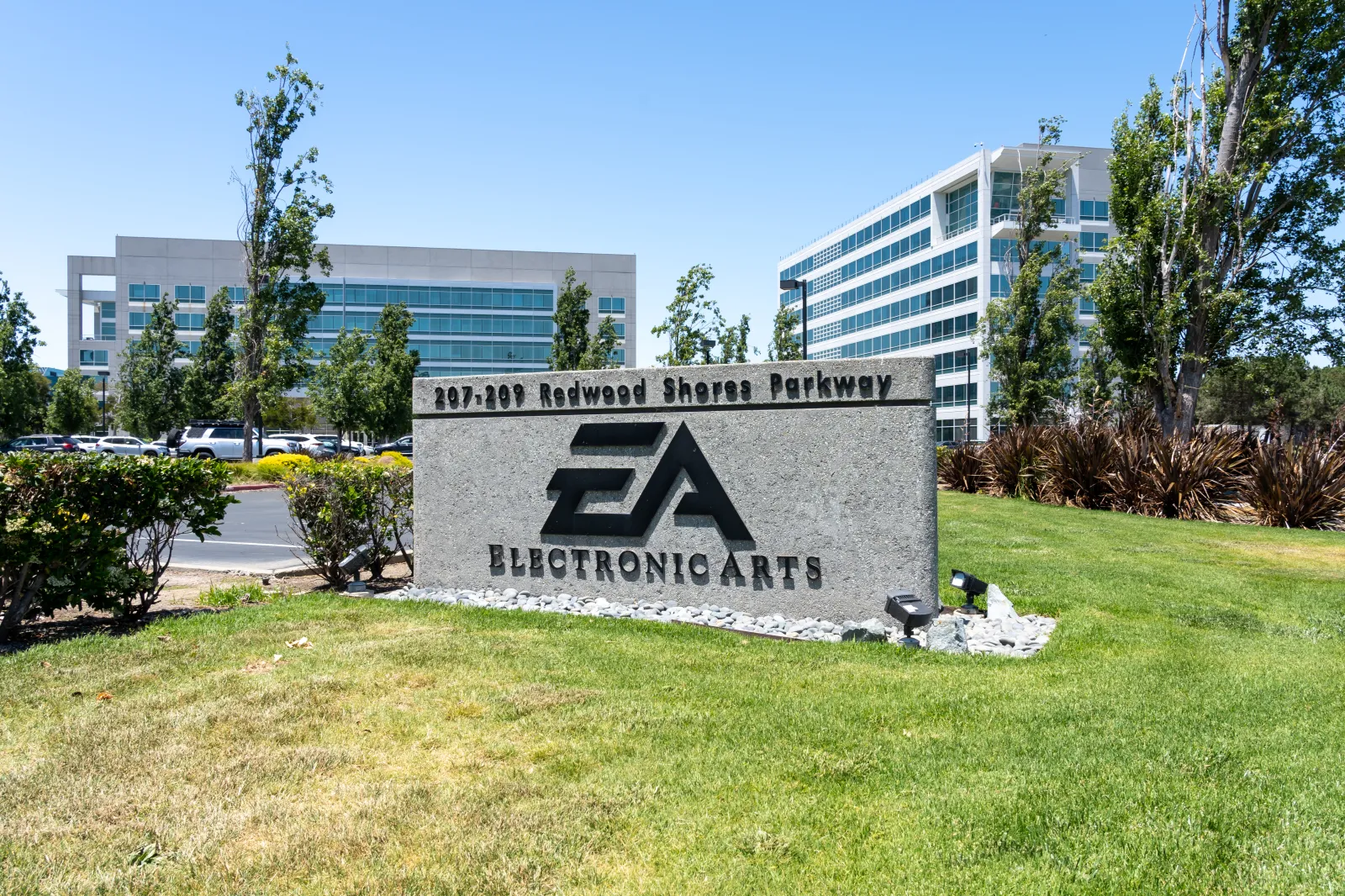
But this is not a retreat. This week, a PIF-led investment consortium—including Jared Kushner’s Affinity Partners—sealed a $55 billion takeover of Electronic Arts (EA), a globally renowned video game developer of almost all leading sports games, including Madden NFL.
For all Saudi Arabia’s influence over soccer, golf, boxing and Formula One, PIF has never owned an NFL franchise. Now, as Drew Brees and Larry Fitzgerald prepare for their Pro Football Hall of Fame inductions and a new season awaits, its sovereign wealth fund has found another route into America’s favorite sport.
Who needs to own one NFL team when you control the company licensed to put all 32 teams, their uniforms and star players into millions of homes via gaming—and record what those fans buy and how they play?
From Game Day to Every Day
Saudi Arabia's big bet on sport is a key pillar of Vision 2030—the Gulf state’s grand strategy to diversify its economy away from reliance on oil revenues while cultivating a new kind of geopolitical leverage. Critics lambast the approach as "sportswashing", a way to divert attention from the country’s shaky human rights record.
The strategy has certainly succeeded in buying attention. Saudi Arabia retains the rights to host the 2034 FIFA World Cup and remains heavily involved in soccer, boxing, mixed martial arts and motorsports.
But there are limitations. These investments produce a sharp but short burst of attention and revenue: a big heavyweight fight, race weekend or tournament can pull in vast sums of money—then it stops. The same goes for owning a team; you may capture its fanbase and pull in merchandise and ticket revenue, but the payoff is restricted to what that single team can achieve.
The purchase of EA breaks Saudi Arabia through those boundaries, and, crucially, into the American market.
EA and the NFL renewed their exclusive, multiyear agreement in 2025, keeping Madden as the only authentic NFL simulation game. More than 2 billion Madden games are played each year, according to the NFL, while fans complete the equivalent of 23,000 NFL seasons every day. It doesn’t matter if you’re a Patriots fan or pull for the Broncos; if you enjoy video games, you’re playing Madden.
The developer’s rights to College Football perform a similar function across American campuses and conferences, while NHL and UFC expand the company’s reach into other U.S. fan bases. EA converts that fandom into revenue, almost $7.5 billion last year.
One-off tournaments rent a fan’s attention, but gaming brings them back night after night.
A Sports Empire That Needs No Stadium
PIF’s interest in EA goes beyond securing another reliable source of revenue.
EA’s privacy policy says the company may collect its customers’ account and billing details, purchase histories, gameplay statistics, device information, approximate location and interactions with social features and advertising. The result is a veritable treasure trove of consumer data, vital for understanding which products retain players, what they purchase and how they respond to advertising.
EA is already building a larger business around those relationships. Less than two months ago, the company launched EA Advertising, offering brands access to its suite of games and services that EA claims reached more than 120 million players each month in the last fiscal year.
That turns sports fandom into something measurable, scalable and continuously monetizable.
Gaming is also a business less exposed to the vulnerabilities plaguing physical assets in the Middle East.
The US-Israeli war with Iran shattered the "safe haven" status of the Gulf states, forcing the cancellation of Saudi Arabia’s Formula One race and other major Gulf motor sport events at a staggering financial loss, while the Qatar Grand Prix remains at risk. Madden players in Boston, Denver or Dallas kept playing.
All of this falls squarely in line with the PIF’s newly declared investment strategy for the next four years.
"The 2026-30 strategy marks a natural evolution as PIF moves from a period of rapid growth and acceleration to a new phase of sustained value creation, with a strengthened focus on maximizing impact, raising the efficiency of investments," said a recent press release.
The Play Only Works If Fans Keep Playing
Prior to the Saudi-led takeover, EA was a publicly traded company for more than three decades and was trading at over $200 per share earlier this week until returning to private ownership. But the stunning buyout comes with challenges for the PIF.
Purchasing EA does not equate to a straightforward purchase of Madden’s NFL license and the rights to the rest of the company’s games catalog. PIF is also purchasing the habit of millions of fans who expect each edition, product and experience to remain worth their time and money.
Of the PIF’s $55 billion acquisition of EA, almost $20 billion is debt which must be serviced by the company itself. EA told debt investors it was looking to cut some $700 million in annual costs, including $170 million in "organizational efficiencies," to help service the debt, according to Bloomberg. This raises concerns the games developer is in for a series of mass layoffs and cost-cutting measures, which could affect the quality of the product.
Players may not have another authentic NFL simulation to buy, but they can keep last year’s game, stop purchasing add-ons or move their attention elsewhere.
If cost-cutting makes the product worse, or exhaustive monetization drives turn every screen into an ad or sales pitch, the recurring fan relationships that made EA so valuable begin to weaken.
PIF doesn’t need to persuade an NFL owner to sell it a franchise. Through its games, it can reach every fan base at once, but it owns that relationship only for as long as those fans keep pressing start.