 1 week ago
34
1 week ago
34
A growing number of states and provinces are exploring an unusual solution to two very different economic trends: Converting struggling cannabis cultivation facilities into data centers.
As demand for AI and cloud computing infrastructure surges, developers are searching for sites that already have the power, cooling and security systems needed to support server operations.
At the same time, following years of falling wholesale cannabis prices and chronic oversupply in many state markets, some cultivation facilities have closed or become underutilized, leaving a stock of power-intensive industrial buildings available for redevelopment.
Why Cannabis Facilities Are Attracting Data Center Developers
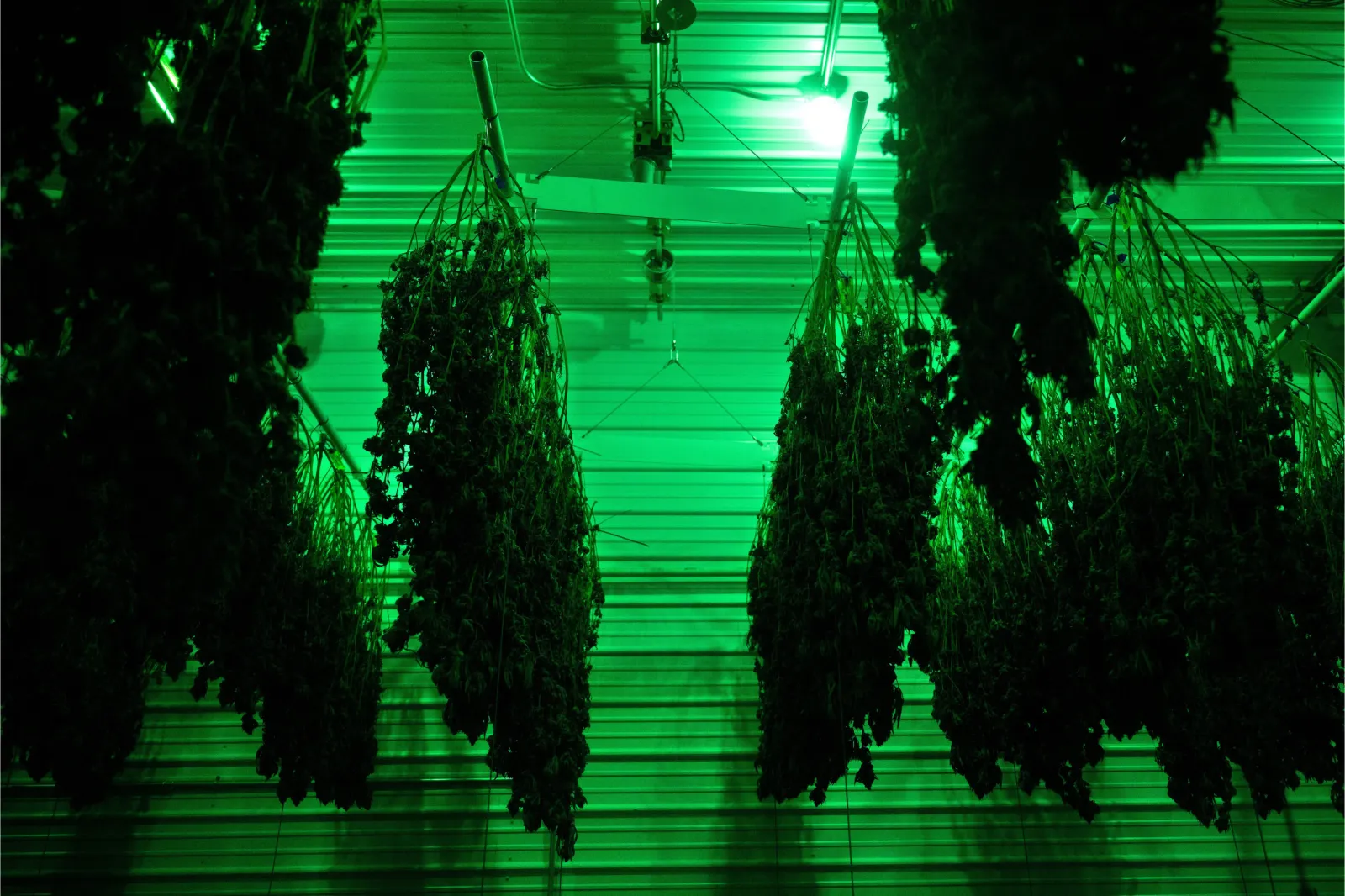
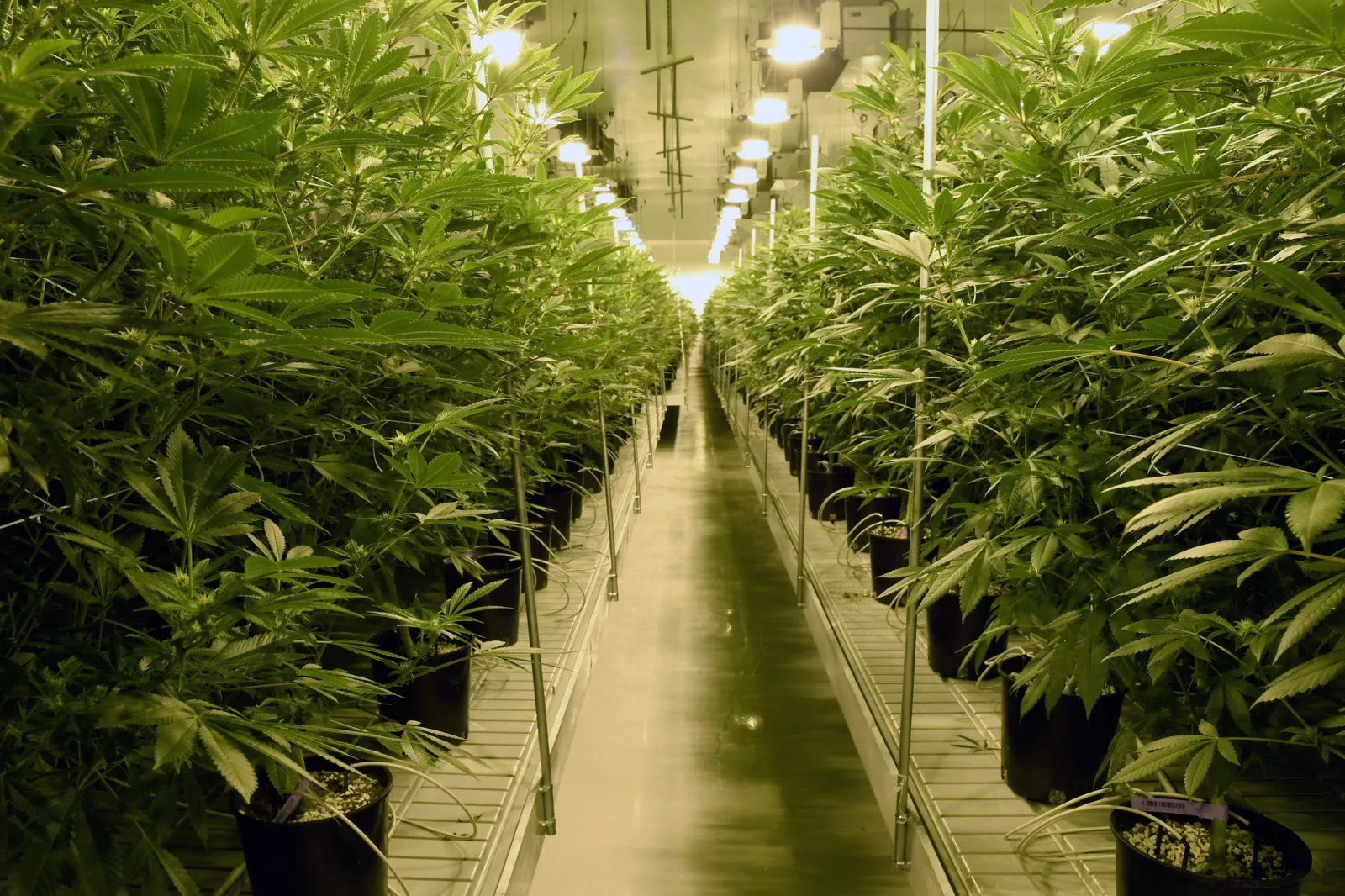
Data centers require large amounts of electricity and sophisticated cooling systems to keep servers running around the clock. Indoor cannabis cultivation facilities were designed for similar operational demands, with growers investing heavily in HVAC equipment, dehumidification systems, environmental controls and redundant power supplies.
Phil DeVries, founder and CEO of Michigan-based Wolverine Consulting, told Newsweek that several cannabis facilities already possess characteristics sought by data center developers.
"Zoning, available electricity, proximity to the grid and fiber, and preexisting infrastructure" are among the key factors attracting interest, DeVries said, noting that many cultivation sites already contain advanced HVAC systems designed to maintain tightly controlled growing environments.
DeVries said the similarities between modern cultivation facilities and data centers mean some properties can be repurposed more quickly than traditional industrial sites.
The overlap has caught the attention of developers as AI-driven demand for computing capacity accelerates nationwide. Reusing an existing facility can help avoid the lengthy process of securing land, obtaining zoning approvals, and building new utility connections for a new project.
At the same time, the cannabis industry has been under pressure.
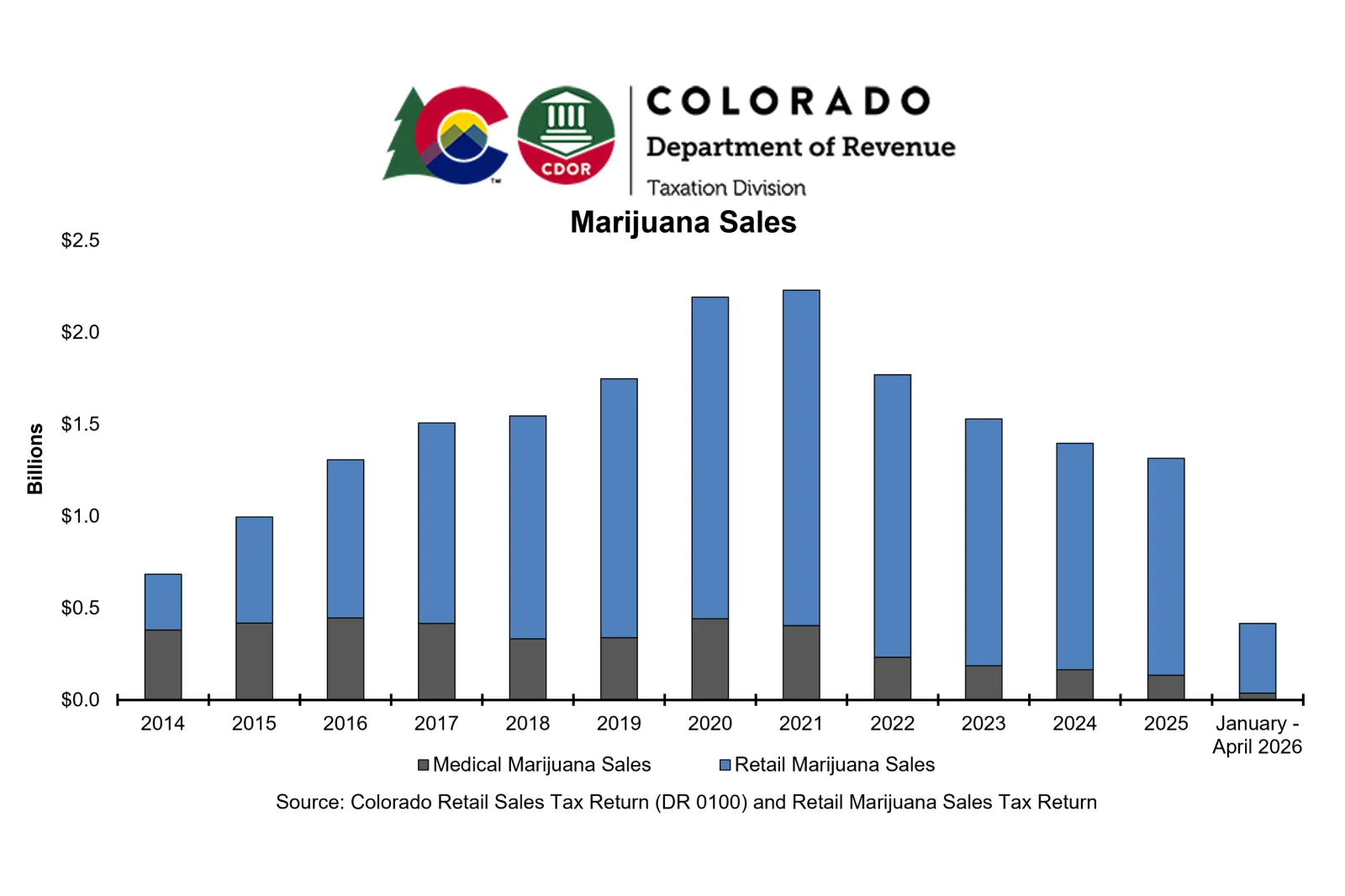
For instance, data from the Colorado Department of Revenue show that marijuana sales in the state have fallen steadily since reaching a record $2.23 billion in 2021, declining to $1.40 billion in 2024 and $1.32 billion in 2025, illustrating a significant cooling of Colorado's cannabis market following the pandemic-era boom.
The downturn has also left some cultivation facilities underutilized or vacant as operators scale back production in response to lower prices and weaker market conditions.
Michigan Looks at AI Reuse
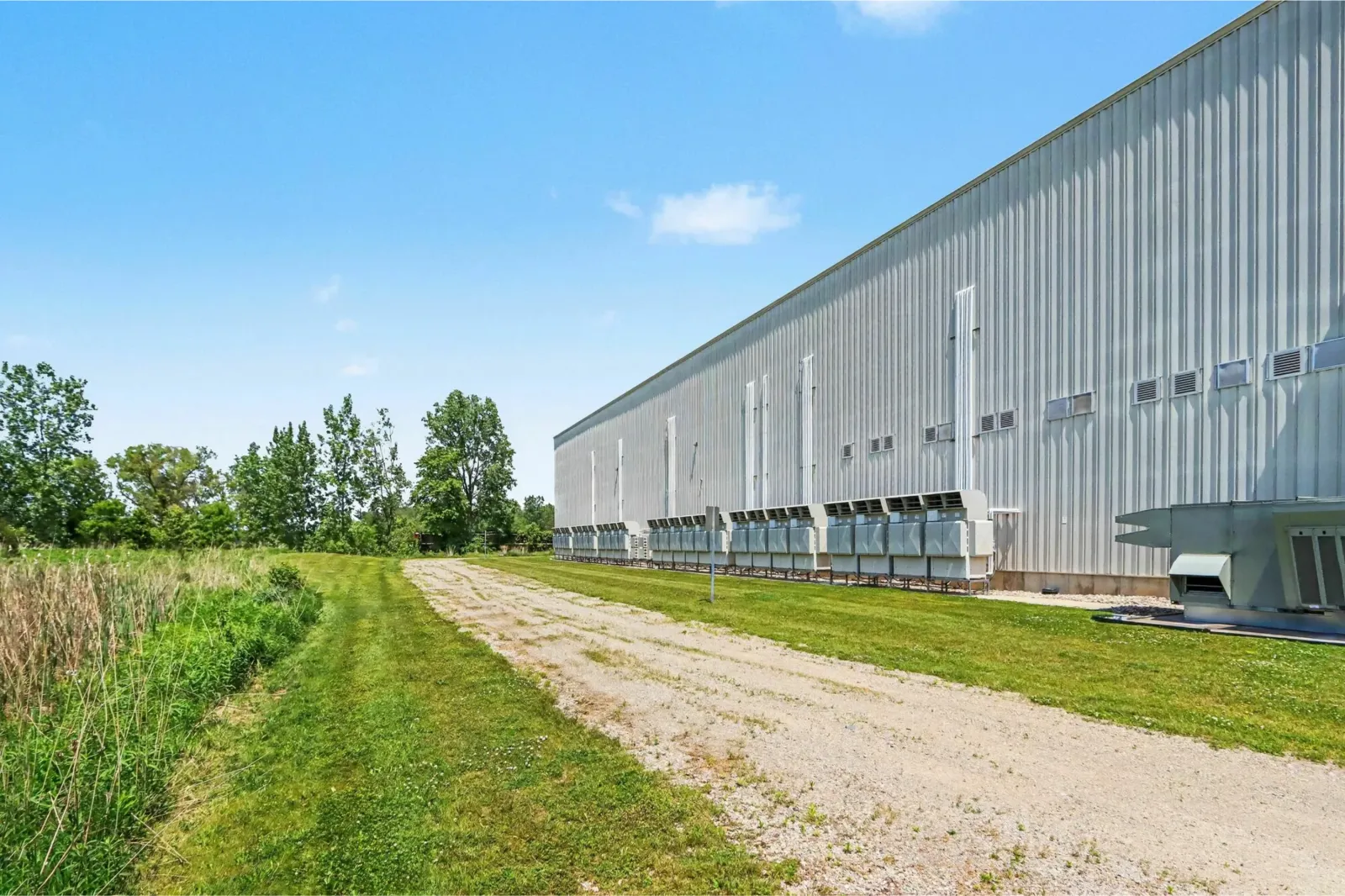
In Kalamazoo, Michigan, cannabis company Harbor Farmz has marketed its cultivation facility as a potential AI data center site.
The 32,850-square-foot property was originally built in 2020 for cannabis production but is now being pitched for technology infrastructure uses.
According to the property listing details, the building is a "purpose-built, power-intensive industrial facility engineered for continuous, precision-controlled interior operations."
Harbor Farmz CEO Michael Ward said the facility already has the foundational infrastructure needed for advanced computing. In a statement reported by WoodTV, Ward said that "what makes this property unique is that the core infrastructure already exists." He added that redevelopment "would create high-level positions" and provide economic opportunities for the local workforce.
He also believes that Michigan's cannabis market has become oversupplied, saying: "There is just no way to consume this much cannabis being produced in the state. Back in 2020, it was $500 an ounce. Now it's $58 an ounce. How do you sustain that? It's almost impossible."
DeVries said economic pressures on cannabis operators are helping drive interest in alternative uses. He pointed to oversupply, heavy taxation and shrinking profit margins in several states, arguing that many owners face substantial losses if they attempt to sell facilities to other cannabis businesses.
"Cannabis is failing in the majority of U.S. states," he said. "Selling to another cannabis company usually involves a massive financial loss or seller financing, preventing the seller from realizing the full value of the sale agreement."
However, the proposal by Harbor Farmz has sparked community concerns.
Residents have raised questions about electricity use, water consumption, noise, and the broader impacts associated with AI infrastructure, while city officials have stressed that no formal project has yet been approved.
Oklahoma Proposal Moves Forward
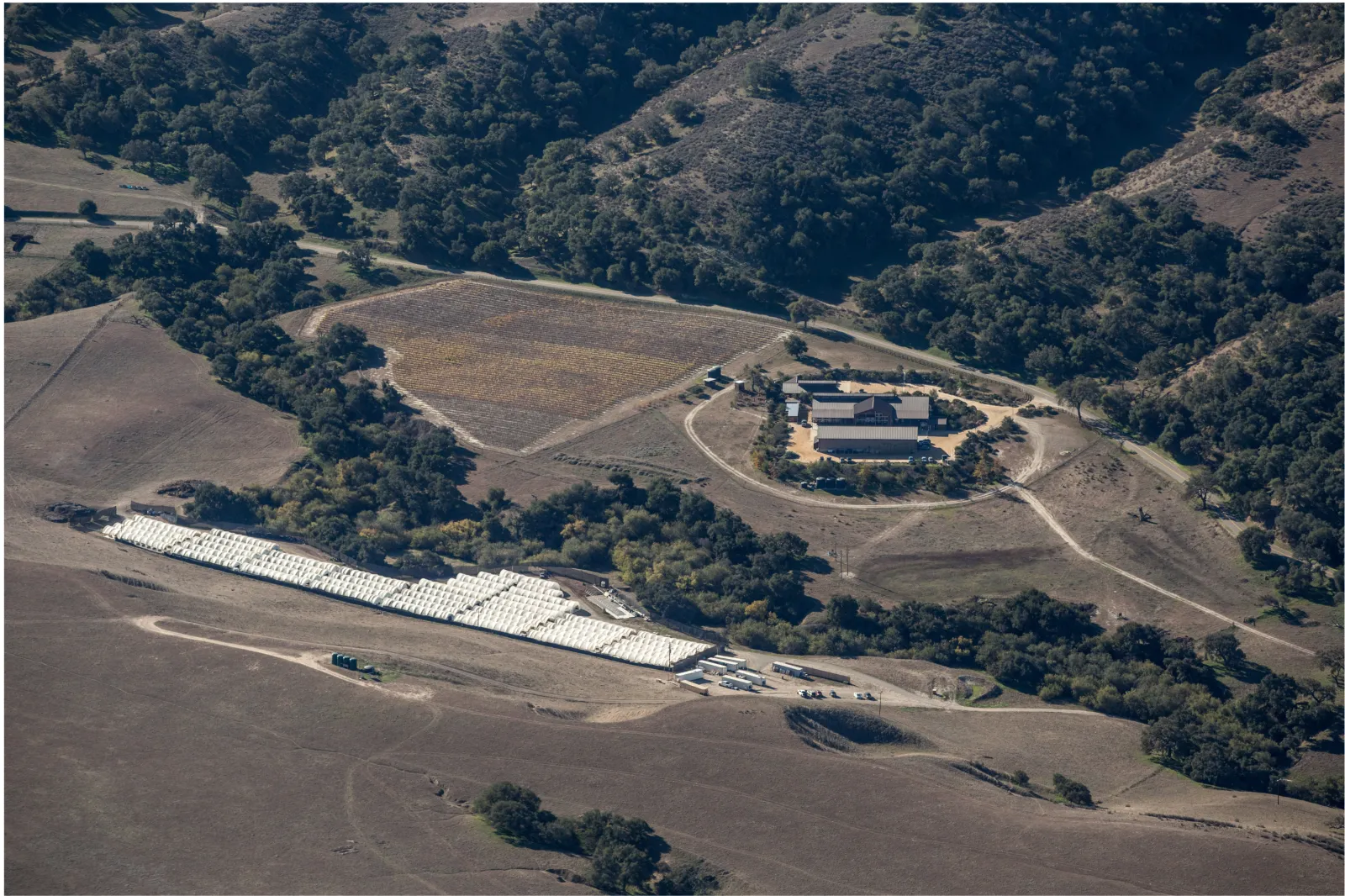
In Oklahoma, a former cannabis cultivation site in Pawhuska has been proposed as an 8 to 10 megawatt data center. The 200,000-square-foot building was previously marketed as one of the state's largest licensed indoor cannabis growing operations and sits next to a substation with significant available electrical capacity.
The developer, David Buckley, founder and CEO of Buckley Bros Holdings LLC, told local news outlets that the project could "bring a significant opportunity to bring new jobs and investment to Pawhuska," although residents have voiced concerns about power availability and have called for greater scrutiny of data center expansion.
Saskatchewan Markets a Former Cannabis Facility
The trend is not limited to the United States. In Saskatchewan, Canada, a former cannabis facility once operated by Prairie Plant Systems and later owned by Aurora Cannabis, is being marketed as a potential AI data center campus. The site spans more than 130,000 square feet and sits on over 100 acres.
Promoters say the property's heavy-duty electrical infrastructure, climate-controlled rooms and robust security features make it well suited to support AI computing.
Advocates have also pointed to Saskatchewan's colder climate as a potential advantage for cooling data center equipment.
Not Every Facility Is Suitable
While interest in repurposing cannabis properties is growing, DeVries said only a relatively small number of facilities are likely to qualify for data center redevelopment.
"Most facilities won't meet the criteria due to their build-out, existing infrastructure, available power and distance to the grid and fiber, municipal ordinances, current zoning, and other factors," he said.
DeVries added that many communities continue to debate the impact of data centers and often fail to distinguish between smaller inference facilities and the large hyperscale campuses that have drawn opposition over water and energy consumption.
"Most people group them together regarding power and water consumption, as well as size," he said, noting that many cannabis-to-data-center projects would likely fall into the micro or small-to-medium-sized category rather than the massive facilities typically associated with major technology companies.
According to DeVries, conversions are likely to remain a niche opportunity despite growing interest. He said developers must evaluate factors such as available power, access to fiber networks, zoning restrictions and proximity to grid infrastructure before determining whether a property is suitable.
"We've seen an uptick in alternative uses such as pharmaceutical, defense contracting, aerospace, battery testing, and indoor farming of fruits and vegetables," he said.
What the Cannabis Industry Thinks
While some operators see opportunities in repurposing cultivation facilities, industry groups say the trend also reflects broader challenges facing legal cannabis businesses.
Adam Rosenberg, chairman of the National Cannabis Industry Association's (NCIA) board of directors, said cannabis markets operate differently from state to state, with varying levels of supply, competition and pricing.
"As the slow rollout of federal reform continues to burden state-licensed cannabis businesses, we have seen an exodus of operators in certain markets who are unable to compete with unregulated and illicit suppliers that face none of the same compliance or taxation costs," Rosenberg told Newsweek.
He said the closures have left some property owners with vacant facilities that were built for the specialized demands of cannabis cultivation, including significant power infrastructure.
"Some facilities are being converted to cultivate other high-value crops, while others are being repurposed for energy-intensive applications entirely outside of cultivation, such as data centers," he said.
Critics, however, caution that the facilities are not necessarily a perfect fit.
Data centers often require different cooling systems and can face opposition over electricity and water use. Communities across North America have increasingly scrutinized data center projects, particularly as AI fuels demand for larger and more power-hungry facilities.
Nevertheless, as the AI boom continues and the cannabis market recalibrates, shuttered grow facilities may become an increasingly attractive target for developers looking to fast-track new digital infrastructure.
Contact Newsweek editors on this story: Ben Kelly and Tony Phillips.