 6 days ago
37
6 days ago
37
The Senate overwhelmingly passed a stopgap government funding bill early Saturday, sending the measure to the House of Representatives and delivering setbacks to two White House priorities while providing relief for hemp producers and groups that rely on federal grants.
If enacted, the legislation would temporarily block a White House proposal to expand political appointees' authority over federal grants and delay restrictions on some hemp-derived THC products. The measure would keep the federal government funded through December 11, moving the next potential shutdown deadline to after the November midterm elections if enacted.
The stopgap funding bill passed the Senate in a 90-6 vote and will head to the House once lawmakers return from the August recess. The House has already passed a separate continuing resolution (CR) that would fund the government through December 4, meaning the two chambers will therefore have to reconcile their different versions before a final bill can be sent to President Donald Trump for his signature.
Newsweek has reached out to the White House for comment via email on Saturday.
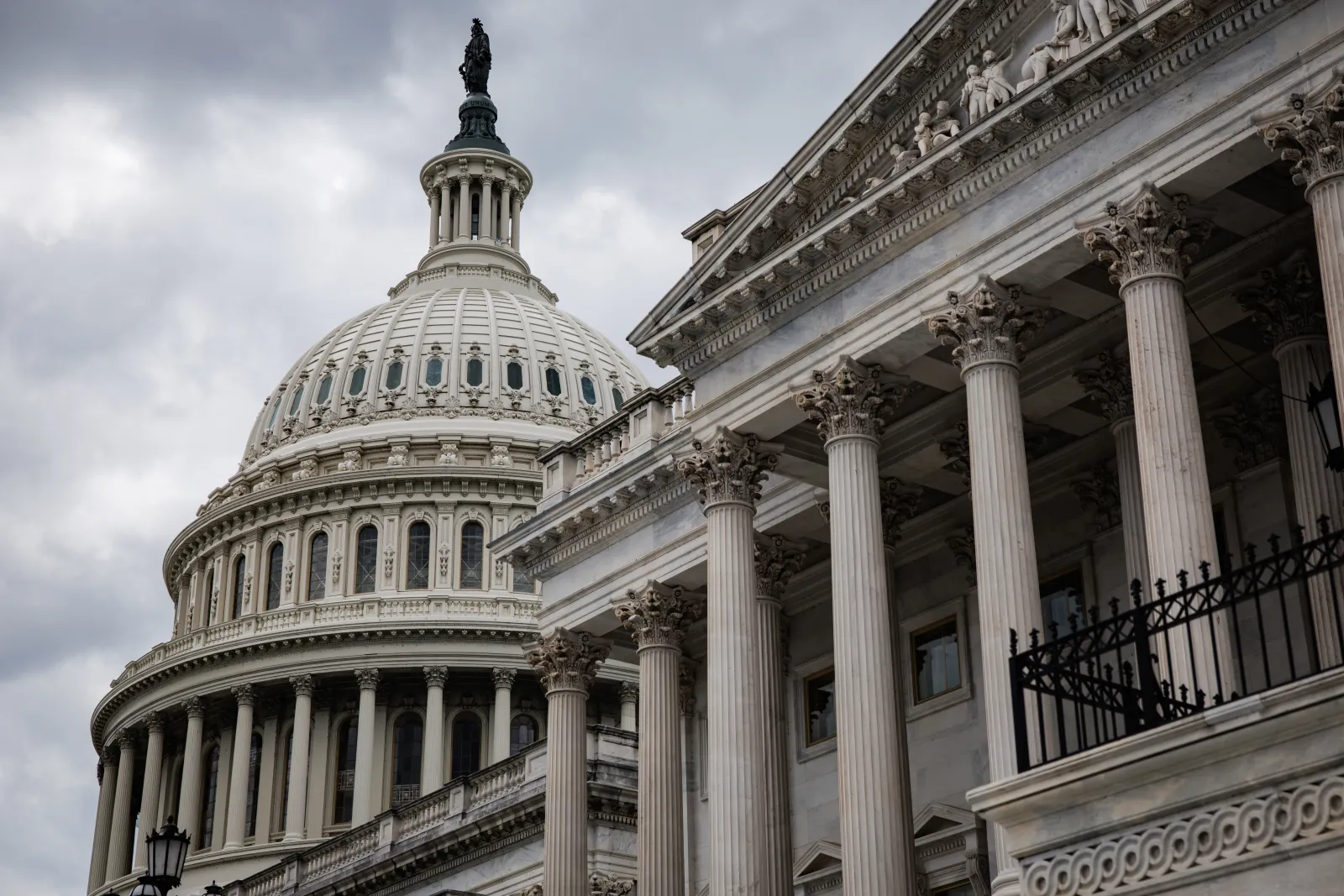
What Is the Senate Funding Bill?
The funding measure is a CR that would temporarily extend federal funding while lawmakers continue work on full-year fiscal 2027 appropriations bills.
It generally maintains current funding levels through December 11, giving Congress additional time to negotiate the individual appropriations bills needed to fund the government for the rest of fiscal year 2027.
The move comes just months before the midterm elections, with several Senate and House races expected to be highly competitive. If enacted, the measure would push the next potential government shutdown deadline until after Election Day, sparing lawmakers from a funding standoff in the final stretch of their campaigns.
The Winners
Federal workers
Federal workers are among the clearest winners of the stopgap funding bill. During government shutdowns, hundreds of thousands of federal employees can be furloughed or required to work without immediate pay, creating financial uncertainty for workers and their families.
By extending funding, the measure allows agencies to continue operating normally and avoids the risk of furloughs and delayed paychecks ahead of the midterms.
A federal government shutdown, the longest in history, last fall led to an estimated 670,000 federal employees furloughed, and roughly 730,000 continued to work without pay, according to the Bipartisan Policy Center.
SNAP and WIC Recipients
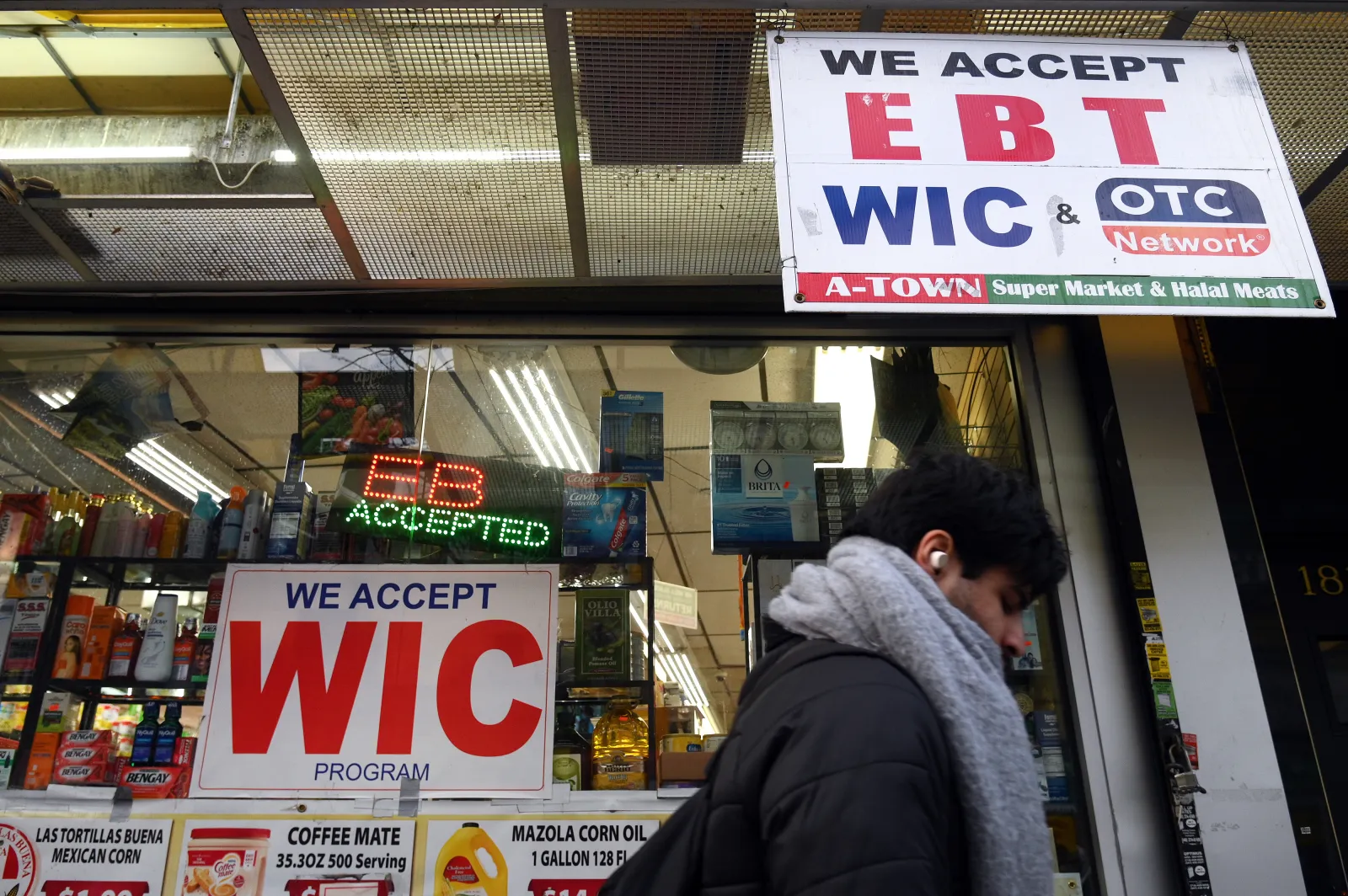
The funding measure helps avoid uncertainty for millions of low-income Americans who rely on federal nutrition programs, including Supplemental Nutrition Assistance Program (SNAP) and a related Women, Infants, and Children (WIC) program.
While some benefit programs have separate funding streams, a shutdown can create administrative challenges and concerns about future funding. The stopgap bill allows those programs to continue operating normally while lawmakers negotiate longer-term spending legislation.
About 40 million Americans receive SNAP benefits, while WIC serves roughly 6.9 million pregnant women, new mothers, infants and young children each month.
The CR also slightly boosts funding for SNAP.
Hemp Farmers and Businesses
Hemp farmers and businesses that manufacture hemp-derived tetrahydrocannabinol (THC) products emerged as beneficiaries of the Senate funding bill. The measure delays a planned federal crackdown on certain hemp-derived THC products until December. Industry groups had warned that the restrictions could hurt producers and retailers and applauded the temporary delay. Hemp is a type of cannabis plant with a lower content of THC.
The legislation pushes the November 12 expiration of what is called the “hemp loophole” created by the 2018 Farm Bill. The law legalized hemp containing less than 0.3 percent delta-9 THC, helping create a rapidly growing market for hemp-derived intoxicating products. Christopher Lackner, president and CEO of the Hemp Beverage Alliance, has said the industry is estimated to be valued at about $29 billion and employs thousands, which would be at risk if the prohibition took effect.
Advocates of restrictions, meanwhile, argue that intoxicating hemp products exploit a regulatory gap and are often sold outside the stricter controls that govern state-licensed marijuana products.
Disaster Relief Recipients
Communities recovering from hurricanes, wildfires and other disasters could benefit from the Senate funding bill, which includes a modest increase in Federal Emergency Management Agency (FEMA) disaster relief funding through December 11. Supporters say the additional funding would help ensure the agency can continue responding to disasters and processing recovery assistance while Congress negotiates longer-term spending legislation.
The Losers
The White House
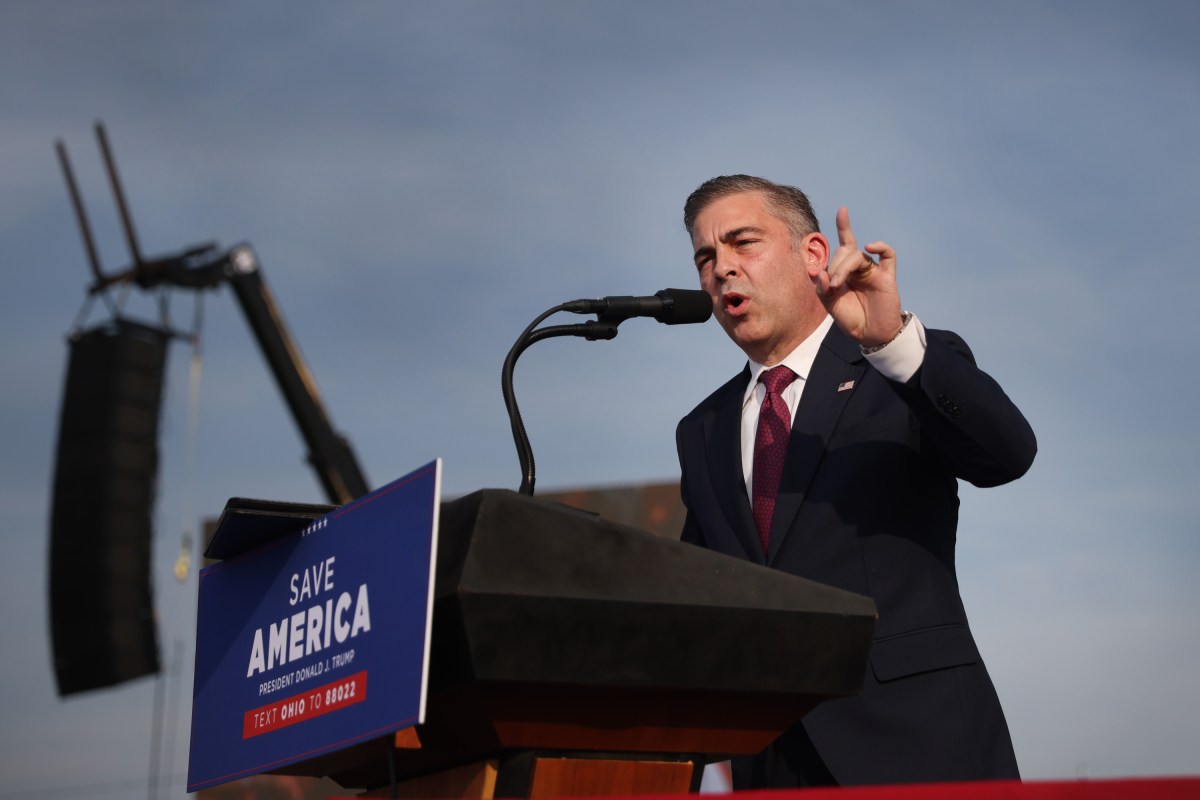
The Senate funding bill temporarily blocked or delayed two White House-backed initiatives. Senator Ted Budd, a North Carolina Republican, and others sought to remove the THC-hemp delay from the stopgap legislation but ultimately failed to get enough votes.
"I am disappointed that the Senate chose to protect an industry that insists on selling dangerous intoxicants marketed toward children by delaying the hemp loophole," the senator wrote on X on Saturday morning. "We agreed to ban these drugs nearly 9 months ago, but clearly our fight to stop this scourge is just beginning."
Trump signed the ban into law last year as part of a broader spending bill to reopen the government after a record-long shutdown.
Secondly, the legislation includes a provision temporarily blocking a proposed White House budget rule that would give political appointees greater authority over federal grants.
Critics of the Office of Management and Budget (OMB) proposal, which include Democrats and also Republican Senators Susan Collins and Lisa Murkowski, argued it could allow administration officials to exert more control over discretionary grant awards and potentially halt or revoke funding. The administration has said the changes are intended to strengthen oversight of federal spending.

“I advocated for significant changes to the proposed rule … citing its potential to politicize grants and harm small, rural communities, families, and biomedical research,” Collins, who is chair of the Appropriations Committee, said in a statement about the measure.
Opposition to the proposal united Democrats and some Republicans on the Appropriations Committee, who argued that federal grants should continue to be awarded through established agency review processes rather than political review.
Under the proposal, discretionary government awards would be reviewed by senior administration officials, who would have the authority to deny them if they are determined not to align with administration priorities. Administration officials have argued the proposed review process would improve accountability and ensure taxpayer-funded grants support presidential policy objectives.
Advocates of Hemp Restrictions
Backers of stricter regulation of hemp-derived THC products took a blow from the Senate deal, as the legislation delays the planned federal crackdown until December. Advocates of increased restrictions have said the ban is needed to address concerns about products being widely available outside the heavily regulated marijuana market.
Contact Newsweek editors for this story: Steve Mollman and Anthony Murray.