 1 week ago
40
1 week ago
40
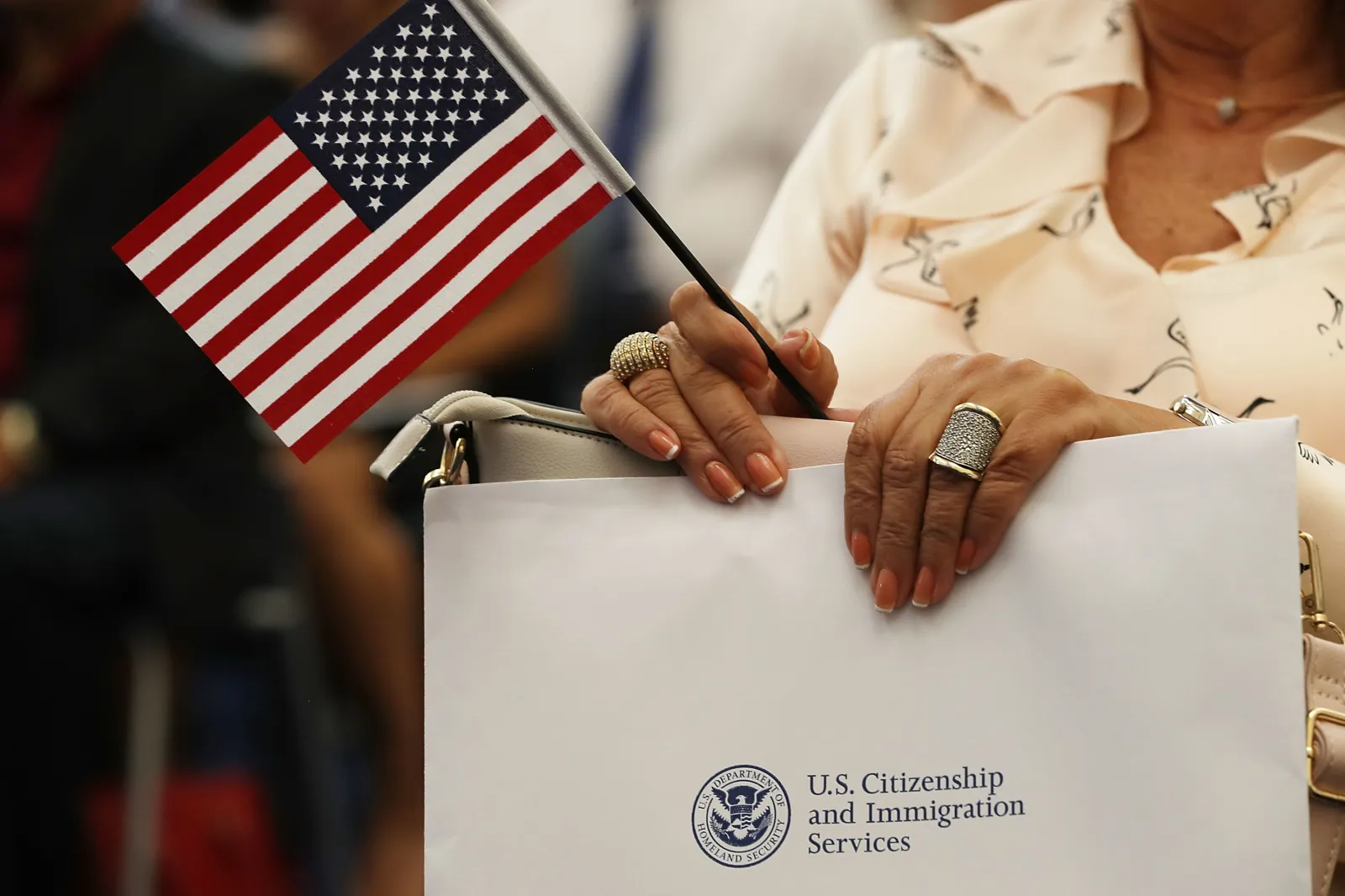
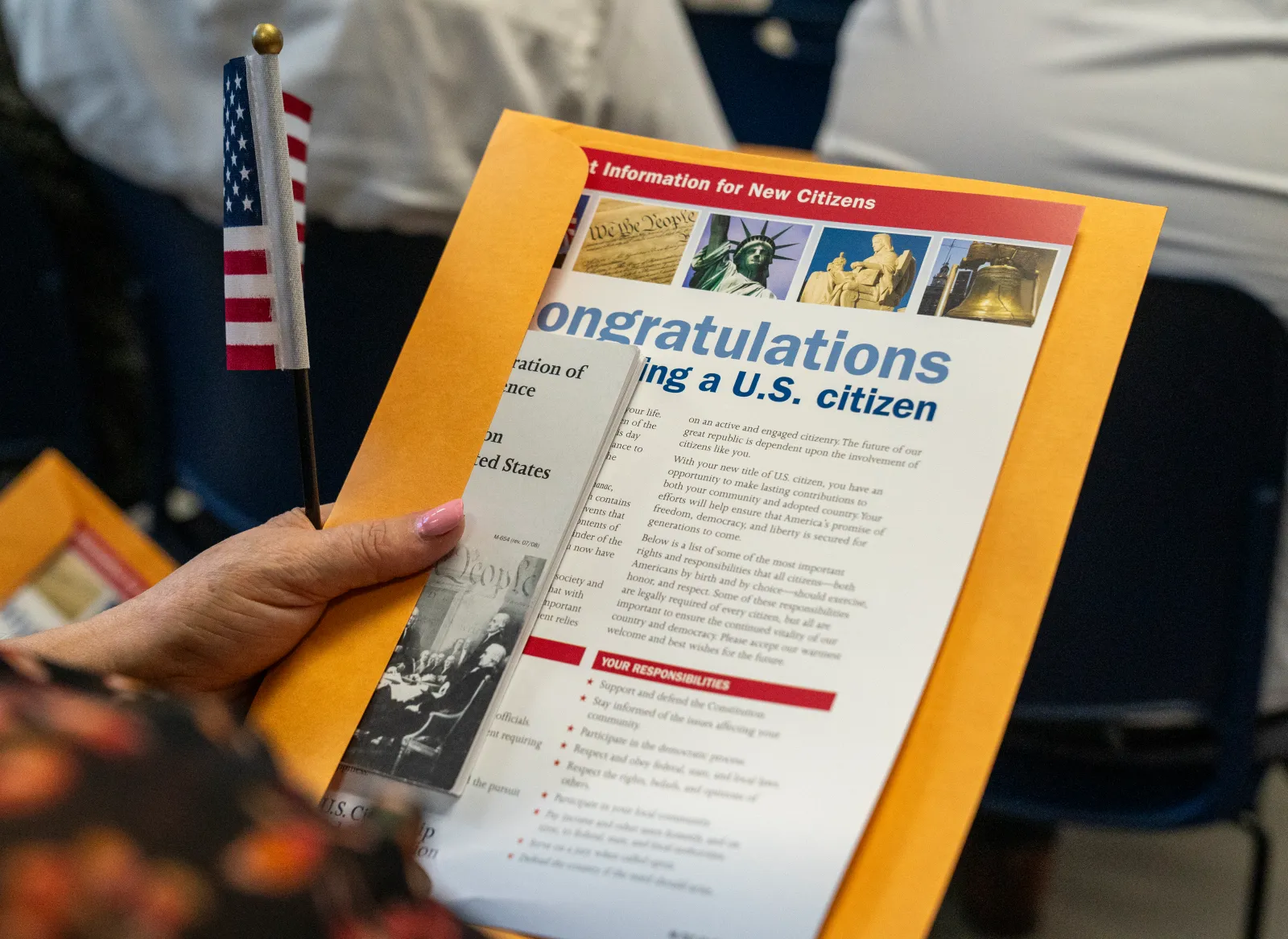
The Trump administration is considering changes to the U.S. citizenship test that could establish new educational standards for naturalization applicants and give immigration officials greater flexibility in how the exam is administered, according to a federal regulatory agenda.
The Department of Homeland Security (DHS) said the rule would establish "a framework and a standard" for applicants to meet citizenship education requirements, as the department seeks to "further enhance the integrity of the naturalization test."
U.S. Citizenship and Immigration Services (USCIS) is also considering allowing third parties to administer the naturalization test, a change it said would provide additional flexibility in how the exams are conducted, per the DHS proposal. The agenda entry does not provide further details about how such a system would operate.
The proposal could affect hundreds of thousands of citizenship applicants each year. USCIS naturalized 818,500 people in fiscal 2024, and the agency said almost 8 million people became naturalized U.S. citizens over the past decade. Agency data showed an initial naturalization test pass rate of 89.7 percent, rising to 94.4 percent after reexaminations.
Newsweek has contacted USCIS for comment via email outside office hours.
What Could Change for Naturalization Tests?
Current law requires citizenship applicants to demonstrate an ability to read, write, speak basic English and show knowledge of U.S. history and government. DHS said current regulations "do not provide specifics on how aliens should meet the educational requirements."
The department said the proposed changes would help ensure the "proper assimilation of lawful immigrants into the United States" and promote "a unified American identity and attachment to the Constitution, laws, and founding principles of the United States."
Douglas S. Pierce, a former USCIS supervisor who retired in late 2025, said the concept of third-party citizenship testing had been tried before.
"The idea of having third-party testing for naturalization testing is not a new one," Pierce told Newsweek. "It has been tried before—most notably during the Citizenship USA drive during the Clinton administration."
He cautioned that the Trump administration had not provided enough information to determine the impact of the proposal.
"The current announcement doesn't provide enough details to assess exactly what the agency intends to do, other than explore new ways of conducting the tests and determining whether an applicant meets the education and language requirements of naturalization," Pierce said.
"Any fair assessment of how they intend to change the process and what third parties they intend to allow to conduct the testing element needs to wait until the exact changes are actually proposed," he continued.
Gabriella Walsh, an immigration attorney, said in a LinkedIn post that the proposal could "significantly change" the naturalization process if implemented.
"It is another reminder that immigration policy continues to evolve beyond visas and border enforcement. Even long-established processes like naturalization remain subject to regulatory change," Walsh wrote.
The move would mark the latest change to the citizenship test. A revised civics exam first introduced during Trump's first term was later scrapped by the Biden administration, but USCIS announced in 2025 that it would adopt a new version building on the 2020 changes.
The Trump Administration's Denaturalization Push
The proposal comes as the Trump administration has also expanded denaturalization efforts.
The Justice Department announced what it described as the largest coordinated denaturalization effort in its history on Monday, seeking to revoke the citizenship of 25 naturalized Americans accused of obtaining citizenship through fraud, concealment or other unlawful conduct.
Denaturalization cases have increased during Trump's second term. According to the Brennan Center for Justice, the federal government initiated an average of about 11 cases annually between 1990 and 2017. During Trump's first term, that figure rose to roughly 25 cases per year.
More recently, TRAC reported that at least 15 denaturalization lawsuits were filed in May and 18 more in the first half of June. The research group identified 166 denaturalization cases filed between 2008 and mid-June, with filings increasing after a 2025 Justice Department policy change that expanded enforcement priorities.
What Happens Next
DHS is expected to publish a notice of proposed rulemaking in December. The agency has not released details on how the educational standards or testing procedures could change and said it is still considering the proposal's potential costs and benefits. Any changes would be subject to a public comment period before a final rule could be adopted.
Contact Newsweek editors on this story: Matthew Cannon and Shakeema Edwards.