 4 days ago
25
4 days ago
25
A woman has described how a COVID infection triggered her mom to develop a rare and fatal brain disorder, causing a rapid decline in her health within days.
Jillian Cohen, 43, always had a special relationship with her mom, Shirley Rowe. From leading her daughter’s Girl Scout group, sewing sequins onto her dance costumes, running the book fair at school, and driving her everywhere from music lessons to sports training sessions, Rowe was present for it all. Cohen tells Newsweek that her mom was a “creative and deeply empathetic person” who always gave her all to any task.
Sadly, Rowe passed away on May 7, 2025, at the age of 71 from a rare brain disorder that leads to dementia symptoms and causes rapid deterioration.
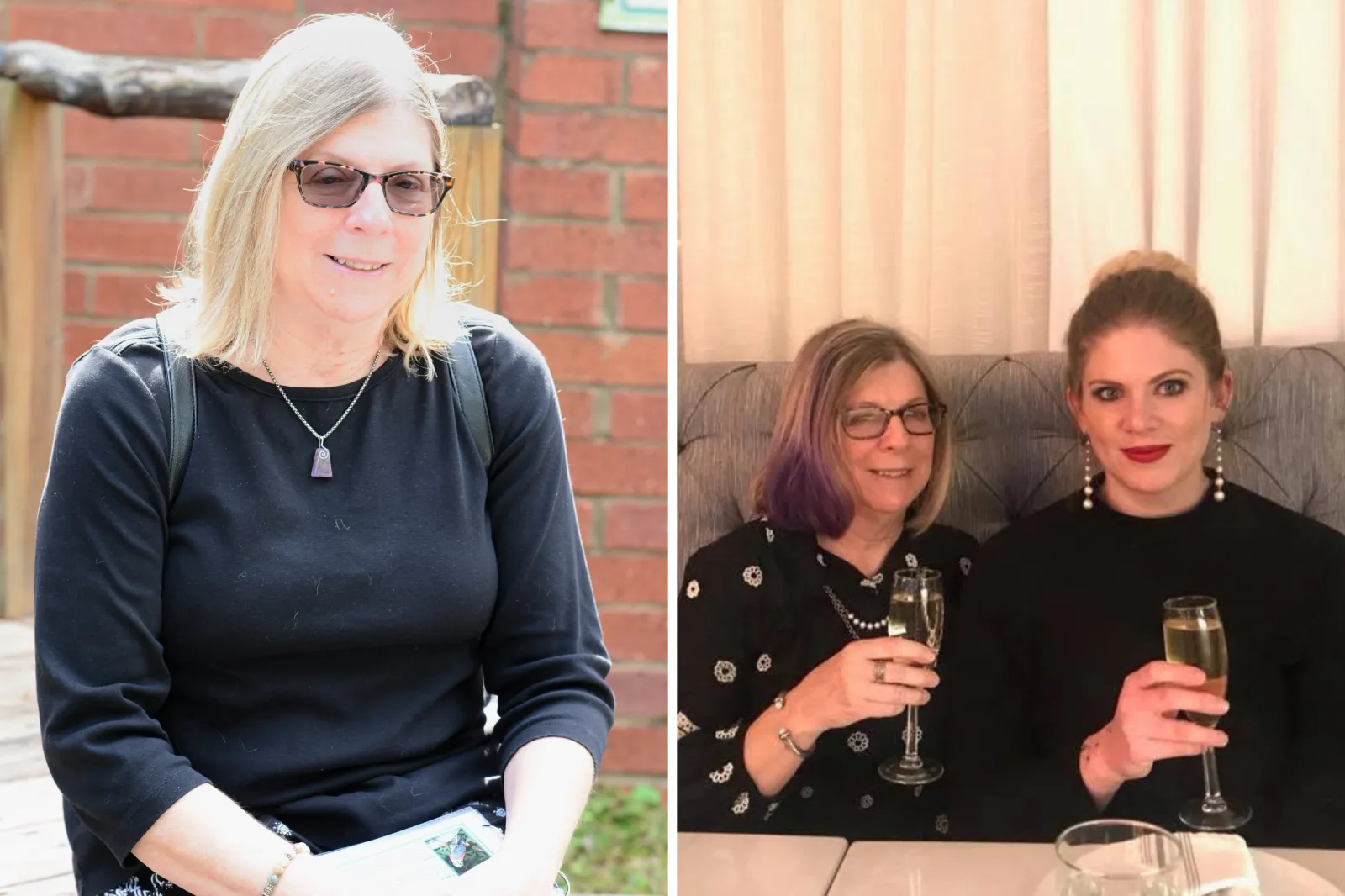
Cohen, of Savannah, Georgia, noticed the first warning sign on Christmas Day 2024. The family gathered at Rowe’s home, and though she had always been “sharp and focused” something about the 71-year-old seemed off that day.
“At one point, her brain kind of short circuited and she stopped what she was doing and stared off looking confused,” Cohen said. “It was strange. I had her sit down, took over what she was doing, and in a few minutes, she was fine.”
It seemed like an isolated incident, but it did not go unnoticed.
As a self-employed commercial filmmaker and photographer, Cohen often travels for work. This was the case throughout February to April of 2025, and while Rowe seemed perfectly healthy when she left, that was not the case when Cohen returned.
During the last week of Cohen’s travel, her mom called several times throughout the day, which was out of character. Rowe usually understood that her daughter was busy working so refrained from interrupting her during the day.
“The first call she asked me where I was, and I reminded her that I was in Akron for work. She called again twice after and asked me how to take a screenshot on her phone. I hate to say this, but I figured she was getting older,” Cohen said.
The situation became much graver when Rowe contracted COVID. She is thought to have had it twice before, but it seemed to take her much longer to recover this time around.
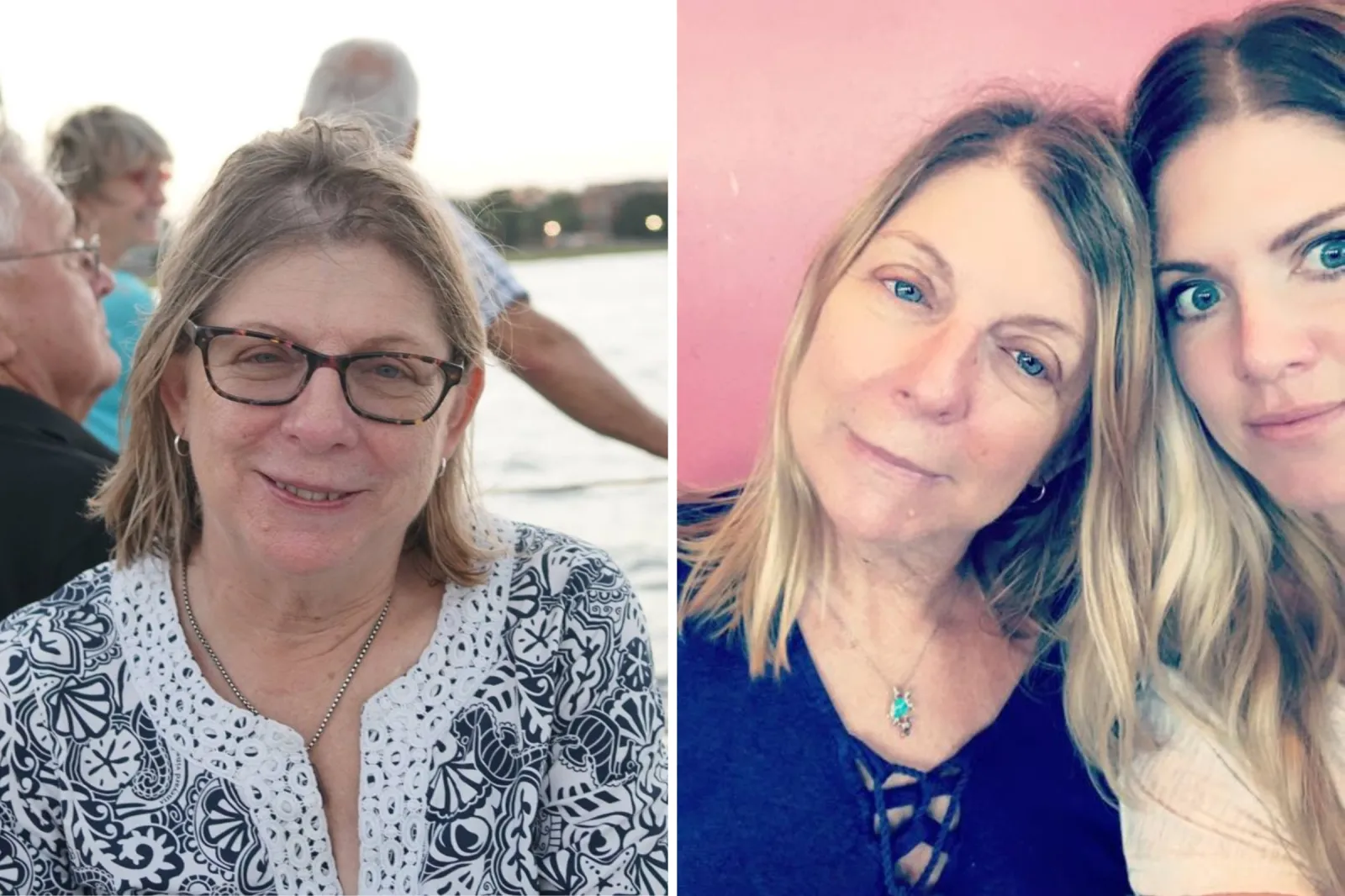
Rowe complained of dizziness and difficulty walking, leading her to get a cane. She refused to let it stop her from doing what she loved, as she still did her best to go out bird watching and continued planting flowers. Cohen also noticed that her mom was sleeping more often in early April, but a primary care doctor suggested it could be long COVID.
By April 20, Rowe was refusing to eat and seemed disoriented, so Rowe’s partner, Christian, called Cohen for help.
“When I walked in it looked like she had aged 20 years in the week I’d been gone,” Cohen told Newsweek.
Her mother seemed confused and physically unable to eat. Cohen took her mom to the ER immediately.
The initial diagnosis was dehydration, but when the situation did not improve with fluids, more tests were conducted. Rowe underwent a lumbar puncture, and a sample of spinal fluid was also taken.
When the results came back, Cohen’s “heart fell” when the doctor mentioned Creutzfeldt-Jakob disease (CJD). To Cohen’s horror, the doctor confirmed that it was fatal and the condition tends to unfold quickly.
What is Creutzfeldt-Jakob Disease?
CJD belongs to a group of conditions called prion disorders, causing a change to the prion protein. Symptoms of CJD include memory loss and dementia, impaired thinking, personality changes, trouble speaking, jerky movements and lack of coordination.
The Mayo Clinic explains that death typically occurs within a year, usually due to medical complications associated with the disease. It is considered very rare, with around one to two cases of CJD diagnosed per million people globally each year, according to the Mayo Clinic.
Rowe declined rapidly following her diagnosis, which Cohen described as “horrifying to watch.” Rowe’s advanced directive indicated that in the event of a terminal illness, Cohen should allow her natural death occur without intervention.
“Her body was constantly moving and convulsing, her eyes were cloudy and half open. I heard that hearing is the last to go before someone dies, so Christian and I would play her favorite songs on our phones while we sat with her. When she was finally in hospice, they kept her medicated and she finally was able to be still,” Cohen said.
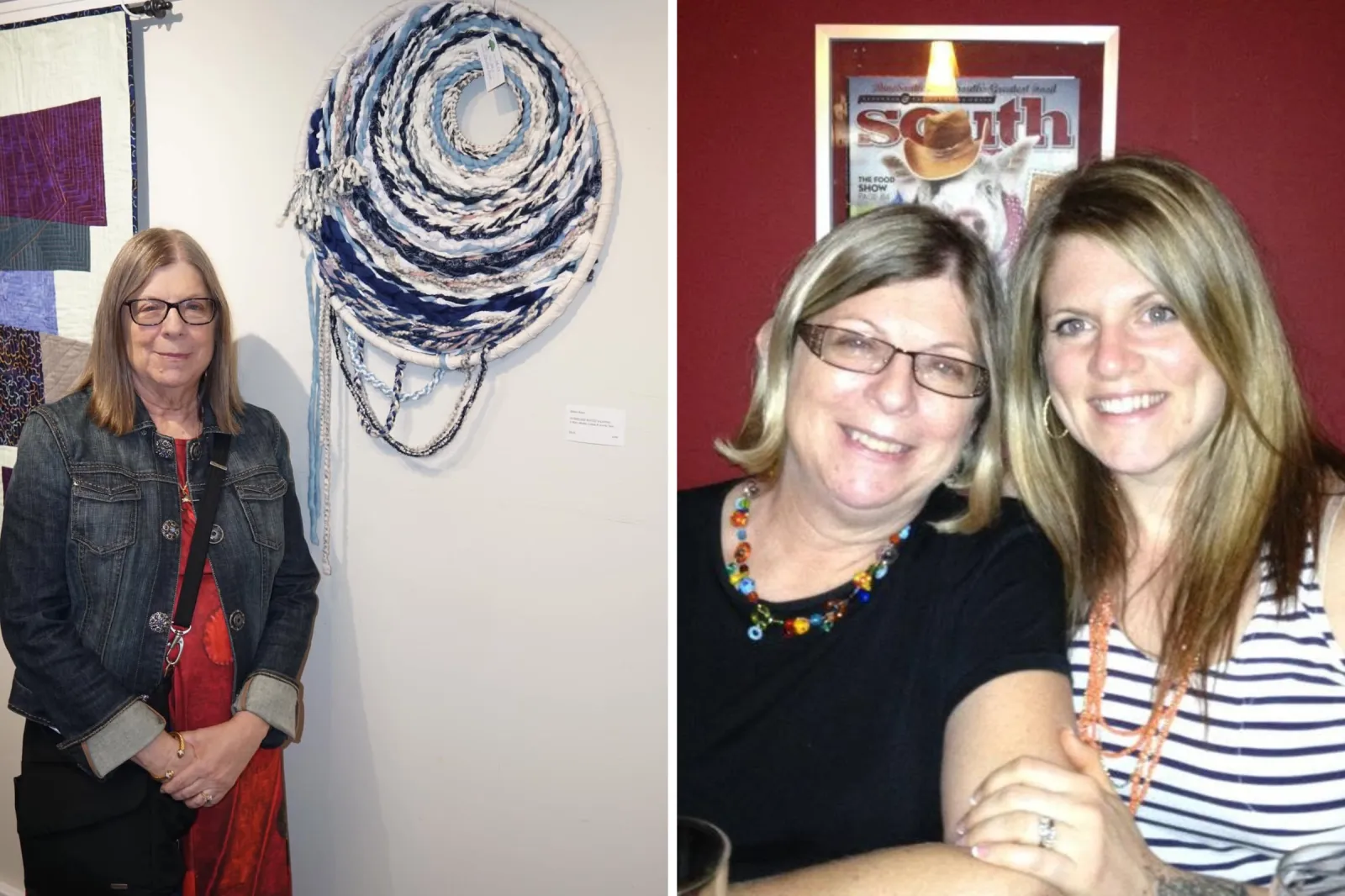
Rowe passed away on May 7, just days after her CJD diagnosis.
Having lost both her parents, Cohen said the loneliness “was crippling.” In the first few months, she took her son to school and would just stare at the walls until it was time to pick him up hours later.
Ultimately, her work pulled her out of depression as she thrived in the creative process. Both her parents were photographers, and it was an uplifting way to feel connected to them.
Now, Cohen is using social media (@itsjillianrowe on TikTok and @itsjilliancohen on Instagram) to raise awareness for CJD and educate others on the early signs.
“I realized that I am allowed to experience joy, and just because my parents are gone doesn't mean they’re not still cheering for me,” Cohen said.
Is there a health issue that's worrying you? Let us know via [email protected]. We can ask experts for advice, and your story could be featured on Newsweek.
Contact Newsweek editors on this story: Rebecca Flood and Emma Lee-Sang