
 1 week ago
38
1 week ago
38
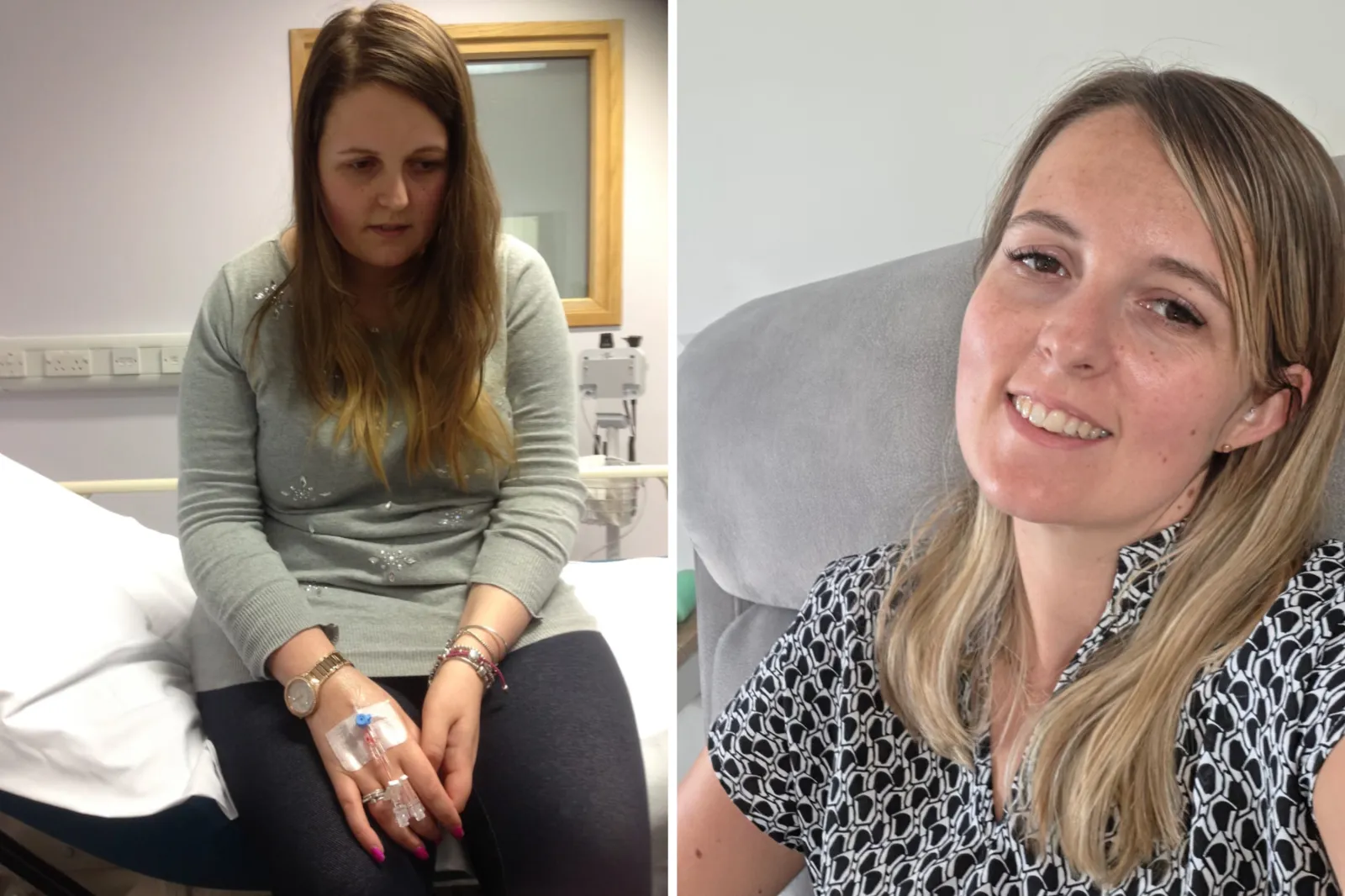
A woman has revealed the four symptoms she brushed off before eventually being diagnosed with multiple sclerosis (MS).
Becky Lee first experienced symptoms in 2015, but it would take another eight years before she received a formal diagnosis of the lifelong autoimmune disease that affects the central nervous system.
The 33-year-old told Newsweek that she dismissed the symptoms, believing they were simply part of getting older.
According to a 2019 prevalence study funded by the National Multiple Sclerosis Society, almost 1 million people in the United States have received a MS diagnosis. MS organizations estimate that 2.8 million people in the world have the disease.
The Symptoms She Ignored for Years
Lee, a project manager from England, was around 22 when she experienced what she now knows was an "MS hug," a symptom that causes a tight, squeezing sensation around the chest.
"I went on a night out with friends, then woke up at 6 a.m. and felt like a band was squeezing around my chest. I couldn't breathe," she said. "I felt like I was having a heart attack, but it passed pretty quickly."
Looking back, Lee said she dismissed the episode and assumed it was heartburn caused by alcohol from the night before. A couple of weeks later, she developed blurry vision and felt as though she was constantly on a boat.
"I went to the doctors after a few days as it wasn't getting better. I assumed it was an ear infection, took some antibiotics but they didn't help," she said.
Her symptoms rapidly worsened. Lee began struggling to walk and lost her sense of balance.
"I couldn't walk at this point. I was struggling to walk from A to B, I had no balance whatsoever. I drove into work but couldn't drive home. I left my car there and got a lift home," she said.
Doctors initially believed an inner-ear infection was responsible and told her the symptoms could take time to resolve. However, within days, she deteriorated further.
"We went to a pharmacist and asked for some stronger medication," Lee explained. "They said go to emergency room as they could see something was very wrong."

At the emergency room, Lee underwent neurological examinations. Doctors initially suspected she had suffered a stroke after spotting a shadow on a CT scan. She spent seven days in the hospital and underwent a lumbar puncture and MRI scan.
"They showed I had lesions on my brain which indicated MS," Lee said.
Because she had only experienced one neurological episode, doctors could not formally diagnose her with MS. Instead, she was diagnosed with clinically isolated syndrome (CIS), often considered the first stage of MS.
"At the time, I had only had one episode, and you need two for a diagnosis," she said.
Doctors told her she could remain symptom-free indefinitely or go on to develop MS. However, she continued to experience the following symptoms for years:
- Blurry vision
- Dizziness
- Fatigue
- Muscle spasms
- Depression
- Mood swings
Despite the ongoing symptoms, Lee carried on with her life and remained under the care of a neurologist, experiencing regular flare-ups.
"I was exhausted all of the time. I thought I am getting old and everyone is tired," she said.
Lee said the chronic fatigue is still something she suffers with today. Blurred vision happened weekly especially when she was tired.
"It feels like cling film on my eye. Once it's wiped away, it goes back to normality, then goes back to it," she said.
Another symptom was the recurring "MS hug." Muscle spasms also became a regular occurrence.
"Every three months I had multiple MS hugs, squeezing my chest. I ignored it and thought everyone gets it," she added. "I lost a lot of muscle on my left side with my first attack. My left side never fully recovered, and I still struggle with that side of my body."
Raising Awareness After Diagnosis
Initially, Lee was reluctant to tell people about her condition.
"I was terrified about telling colleagues and people when I was younger and first found out," she said. "I didn't want people to treat me differently because of it. It was overwhelming."
About eight months later, she decided to share her journey on TikTok under the username @singlewithms to raise awareness of the condition.
Today, she continues to manage symptoms including migraines and fatigue while working from home.
"My whole body is exhausted. Even opening my eyes and moving my legs is hard work," she said. "The scariest thing is the future is unknown. I could wake up tomorrow without vision or unable to walk—it worries me that one day I may not be able to work or drive. The hope is that my treatment will prevent that as much as possible."
Contact Newsweek editors for this story: Charlotte Nisbet and Anthony Murray.