
 5 hours ago
15
5 hours ago
15
Colorado is taking a tougher approach to residents who leave food and trash accessible to bears, reflecting a broader trend among states grappling with rising human-wildlife conflicts.
A new Colorado law, House Bill 26-1342, lowers the legal threshold for enforcement from people who intentionally feed bears to those who knowingly leave out food, garbage, or other items that might attract animals, where bears are likely to find them.
The change allows wildlife officers to issue citations without providing a warning first, and raises maximum penalties for repeat offenders.
The legislation comes as Colorado Parks and Wildlife (CPW) reported a sharp increase in bear encounters. According to The Colorado Sun, the agency had received more than 6,100 reports of bear sightings and conflicts by mid-August, already surpassing the statewide total recorded during all of 2025. The CPW says drought conditions, wildfire impacts and reduced natural food supplies are pushing more bears into neighborhoods in search of easy calories.
Newsweek has emailed the CPW for comment.
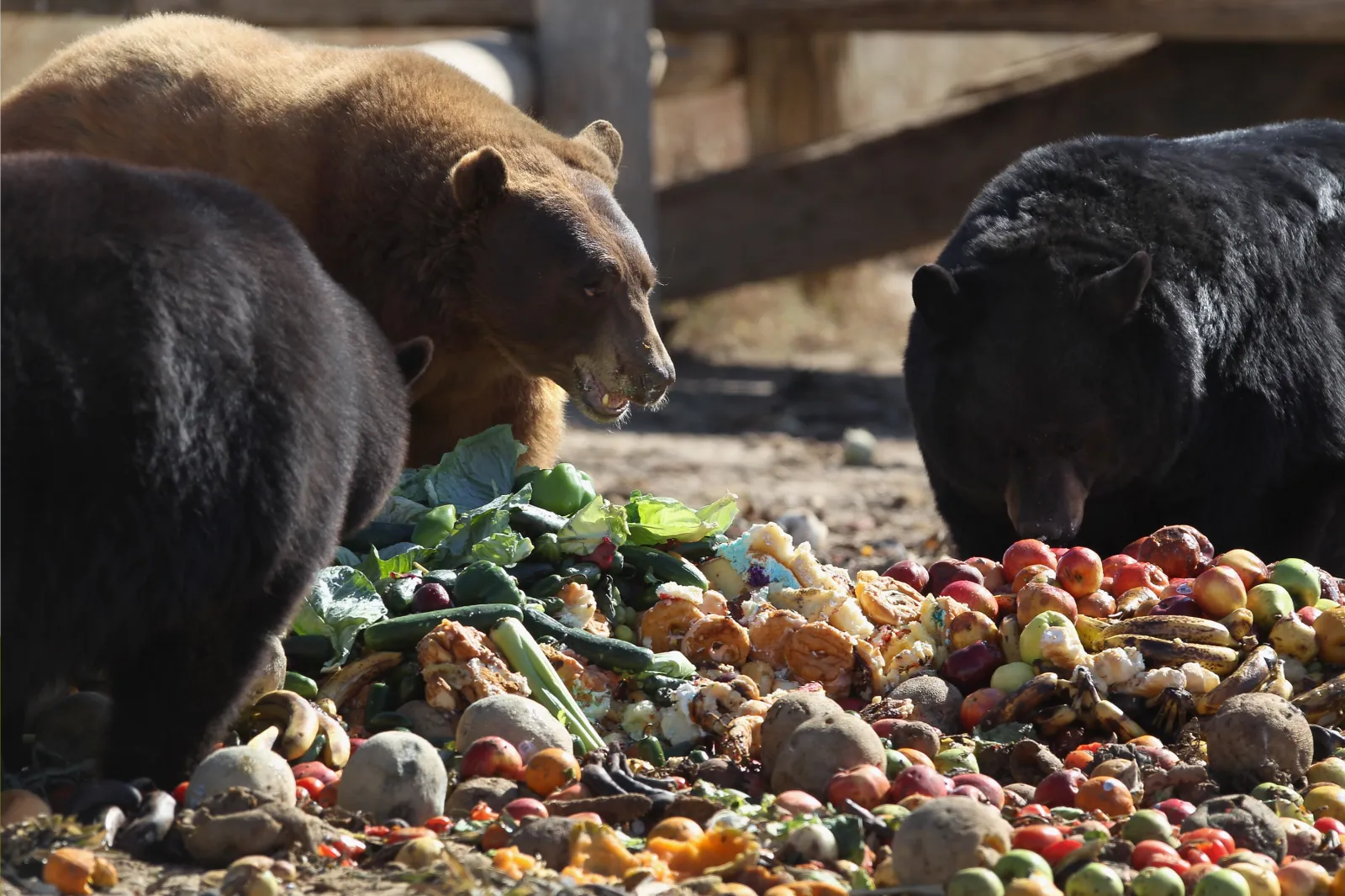
Under the new law, a third or subsequent violation can carry fines of up to $5,000. The measure also eliminates the previous requirement that first-time offenders receive only a warning.
Wildlife officials frequently summarize the issue with a phrase that has become common across bear-management programs: "A fed bear is a dead bear." Once bears become accustomed to human food sources, they often lose their natural fear of people, increasing the likelihood of property damage and dangerous encounters, which can ultimately lead to euthanasia.
CPW relocated 68 bears and euthanized 98 due to conflicts in 2025, according to The Colorado Sun.
Why States Are Escalating Penalties
Colorado is far from alone.
Across North America, wildlife agencies are increasingly shifting from education-focused campaigns toward enforceable regulations that place greater responsibility on homeowners, businesses and tourists.
Many agencies still promote programs such as BearWise and public-awareness campaigns, but they are also embracing penalties designed to reduce access to human food sources before animals become habituated.
The challenge is particularly acute in mountain communities, resort towns and growing suburban areas that sit at the edge of where bears like to live. Unsecured garbage, bird feeders, outdoor pet food and backyard grills continue to be among the most common things that attract bears.
How Bear Enforcement Laws Compare
States With Strong Civil or Criminal Penalties
Florida
Florida uses a tiered enforcement system for wildlife-feeding violations. Intentional feeding of black bears is prohibited, and penalties can escalate from a civil fine to misdemeanor charges and, for repeated violations involving bears, felony-level consequences. State rules also allow enforcement when attractants such as food or garbage continue to draw bears after prior notice from wildlife officials.
New Jersey
New Jersey imposes some of the nation's most aggressive financial penalties. State law prohibits intentionally feeding bears and improperly storing attractants in areas known to be frequented by bears. Violators can face civil penalties of up to $1,000 per offense, with continuing violations treated as separate offenses for each day they persist.
Alaska
Alaska takes a particularly serious view of bear attractants because of the state's large populations of black and brown bears. Wildlife authorities can pursue charges in cases involving negligent food storage, with significant fines under state law.
States Targeting Both Intentional and Negligent Feeding
California
California prohibits knowingly feeding big-game mammals, including black bears. Violations can be prosecuted as misdemeanors, reflecting the state's long-standing concern about bears becoming food-conditioned in campgrounds, mountain communities, and tourist areas.
Washington
Washington's state law prohibits negligently attracting large wild carnivores through food or waste, while intentionally feeding or attracting them is punishable as a misdemeanor. Property owners who fail to correct attractant problems after enforcement action can face additional penalties.
North Carolina
North Carolina prohibits feeding bears and has increasingly emphasized removal of attractants such as garbage, pet food and bird feeders in residential areas where bear populations are expanding. Wildlife officials routinely advise residents to remove bird feeders when bears are active nearby, though the state has historically relied heavily on community education alongside enforcement.
The Hunting-Baiting Paradox
Despite growing restrictions on residential feeding, some states continue to permit regulated bear baiting for hunting purposes.
Maine allows licensed hunters to use bear bait under detailed regulations governing location, timing, and cleanup requirements.
Idaho also permits bear baiting under a regulated permit system, with rules governing the type of bait used and where bait sites may be established.
The contrast illustrates a longstanding divide in wildlife management: states increasingly discourage casual feeding by homeowners because it creates nuisance animals near people, while some continue to allow baiting as a controlled tool for hunting and population management.
For Colorado officials, however, the immediate priority is reducing the number of bears that are finding easy meals in neighborhoods. With food shortages expected to continue and bears entering their late-summer feeding season, wildlife managers hope stricter enforcement will discourage behaviors that often end badly for both people and bears.
Contact Newsweek editors on this story: Ben Kelly and Cristina Diciu.