 1 week ago
36
1 week ago
36
U.S. Supreme Court Justice Sonia Sotomayor on Monday declined to halt enforcement of a $655.5 million judgment against the Palestinian Authority (PA) and Palestine Liberation Organization (PLO) in a lawsuit brought on behalf of Americans killed or injured in terrorist attacks in Jerusalem in the early 2000s.
The case centers on attacks by various Palestinian groups and individuals between 2002 and 2004 that killed several people and wounded dozens during the Second Intifada. The plaintiffs sued the PA and PLO under the Anti-Terrorism Act, alleging responsibility for the attacks.
Attorneys for the PA and PLO filed an application to stay the judgment with the Supreme Court in late July, arguing that the judgment became a “nullity” and “absolutely void” after earlier court proceedings years ago.
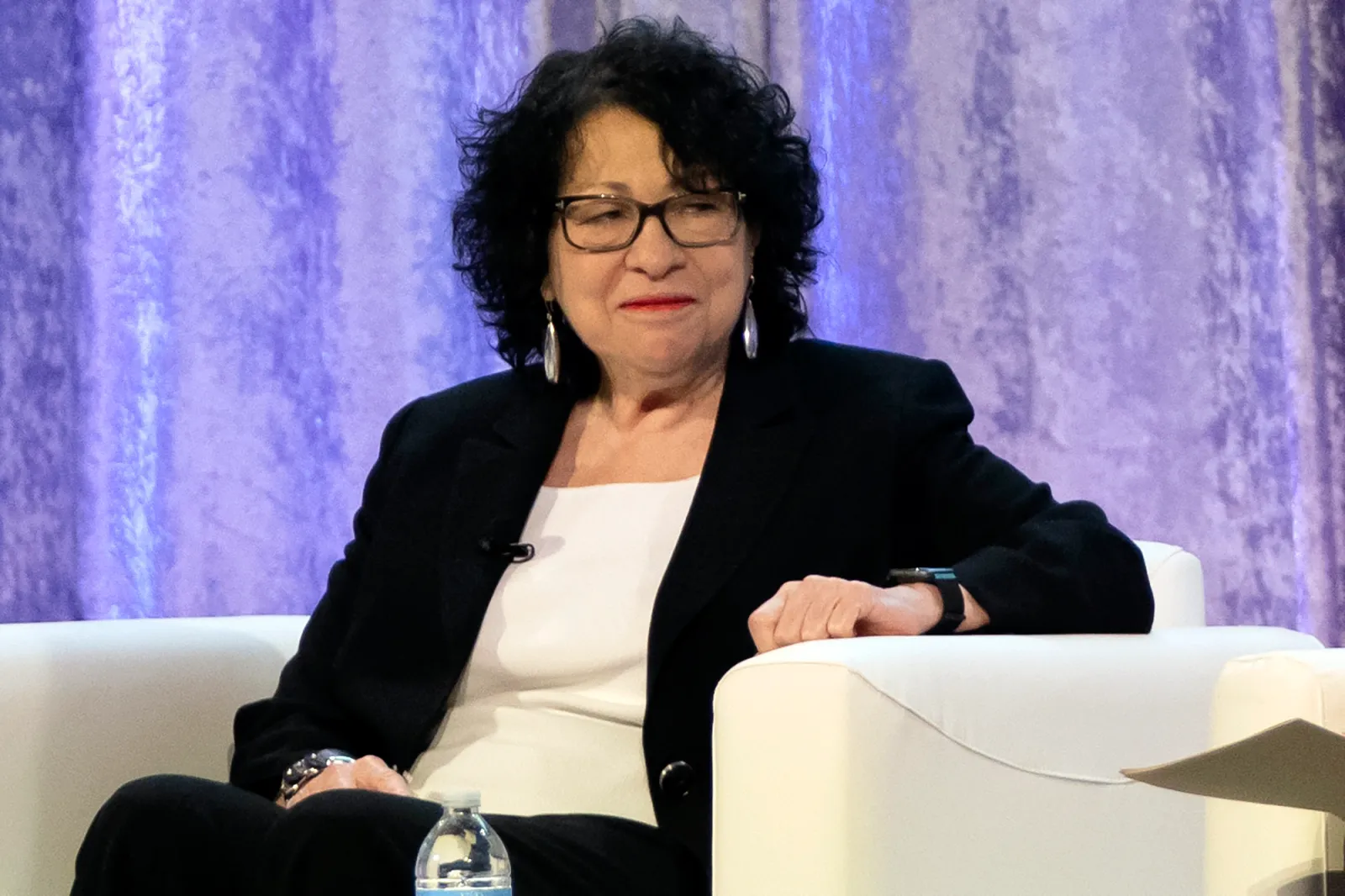
Sotomayor denied the request on Monday without referring it to the full court or providing an explanation.
The legal setback comes as the PA faces mounting financial pressure amid the fallout from Hamas' October 7, 2023, attack on Israel and the ensuing war in Gaza. Palestinian officials have warned that the suspension of tax revenues collected by Israel on the authority's behalf, coupled with worsening fiscal deficits and economic disruption, have deepened a financial crisis that is straining the PA's ability to fund government services in the West Bank.
Attorneys for the plaintiffs declined to comment. Newsweek has reached out to the defendants' legal representatives for comment via email on Tuesday.
What to Know About the Case
The legal battle dates back more than a decade and stems from a series of shootings and bombings in and around Jerusalem between 2002 and 2004 during the Second Intifada. American victims and the families of those killed sued the PLO and PA.
The PLO was founded in 1964 with the backing of the Arab League and is internationally recognized as the representative of the Palestinian people. It is an umbrella organization composed of several Palestinian political factions and is responsible for conducting diplomacy and representing Palestinians in international affairs. The PLO signed the Oslo Accords with Israel in 1993.
The PA is a governing body established in 1994 under the Oslo Accords to administer parts of the West Bank and Gaza Strip. Today, it exercises limited self-rule in parts of the West Bank and is responsible for functions such as education, healthcare, sanitation and civil administration while also coordinating on some security matters with Israel.
Following a seven-week trial in 2015, a federal court in New York issued a roughly $655.5 million judgment against the PA and PLO.
The 2nd U.S. Circuit Court of Appeals threw out the verdict in 2016, ruling that U.S. courts lacked jurisdiction over the Palestinian entities. Two years later, the Supreme Court declined to hear an appeal.
In 2019, Congress passed the Promoting Security and Justice for Victims of Terrorism Act (PSJVTA), a law designed to make it easier for American victims of terrorism to sue the PA and PLO in U.S. courts.
The legal landscape shifted again in 2025 when the Supreme Court unanimously upheld the PSJVTA in a separate case, Fuld v. Palestine Liberation Organization. Following that ruling, the 2nd Circuit reinstated the original $655.5 million judgment, in March 2026, concluding that the new law provided a valid basis for jurisdiction and allowed the previously vacated judgment to be revived.
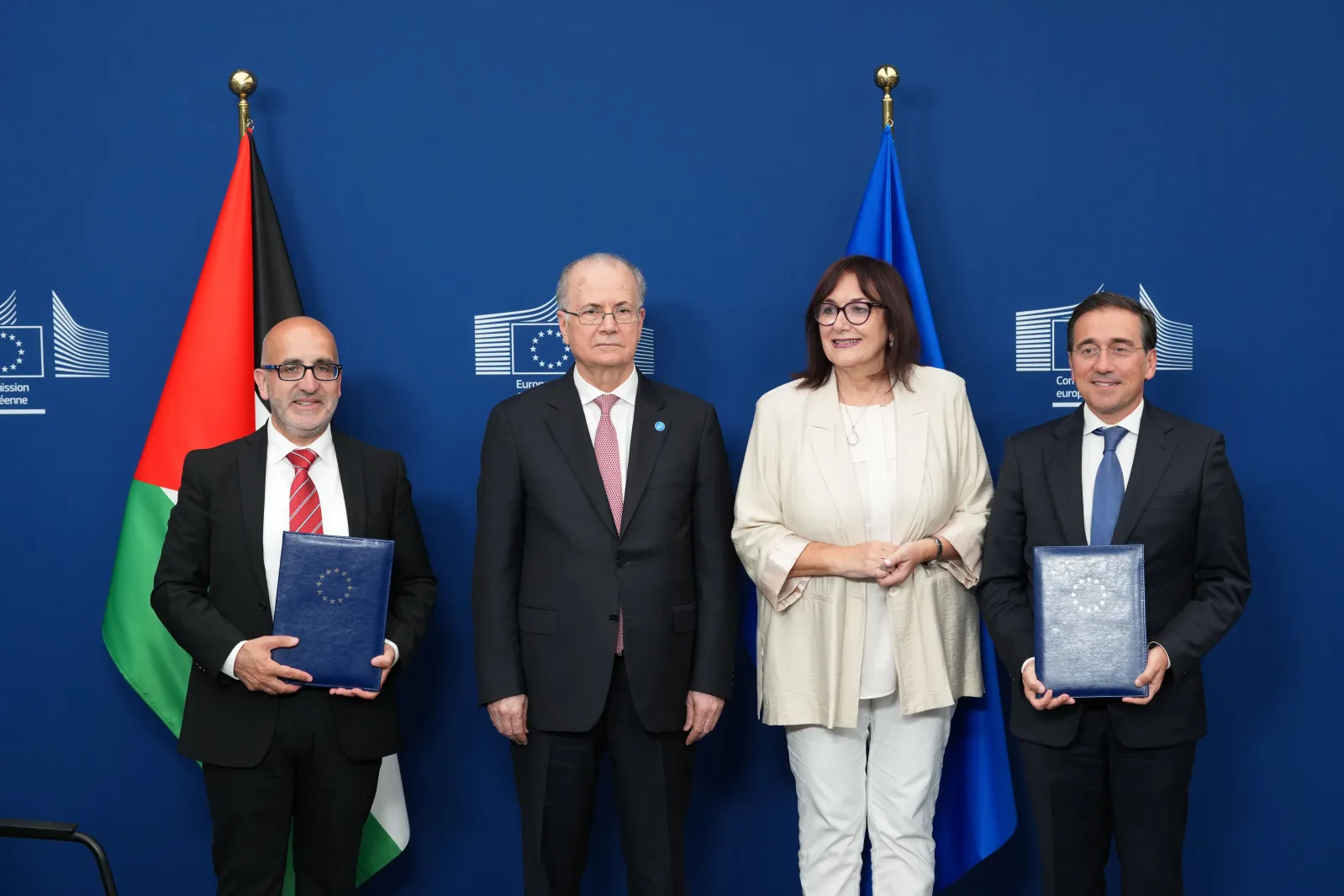
Attorneys for the plaintiffs said then that the families welcomed the decision, saying it would allow “justice to be done," according to The Times of Israel.
The latest dispute reached Sotomayor in late July after the PA and PLO asked the justices to temporarily block enforcement of the judgment while they pursue appeals. In court documents reviewed by Newsweek, the attorneys argue that the appeals court decision to reinstate the judgment after the case was dismissed “was the first time an American court has ever held that a money judgment made without jurisdiction may be resurrected years after all appeals were exhausted.”
The Palestinian entities argue that the judgment should not have been resurrected years after it was overturned, while the plaintiffs contend that they are finally receiving justice after decades of litigation. The defendants note in the application for stay that “immediate enforcement of such a large judgment will destabilize critical government services Petitioners provide in the West Bank, injure innocent citizens, and jeopardize regional security.”
In court filings, the Palestinian organizations said: “The security, sanitation, and school services provided by Petitioners in the West Bank are hanging by a thread,” and warned that enforcing the judgment would further strain those services. A World Bank report described the PA as being in “deep fiscal crisis” and that prior to this ruling, “the total deficit [before grants] amounted to US$605 million in the first nine months of 2025.”
The appeal filing stated: “Respondents plan to enforce the judgment against clearance revenues collected by Israel, which is the PA’s primary source of income under the Oslo Accords.” Israeli clearance revenues, taxes and customs duties collected by Israel on behalf of the PA, are a main source of funding for the Palestinian government. The suspension of those transfers since 2025 has worsened the PA's financial crisis.
Eugene Kontorovich, a law professor and executive director of George Mason University’s Center for the Middle East and International Law, told Newsweek in an email Tuesday: “The next step would be enforcing the judgment, which would be difficult to do in the United States because the PLO maintains very limited assets here, specifically to avoid having them seized to satisfy judgments by terror victims.”
However, he said that “a judgment in the United States can be taken abroad, including to Israel and enforced there.”
What Was the Second Intifada?
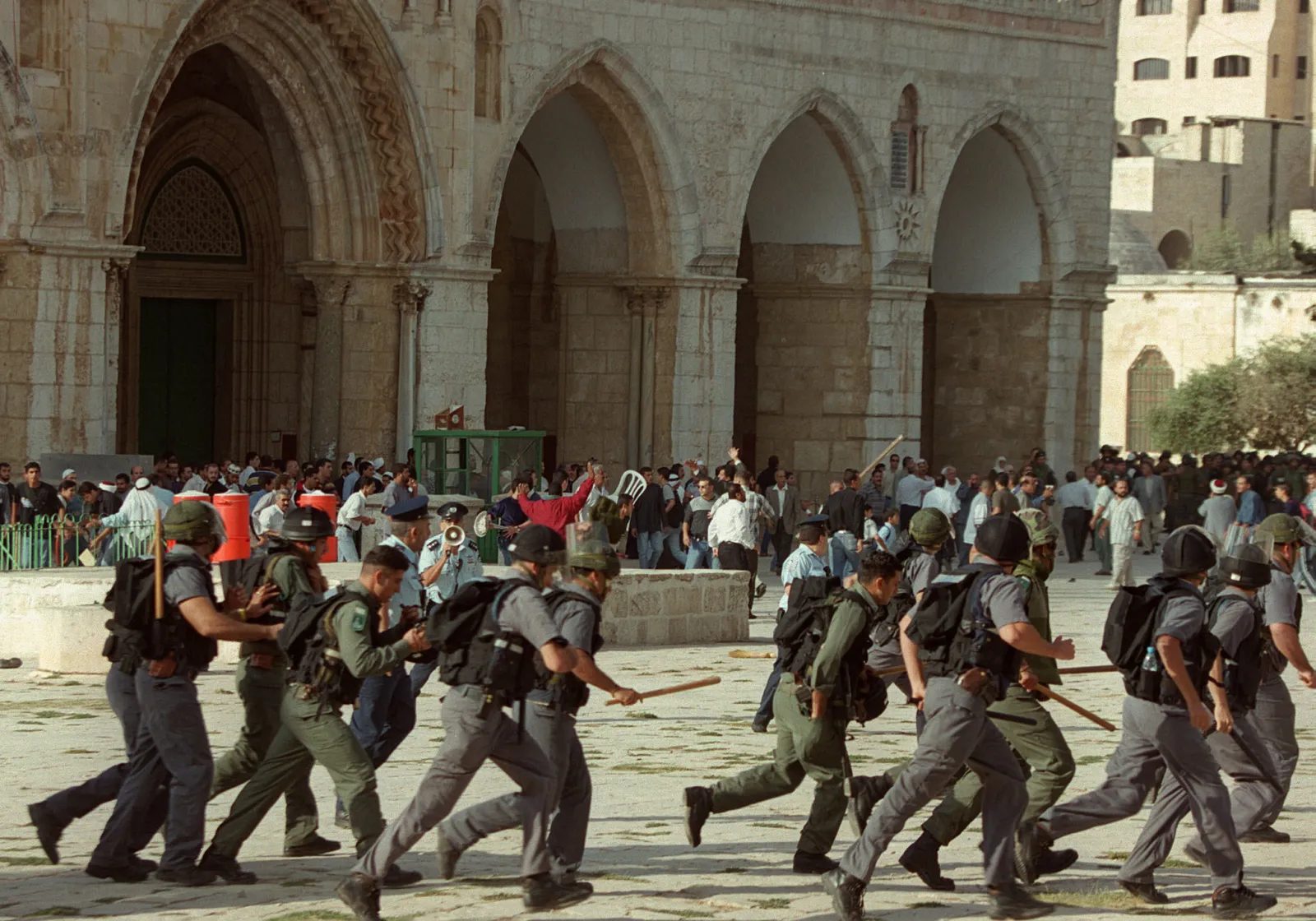
The Second Intifada, or Al-Aqsa Intifada, was a period of Palestinian uprising and intensified Israeli-Palestinian violence that started in September 2000 and continued for years.
The uprising followed years of failed peace negotiations and growing tensions between Israelis and Palestinians. Many consider it to have been triggered by a September 2000 visit by Israeli opposition leader Ariel Sharon, accompanied by hundreds of armed officers to the compound housing holy Islamic and Judaic sites. The visit was viewed by many Palestinians as a provocation, while Sharon and his supporters said it affirmed Israel's right of access to the site.
The Al-Aqsa Mosque and the surrounding Haram al-Sharif are among Islam's holiest sites, while Jews revere the same area as the Temple Mount, the location of the First and Second Holy Temples.
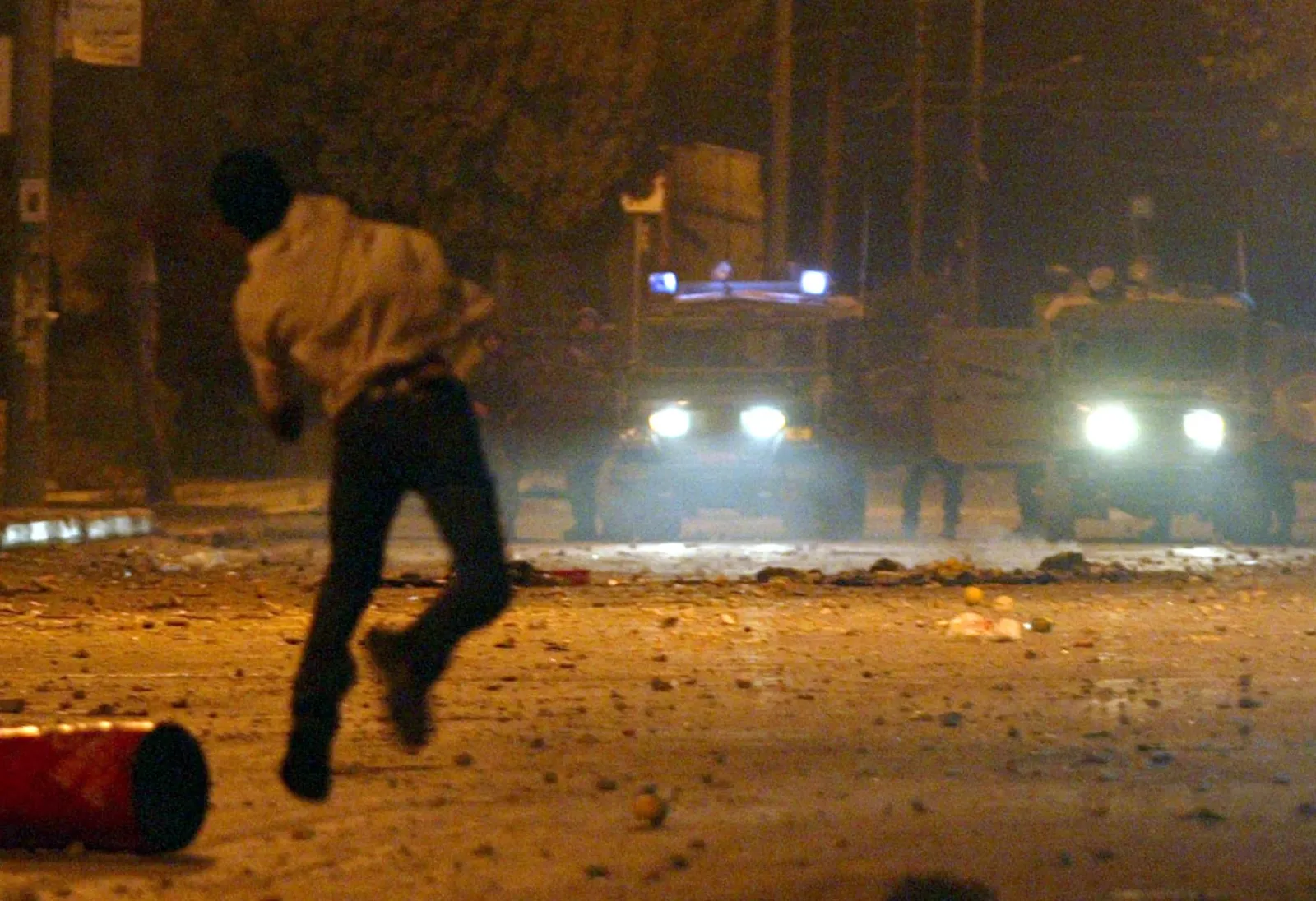
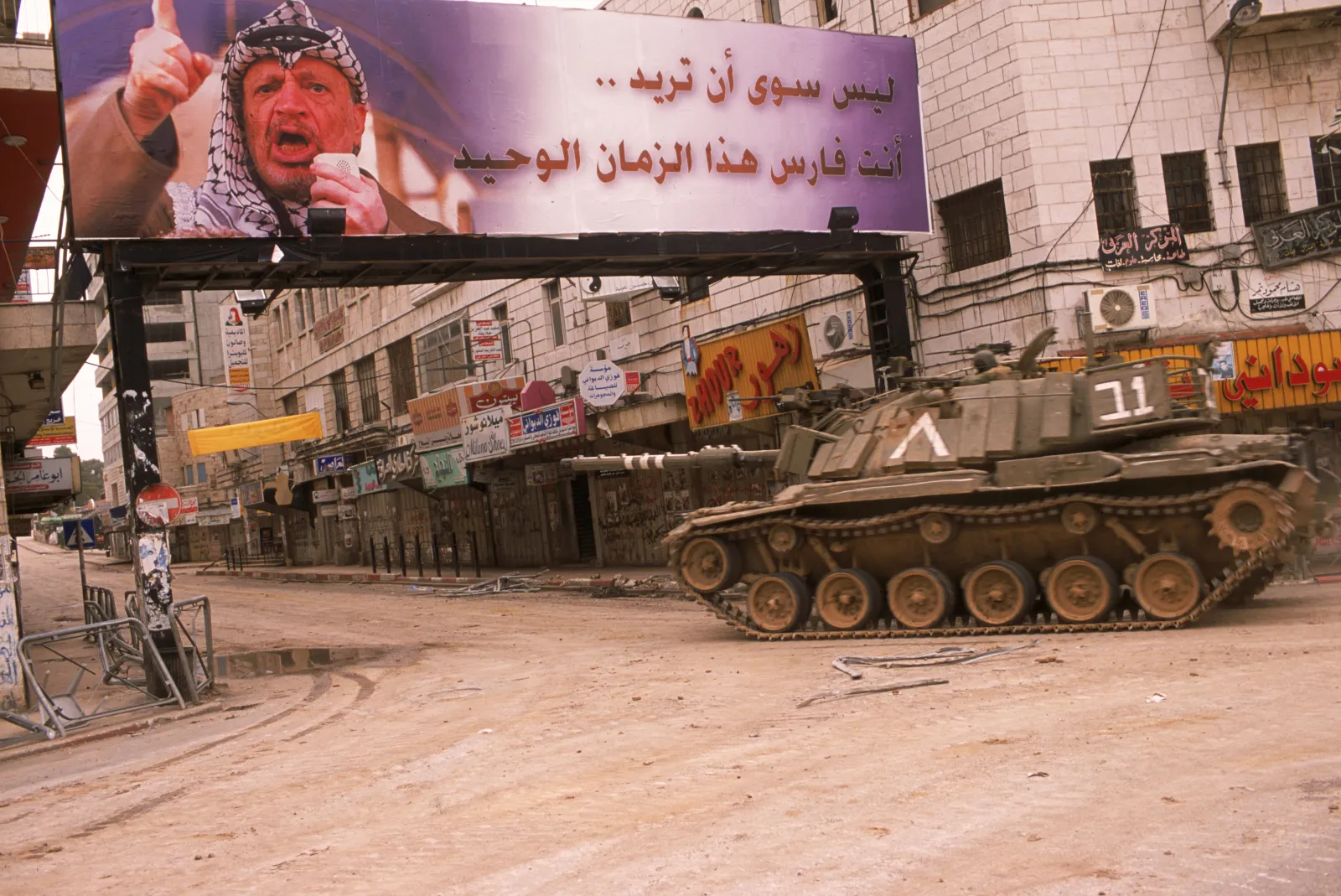
The period initially included protests, clashes and civil unrest, and then further evolved into a prolonged conflict marked by frequent violence on both sides. Israeli civilians were targeted in suicide bombings, shootings and other attacks carried out by Palestinian militant groups. Israeli military forces launched extensive operations in the West Bank and Gaza that Israel said were intended to combat terrorism and restore security.
More than 1,000 Israelis and 3,000 Palestinians were killed during the Second Intifada. It had lasting political and humanitarian consequences throughout the region. The 2005 Sharm el-Sheikh Summit produced a ceasefire agreement that is widely regarded as marking the end of the Second Intifada, although violence continued intermittently afterward.
Five Americans were killed in a 2002 bombing at Hebrew University in Jerusalem during the Second Intifada. Other attacks during the conflict, including suicide bombings and shootings, also killed and injured Americans.
Supreme Court Stay Process
When a party loses in a federal appeals court but wants to prevent the ruling from taking effect immediately, it can file an emergency application asking the U.S. Supreme Court for a stay, which temporarily freezes the decision while additional appeals move forward.
Such applications are initially directed to the justice responsible for the federal appeals court that heard the case. In this situation, as the case arose from the 2nd U.S. Circuit Court of Appeals, the request was assigned to Sotomayor, who handles emergency matters from that circuit.
Sotomayor's order addressed only the request to temporarily block enforcement of the judgment. It did not resolve the underlying legal dispute or indicate how the Supreme Court might rule if the justices later agree to hear the case.
Contact Newsweek editors on this story: Jason Lemon and Dave Siminoff.