 7 hours ago
15
7 hours ago
15
President Donald Trump said Tuesday that he was pausing 50 percent tariffs on Canadian imports for three days, saying the delay was based on a tentative agreement between the U.S. and Canada that still requires final documentation. The tariffs were scheduled to take effect Wednesday and would have applied to roughly $20 billion worth of Canadian goods, the Associated Press reports.
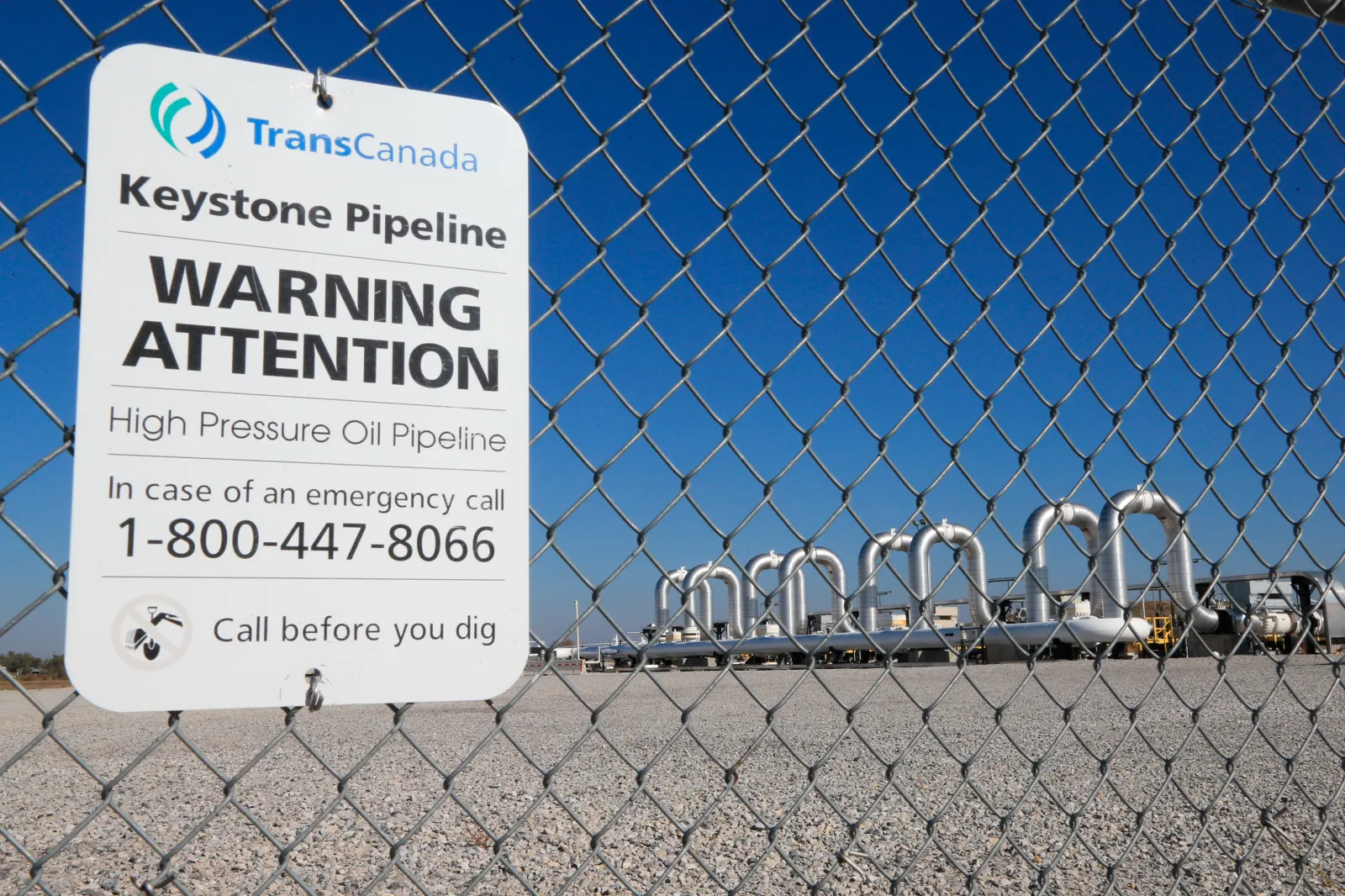
Trump also suggested the agreement could pave the way for a revival of the Keystone XL Pipeline, which was canceled under then-President Joe Biden in 2021. In his post, Trump said the pipeline “may be awoken from the grave." The potential revival would mark another effort by Trump to reverse Biden-era policies on the controversial pipeline, although the project’s future would likely remain subject to regulatory and development hurdles.
Canadian Prime Minister Mark Carney also took to social media and confirmed that the two countries had made progress in negotiations but stopped short of declaring a finalized deal, saying officials would continue to finalize the work.
Newsweek reached out to the White House via email on Tuesday night for comment.
What Is the Keystone XL Pipeline?
The Keystone XL Pipeline was one of the most controversial energy infrastructure projects in modern North American history, becoming a flashpoint in debates over climate change, energy security, jobs, Indigenous rights and U.S.-Canada relations.
Proposed in 2008 by TransCanada Corporation, now known as TC Energy, Keystone XL was intended to be an expansion of the existing Keystone Pipeline System, which already transported crude oil from Alberta, Canada, into the United States. The project would have added a new pipeline stretching from Hardisty, Alberta, to Steele City, Nebraska, where it would connect with existing pipelines running to refineries on the Gulf Coast, Canadian officials said. Supporters argued it would strengthen North American energy independence and create jobs, while opponents viewed it as a symbol of continued dependence on fossil fuels.
The pipeline was designed to carry up to 830,000 barrels of oil per day, the Canadian officials said. The project also raised concerns about possible spills along its route, particularly in environmentally sensitive areas such as Nebraska’s Sandhills region and the Ogallala Aquifer, one of the largest underground freshwater reserves in the United States.
Because the pipeline crossed an international border, it required a presidential permit from the U.S. government. This transformed what might otherwise have been a routine infrastructure project into a high-profile political battle. After years of review and delay, then-President Barack Obama rejected the project in November 2015.
The project received a dramatic revival after Trump took office in 2017. But in 2021, Biden revoked the pipeline’s cross-border permit on his first day in office.
What We Know About the Deal
The United States Trade Representative reacted to Trump's announcement, saying on X, "Congratulations Mr. President. The deal will include comprehensive market access for all American goods, economic security commitments, digital trade alignment, and many important provisions that will continue to protect our market and American workers, along with our Canadian partners."
This is a developing story that will be updated with additional information.
Contact Newsweek editors on this story: Edward T. Cummins.